




The Direct Answer: The best household items to experiment with for DIY hydroponic nutrients include Epsom salt (magnesium and sulfur), used aquarium water (nitrogen from fish waste), banana peel tea (potassium), and crushed eggshell water (calcium). However, it's important to understand that these household options work best as a fun science experiment rather than a complete replacement for balanced commercial hydroponic nutrients. They can help your kids learn why plants need specific elements, and that's where the real magic happens!
Why Do Hydroponic Plants Need Nutrients Anyway?
Here's the thing: when plants grow in soil, they pull nutrients from the earth around them. Soil is like a giant buffet of minerals that plants munch on over time. But in a hydroponic system, there's no soil, just water. That means you become the chef, and you need to serve up all the nutrients your plants need to thrive.
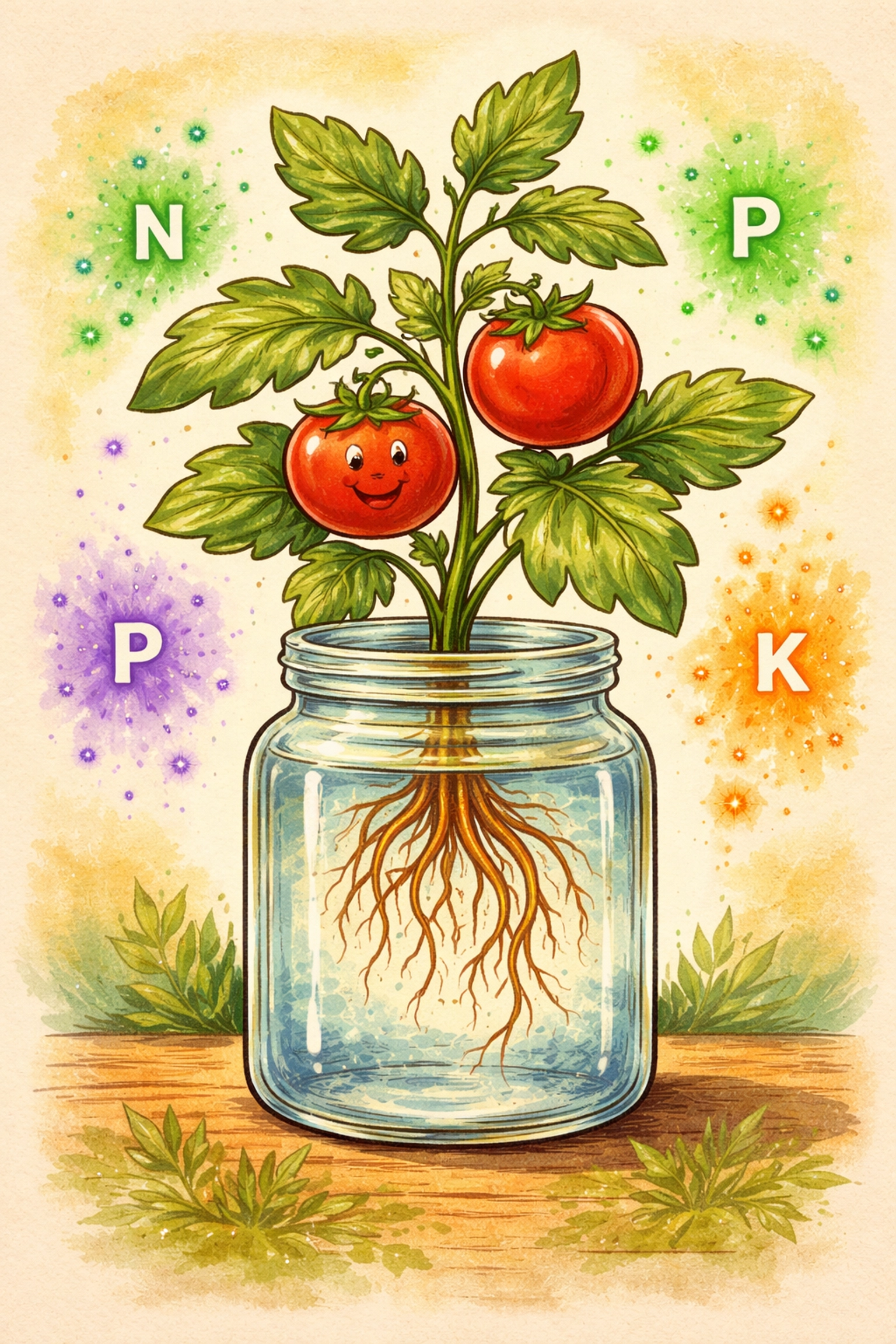
Plants require three main "macronutrients" to grow strong:
- Nitrogen (N) – For leafy, green growth
- Phosphorus (P) – For strong roots and flowers
- Potassium (K) – For overall plant health and disease resistance
They also need secondary nutrients like calcium, magnesium, and sulfur, plus tiny amounts of micronutrients like iron, zinc, and boron.
Commercial hydroponic nutrients are carefully formulated to dissolve completely in water and provide the exact ratios plants need. Household items? Not so much. But that doesn't mean we can't have some fun experimenting!
Household Items You Can Use (And What They Provide)
Think of this section as your "kitchen science" starting point. These items won't give your plants a perfectly balanced diet, but they will teach your kids about plant nutrition in a hands-on way.
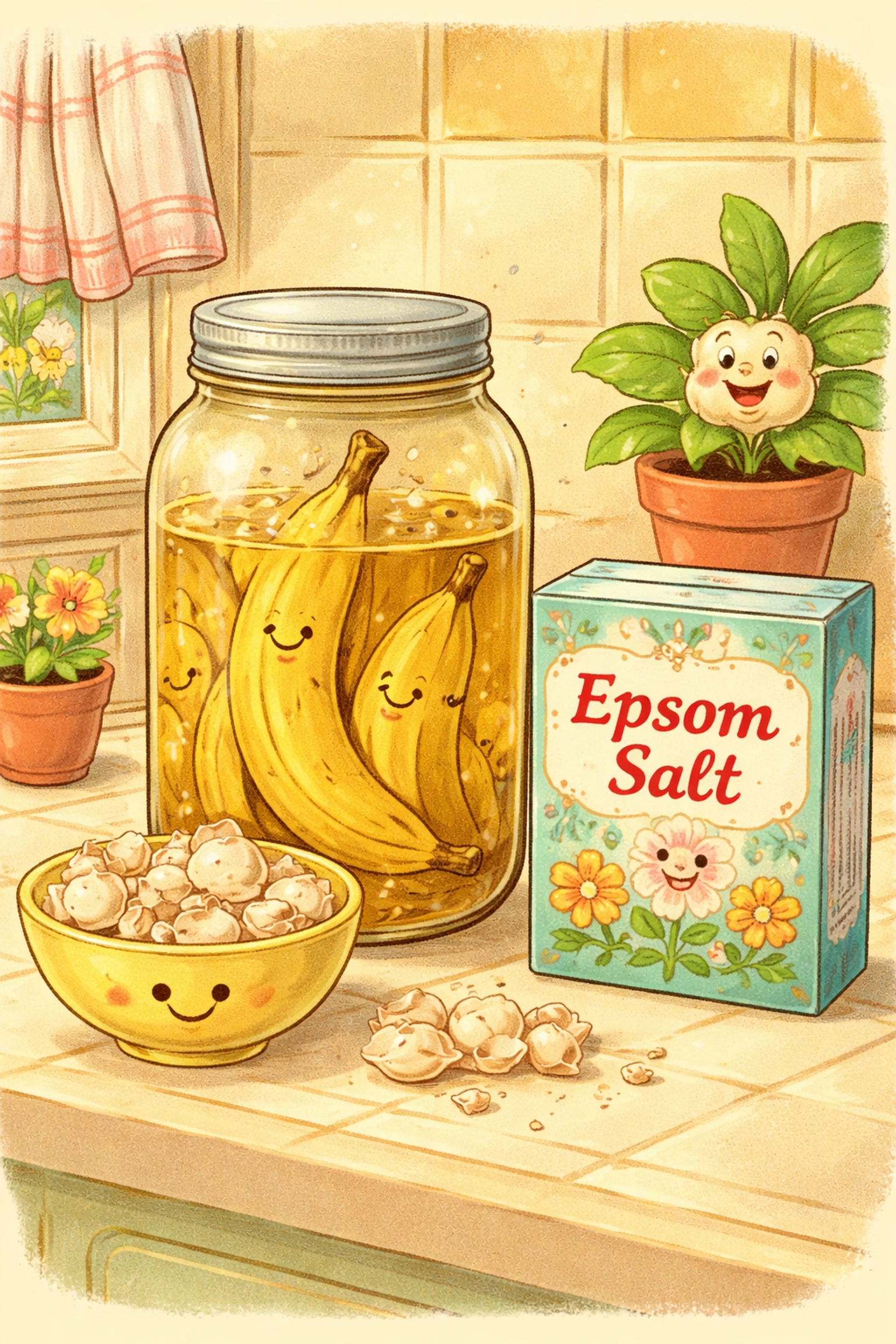
1. Epsom Salt (Magnesium Sulfate)
What it provides: Magnesium and Sulfur
Epsom salt is probably the most reliable household item for hydroponics. It dissolves completely in water (no gunk!) and provides magnesium, which helps plants produce chlorophyll, the green stuff that powers photosynthesis.
How to use it: Dissolve about 1 teaspoon per gallon of water.
2. Used Aquarium Water
What it provides: Nitrogen (primarily)
If you have a fish tank at home, you're sitting on liquid gold! Fish waste breaks down into nitrogen compounds that plants love. This is actually the basic principle behind aquaponics (growing plants with fish).
How to use it: Use it directly in your hydroponic reservoir instead of plain water. Just make sure you haven't recently treated the tank with any chemicals or medications.

3. Banana Peel Tea
What it provides: Potassium (and trace amounts of phosphorus)
Banana peels are rich in potassium, which helps plants build strong cell walls and resist disease. Making a "tea" from the peels can release some of these nutrients into water.
How to use it: Soak 2-3 banana peels in a quart of water for 48 hours. Strain out the solids and use the water in your system.
Important note: Banana peel tea can get a bit funky (hello, bacteria!), so use it quickly and don't let it sit around for days.
4. Crushed Eggshell Water
What it provides: Calcium
Calcium helps plants build strong cell structures. Eggshells are almost pure calcium carbite, but here's the catch, they don't dissolve well in plain water. You'll get some calcium, but not a ton.
How to use it: Crush eggshells into a fine powder, add to water, and let it sit for a week. Strain before using. For better results, some folks add a splash of white vinegar to help break down the shells (this creates a mild chemical reaction).
5. Unsulfured Molasses
What it provides: Potassium, calcium, magnesium, and iron (trace amounts)
Molasses is more commonly used in soil gardening to feed beneficial microbes, but it does contain minerals that can benefit plants. Use it very sparingly in hydroponics, too much can create a sticky mess and encourage unwanted bacterial growth.
How to use it: Add no more than 1 teaspoon per gallon of water.
Budget Table: Household Hydroponic Nutrients
| Item | Nutrients Provided | Estimated Cost | Difficulty |
|---|---|---|---|
| Epsom Salt (4 lb bag) | Magnesium, Sulfur | $4–$6 | Easy |
| Used Aquarium Water | Nitrogen | Free (if you have fish!) | Easy |
| Banana Peels | Potassium | Free (kitchen scraps) | Easy |
| Eggshells | Calcium | Free (kitchen scraps) | Moderate |
| Unsulfured Molasses | Potassium, trace minerals | $5–$8 | Easy |
Total potential cost: Under $10 (or completely free if you're raiding your kitchen!)
Step-by-Step: How to Make a Simple DIY Nutrient Mix
Ready to get your hands dirty (well, wet)? Here's a basic recipe to try with your kids. This is a great weekend science experiment!
Materials Needed:
- 1 gallon of water (filtered or dechlorinated tap water)
- 1 teaspoon Epsom salt
- 2-3 banana peels
- Crushed shells from 2-3 eggs
- A large jar or container
- A fine strainer or cheesecloth
Instructions:
Step 1: Start by soaking your banana peels in half the water (about 2 quarts) in a covered container. Let them sit for 24-48 hours.
Step 2: In a separate container, add your crushed eggshells to the remaining water. Let this sit for at least 3-5 days, giving it a shake once a day.
Step 3: After both "teas" have steeped, strain out all the solids using your strainer or cheesecloth. Combine the two liquids into one gallon container.
Step 4: Add 1 teaspoon of Epsom salt to your combined mixture and stir until completely dissolved.
Step 5: Use this mixture in your hydroponic system! Start with fast-growing, forgiving plants like lettuce or herbs.
Step 6: Observe your plants over the next 2-3 weeks. Are they growing? Are the leaves staying green? Take notes like a real scientist!
A Few Honest Words of Caution
We love a good DIY project here at Tierney Family Farms, but we also believe in keeping it real with you:
- Household nutrients are not complete. Your plants may show deficiencies over time (yellowing leaves, slow growth, etc.). That's actually a great learning opportunity to discuss what's missing.
- Ratios matter. Commercial nutrients are balanced for a reason. Homemade mixes can easily have too much of one thing and not enough of another.
- Organic matter can spoil. Banana peel tea and other homemade solutions can grow bacteria or mold. Change your reservoir water frequently and watch for funky smells.
- This is an experiment, not a guarantee. Approach this as a science lesson, not a promise of prize-winning tomatoes.
If you want to grow serious produce, we recommend starting with a basic commercial hydroponic nutrient solution and using these household experiments as educational side projects.
For more hydroponic adventures, check out our guide on How Much Space Do You Need for a Productive Hydroponic Garden? or explore regrowing kitchen scraps in our DIY Kitchen Scrap Regrow Garden post!
Frequently Asked Questions
Can I grow vegetables using only household nutrients?
You can try! Leafy greens like lettuce and spinach are the most forgiving. Fruiting plants like tomatoes or peppers need more balanced nutrition and may struggle with homemade mixes alone.
Is used coffee grounds good for hydroponics?
Coffee grounds are acidic and can throw off your water's pH. They also don't dissolve well. We recommend skipping them for hydroponic systems and saving them for soil gardens instead.
How often should I change my DIY nutrient water?
Every 5-7 days is a good rule of thumb, especially with homemade solutions that can spoil faster than commercial mixes.
Can I use tap water for hydroponics?
Yes, but let it sit out for 24 hours first to allow chlorine to evaporate. If your tap water is very hard (high in minerals), consider using filtered water.
Will my plants die if I only use household nutrients?
Not necessarily! They may grow more slowly or show some nutrient deficiencies, but many plants are surprisingly resilient. Think of it as a science experiment with real-time feedback.
Is Epsom salt safe for all plants?
Generally, yes. It's one of the safest household items to use in hydroponics because it dissolves completely and provides nutrients plants genuinely need.
Can I mix household nutrients with commercial nutrients?
You can, but be cautious about doubling up on certain elements (like magnesium). Start with half-strength commercial nutrients if you're supplementing with homemade solutions.
What's the best plant to start with for this experiment?
Lettuce, basil, or mint. They grow quickly, tolerate imperfect conditions, and give you fast feedback on whether your mix is working.
References
- University of Arizona Controlled Environment Agriculture Center – "Hydroponic Nutrient Solutions"
- Cornell University Cooperative Extension – "Nutrients for Greenhouse Crops"
- Resh, H.M. (2013). Hydroponic Food Production. CRC Press.
- USDA National Agricultural Library – "Plant Nutrient Requirements"