




A Three Sisters garden is a companion planting method developed by Indigenous peoples of North and Central America that grows corn, pole beans, and squash together in the same space. These three crops work as a team, corn provides a natural trellis for beans to climb, beans add nitrogen back into the soil, and squash spreads its big leaves across the ground to block weeds and hold in moisture. It's a brilliant example of plants helping each other grow, and it's been feeding families for thousands of years.
This project is a fantastic way to teach kids about history, science, and sustainable gardening all in one hands-on activity. Plus, it's incredibly budget-friendly!
The History Behind the Three Sisters
Long before grocery stores and modern farming equipment, Indigenous nations across North America, including the Haudenosaunee (Iroquois), Cherokee, and many others, developed this ingenious planting system. They observed that these three crops thrived when planted together, and the method was passed down through countless generations.
The name "Three Sisters" comes from the idea that corn, beans, and squash are like siblings who look out for each other. In many Indigenous traditions, these crops were considered sacred gifts and were often celebrated in ceremonies and stories.
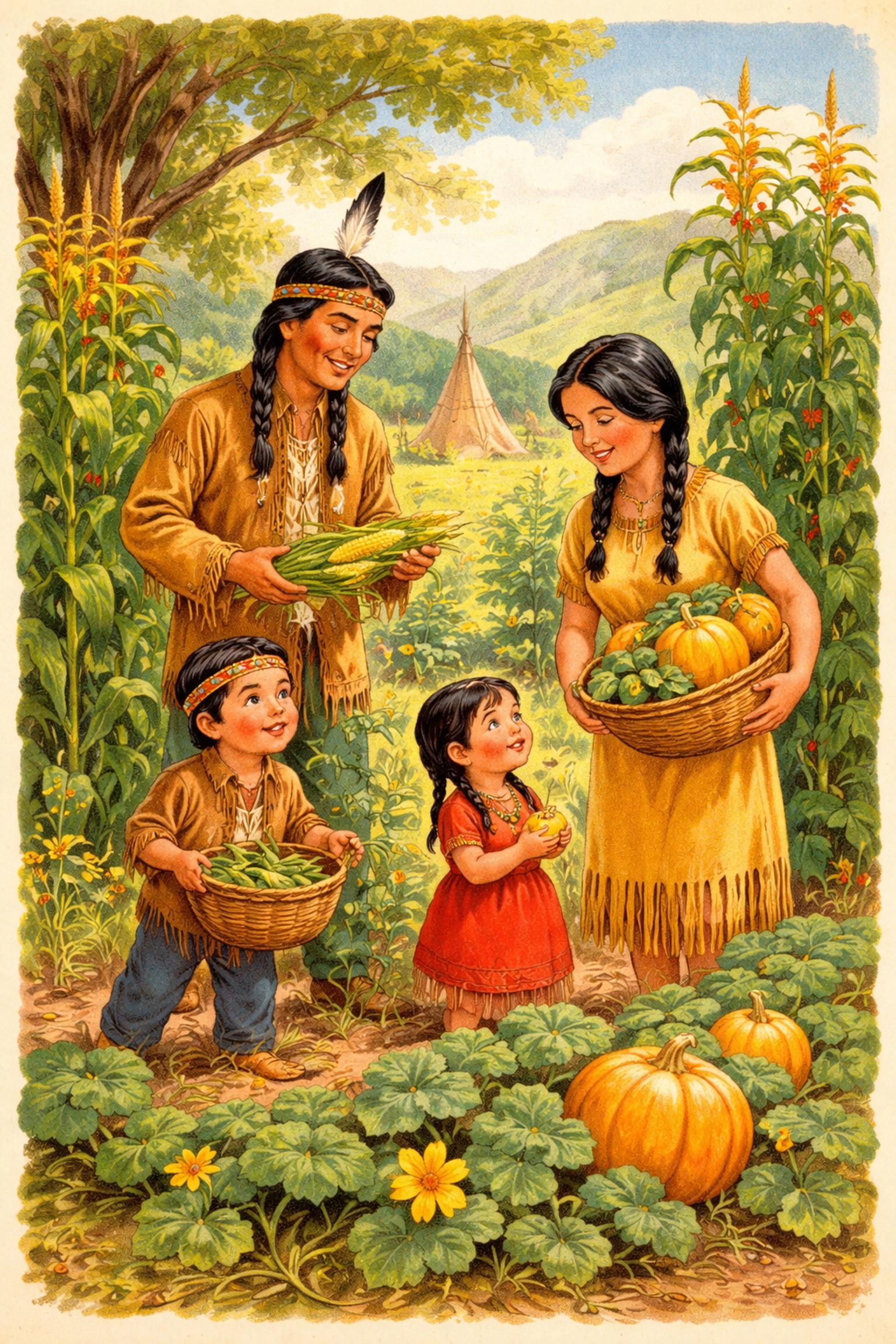
When European settlers arrived, they learned this technique from Indigenous farmers. It's one of the earliest examples of sustainable agriculture in the Americas, and it still works beautifully today!
The Science: Why Do These Three Plants Work So Well Together?
Here's where things get really cool for your little scientists. Each plant brings something special to the garden party:
🌽 Corn: The Strong Supporter
Corn grows tall and sturdy, creating a natural pole for bean vines to climb. Without corn, you'd need to build a trellis, but nature provides one for free!
🫘 Beans: The Soil Helper
Beans are part of the legume family, and they have a superpower: they can "fix" nitrogen from the air and add it to the soil through their roots. Nitrogen is like plant vitamins, it helps corn and squash grow bigger and healthier. This process happens thanks to tiny helpful bacteria that live on the bean roots.
🎃 Squash: The Ground Protector
Squash plants spread wide, low-growing leaves that act like a living mulch. These big leaves shade the soil, which keeps it cool and moist. They also block sunlight from reaching weed seeds, so fewer weeds pop up to compete with your crops. Some squash varieties even have prickly stems that can discourage pests!
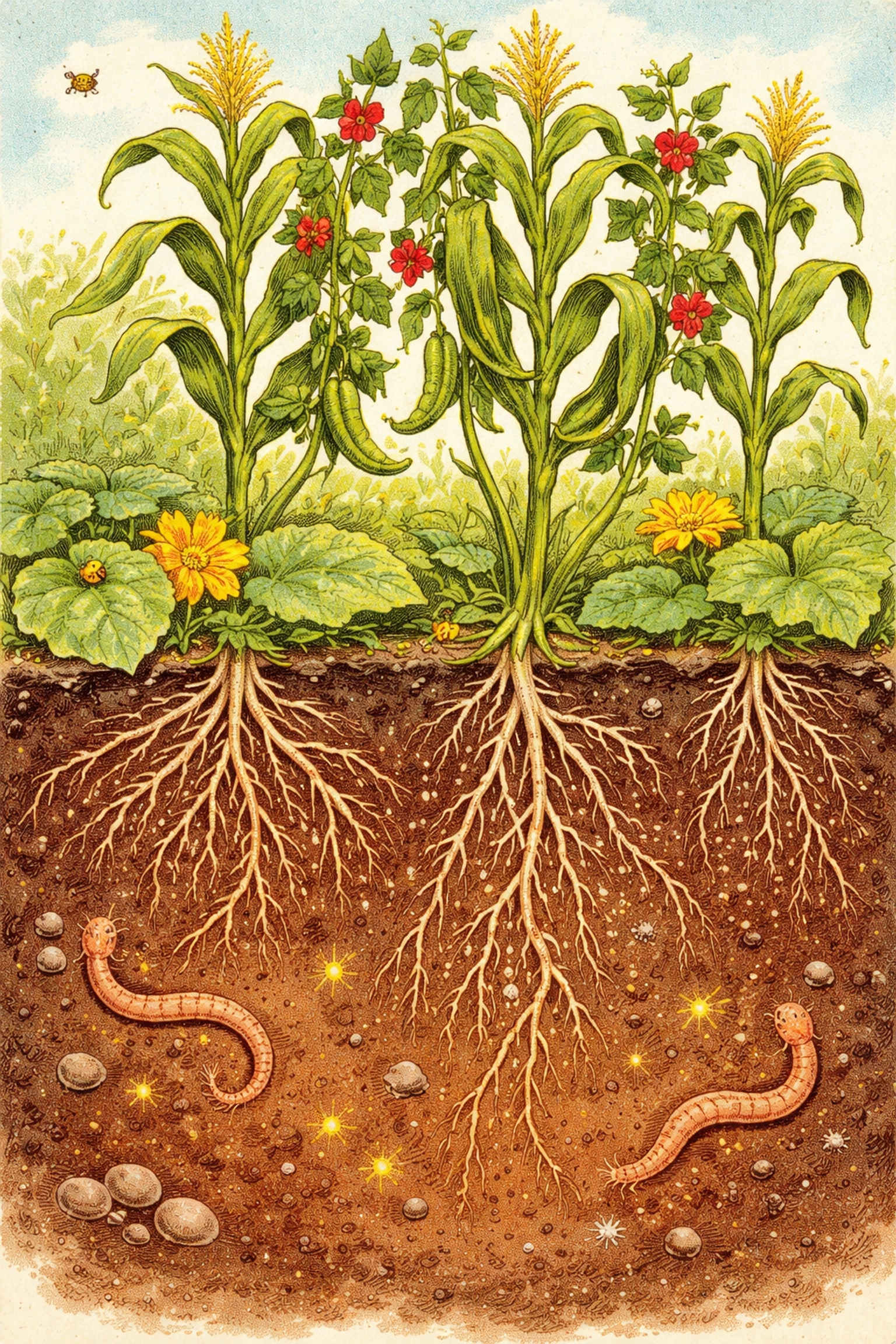
Below the surface, the roots work together too. Corn roots stay shallow, bean roots dig deeper, and squash roots fill in the gaps. This means they're not fighting over the same nutrients, they're sharing the space efficiently.
Scientists call this interspecific facilitation, which is a fancy way of saying "different species helping each other out."
Budget Breakdown: Growing a Three Sisters Garden for Under $10
One of our favorite things about this project? It's incredibly affordable. Here's a sample budget:
| Item | Estimated Cost | Notes |
|---|---|---|
| Corn seeds (packet) | $1.50 – $3.00 | Look for tall varieties |
| Pole bean seeds (packet) | $1.50 – $2.50 | Avoid bush beans, you need climbers! |
| Squash seeds (packet) | $1.50 – $3.00 | Winter squash or pumpkins work great |
| Compost or soil amendment | $0 – $3.00 | Optional; use homemade compost if you have it |
| Total | $4.50 – $11.50 |
Money-saving tips:
- Check dollar stores for seed packets in spring
- Save seeds from grocery store squash (butternut and acorn often work!)
- Ask neighbors or local gardening groups for seed swaps
- If you already have a worm composting bin, use that nutrient-rich compost for free!
Step-by-Step: How to Plant Your Own Three Sisters Garden
Ready to dig in? Here's how to create your own Three Sisters garden with the kids.
What You'll Need
- Corn seeds (a tall variety works best)
- Pole bean seeds (not bush beans!)
- Squash or pumpkin seeds
- A sunny garden spot (at least 6 hours of direct sunlight)
- Water source
- Optional: compost or aged manure
Step 1: Wait for Warm Weather
The Three Sisters are warm-season crops. Plant after your last frost date, when the soil has warmed up, usually late spring in most areas. Soil should be at least 60°F (15°C).
Step 2: Build Your Mounds
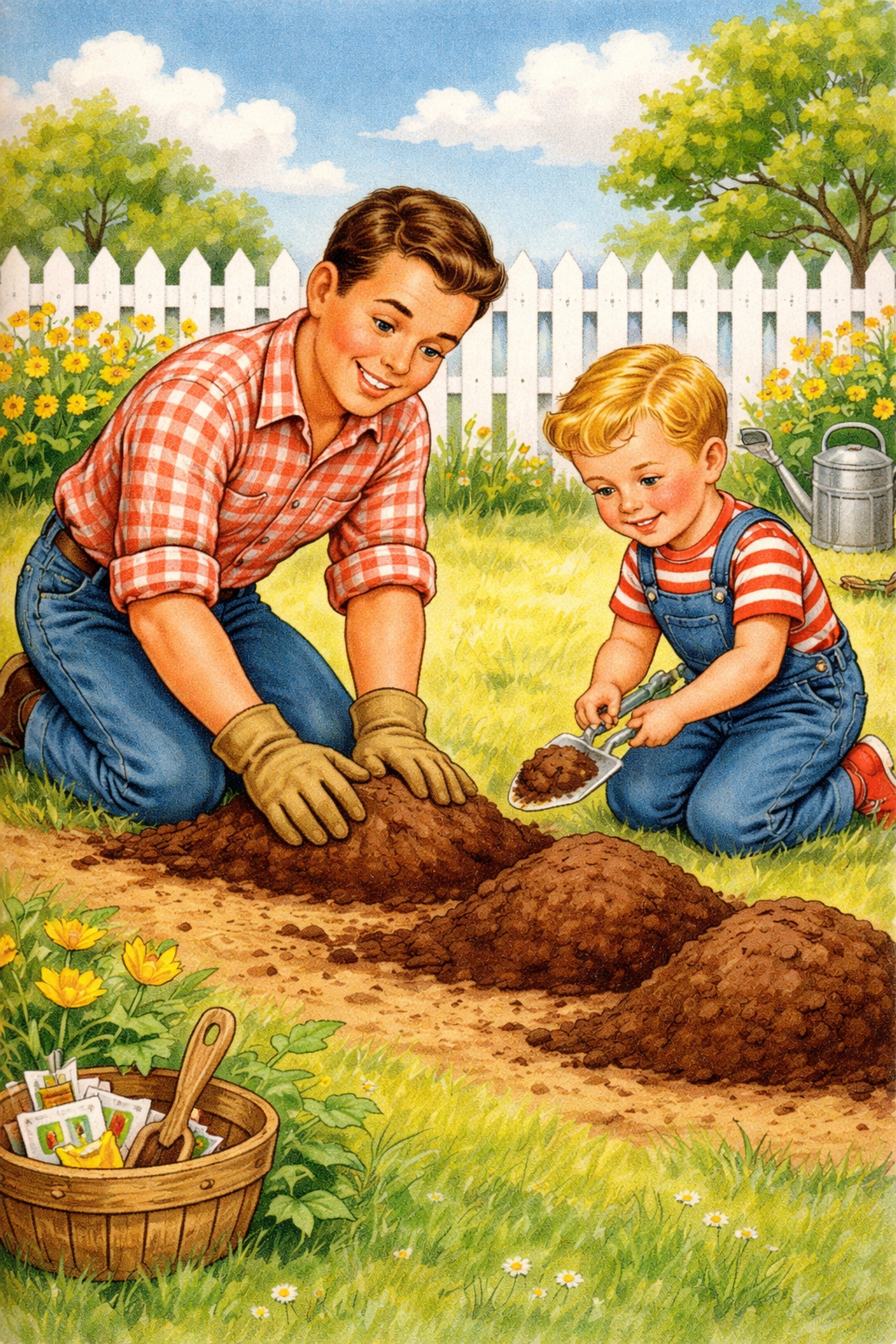
Create soil mounds about 12 inches high and 18–24 inches wide. Space mounds about 4 feet apart. If you're working with a small space, you can do just one or two mounds.
Why mounds? They warm up faster in spring, drain well, and give the roots room to spread.
Step 3: Plant the Corn First
In the center of each mound, plant 4–6 corn seeds in a small circle, about 6 inches apart. Push seeds about 1 inch deep into the soil.
Important: You need multiple corn plants for pollination! Corn is wind-pollinated, so planting in clusters helps ensure your ears develop properly.
Step 4: Wait for Corn to Sprout
Water gently and wait about 2 weeks. Let your corn grow to about 4–6 inches tall before moving to the next step. This gives it a head start so the beans don't overtake it.
Step 5: Add the Beans
Once corn is established, plant 4 bean seeds around the base of each corn cluster, about 3 inches away from the stalks. Push seeds about 1 inch deep.
The beans will find the corn and start climbing naturally, it's pretty magical to watch!
Step 6: Plant the Squash
About a week after planting beans, sow 2–3 squash seeds at the edge of each mound or in the spaces between mounds. Plant about 1 inch deep.
Give squash plenty of room to sprawl. Those vines can stretch 10 feet or more!
Step 7: Water and Watch
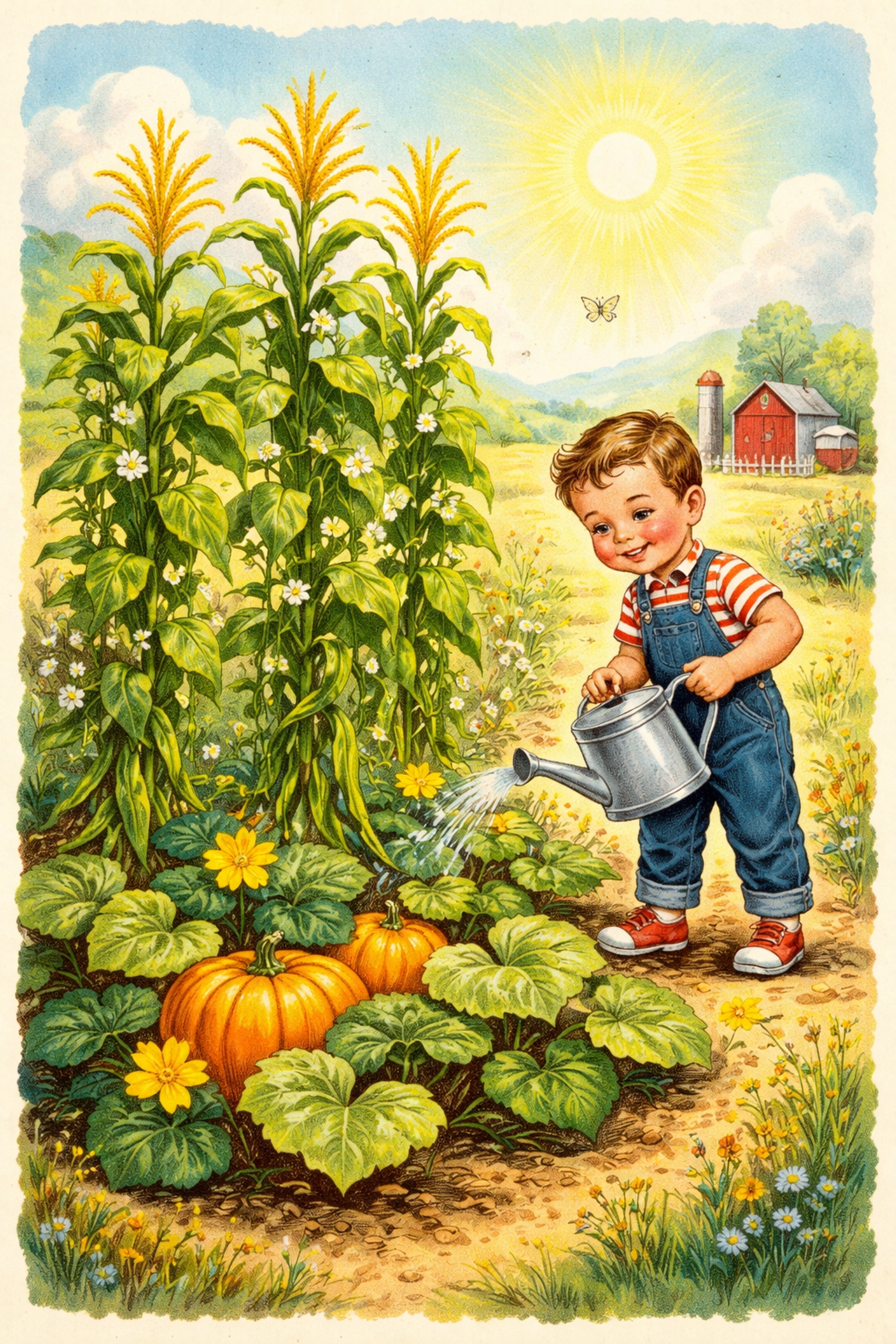
Keep the soil consistently moist but not soggy. Water at the base of plants rather than from above to help prevent disease.
Over the next few weeks, you'll see the three sisters start working together. It's a wonderful lesson in patience and observation for kids.
Tips for Three Sisters Success
Choose the right corn: Dent corn, flour corn, or popcorn varieties grow taller and sturdier than sweet corn. Sweet corn can work, but look for taller varieties.
Pick pole beans, not bush beans: Bush beans don't climb! Look for varieties labeled "pole" or "climbing."
Give squash room to roam: Winter squash (butternut, acorn, pumpkin) are traditional choices. Summer squash works too but may need more frequent harvesting.
Be patient: This garden takes time. Expect to harvest in late summer or early fall, depending on your climate.
Talk about it: Use this project as a springboard for conversations about Indigenous history, sustainable farming, and how ecosystems work. It's learning disguised as gardening!
Frequently Asked Questions
Can I grow a Three Sisters garden in containers?
It's tricky because these plants need a lot of space, but you can try a very large container (at least 20 gallons) with dwarf varieties. Results may vary.
What if my corn falls over?
This can happen if the corn isn't sturdy enough when beans start climbing. Make sure corn is at least 6 inches tall before adding beans, and consider hilling soil around the base for support.
Do I need to fertilize?
The beans help add nitrogen naturally! You can start with compost-enriched soil, but heavy fertilizing usually isn't necessary.
Can I use different types of squash?
Absolutely. Pumpkins, zucchini, butternut, and acorn squash all work. Traditional gardens often used winter squash because it stores well.
How much space do I need?
A single mound needs about 4 feet of space in all directions. For a true Three Sisters experience, plan for at least a 10×10 foot area with multiple mounds.
When do I harvest?
Corn is ready when the silks turn brown and the kernels are plump. Beans can be picked green or left to dry on the vine. Winter squash is ready when the skin is hard and the stem begins to dry.
Is this a good project for younger kids?
Yes! Planting seeds, watering, and watching the plants grow are all great activities for children of various ages. Older kids can help track growth and learn the science behind it.
What pests should I watch for?
Common culprits include squash bugs, cucumber beetles, and corn earworms. Encourage kids to check plants regularly: pest patrol can be part of the fun!
References
- Mt. Cuba Center. "Three Sisters Planting." https://mtcubacenter.org
- Cornell University Cooperative Extension. "The Three Sisters: Corn, Beans, and Squash."
- Smithsonian National Museum of the American Indian. "The Three Sisters."
- University of Illinois Extension. "Three Sisters Gardening."
- Native Seeds/SEARCH. "Growing the Three Sisters."
Ready for more hands-on garden projects? Check out our full library of DIY Kids Crafts for step-by-step activities the whole family can enjoy!