



Companion planting is the practice of growing certain plants next to each other because they help one another thrive. Think of it like finding the perfect desk buddy at school: some plants just work better together! One plant might keep pesky bugs away from its neighbor, while another adds nutrients to the soil that its friend needs to grow big and strong. When you plant the right combinations, your garden can become a happy, healthy community where everyone pitches in.
This is one of the oldest gardening tricks in the book, and it's a fantastic way to teach kids about teamwork, ecosystems, and the science of how plants interact. Best of all? You can start a companion garden for just a few dollars using seeds and containers you likely already have at home.
Why Do Plants Need "Best Friends"?
Plants can't talk, but they definitely communicate! They release chemicals into the air and soil, attract certain insects, and even share nutrients underground. When you understand these relationships, you can set your garden up for success.
Here's why companion planting works:
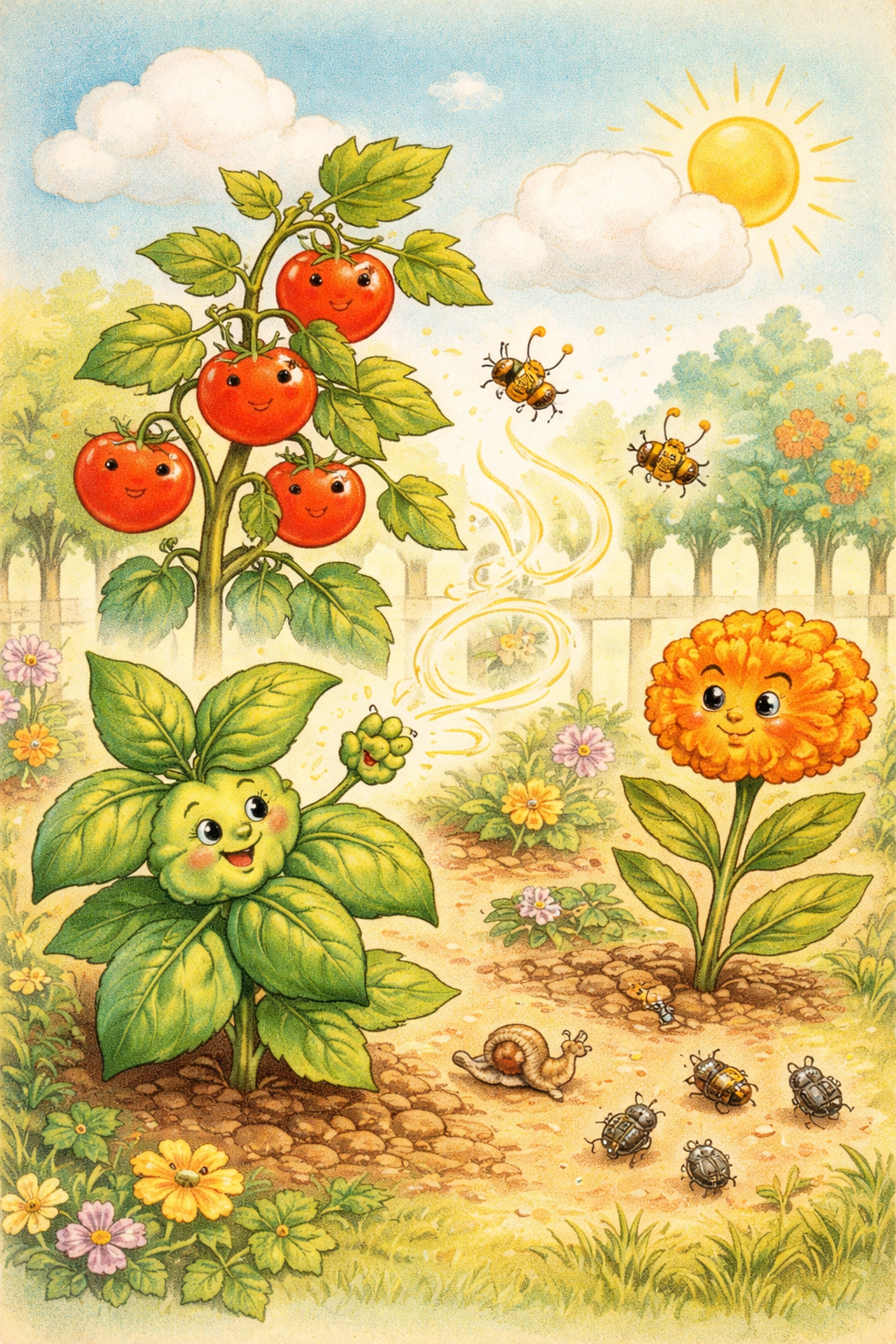
- Pest Patrol: Some plants have strong scents that confuse or repel harmful insects. Basil, for example, can help keep aphids and mosquitoes away from your tomatoes.
- Pollinator Party: Bright, fragrant flowers attract bees and butterflies, which help pollinate your vegetables so they produce more fruit.
- Nutrient Sharing: Certain plants, like beans and peas, pull nitrogen from the air and store it in their roots. When they break down, that nitrogen feeds nearby plants.
- Living Trellises: Tall, sturdy plants can provide physical support for climbing vines: no expensive stakes required!
- Shade & Shelter: Large leafy plants can shade the soil, keeping it cool and moist while blocking weeds from taking over.
The Most Famous Plant Friendship: The Three Sisters
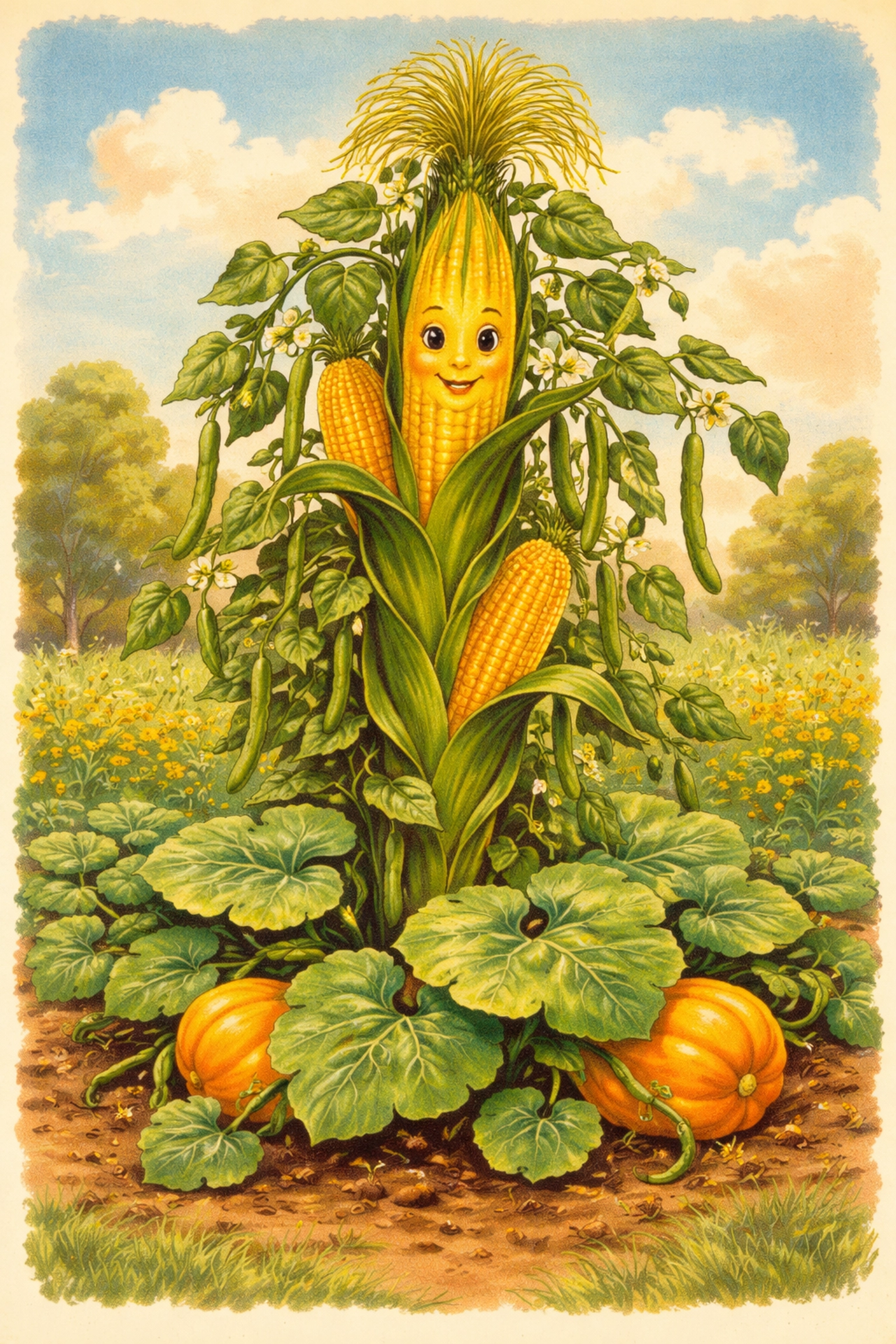
If companion planting had a Hall of Fame, the Three Sisters would be the first inductees. This planting method was developed by Native American communities centuries ago and is still one of the most effective companion combinations today.
The Three Sisters are:
- Corn – The tall stalks act as a natural trellis for the beans to climb.
- Beans – These legumes fix nitrogen in the soil, feeding the corn and squash.
- Squash – The big, prickly leaves spread across the ground, shading out weeds and deterring animals like raccoons.
Each sister has a job, and together they create a mini-ecosystem that's stronger than any single plant alone. It's a beautiful example of teamwork that kids can observe and understand firsthand.
Budget Breakdown: Start a Companion Garden for Under $10
One of the best things about companion planting is that it doesn't require fancy equipment. Here's a sample budget for creating a small "Best Friends Garden" with your kids:
| Item | Estimated Cost | Notes |
|---|---|---|
| Tomato seed packet | $1.50 | Look for cherry tomato varieties: kids love picking them! |
| Basil seed packet | $1.50 | The perfect companion for tomatoes |
| Marigold seed packet | $1.50 | Natural pest deterrent and adds cheerful color |
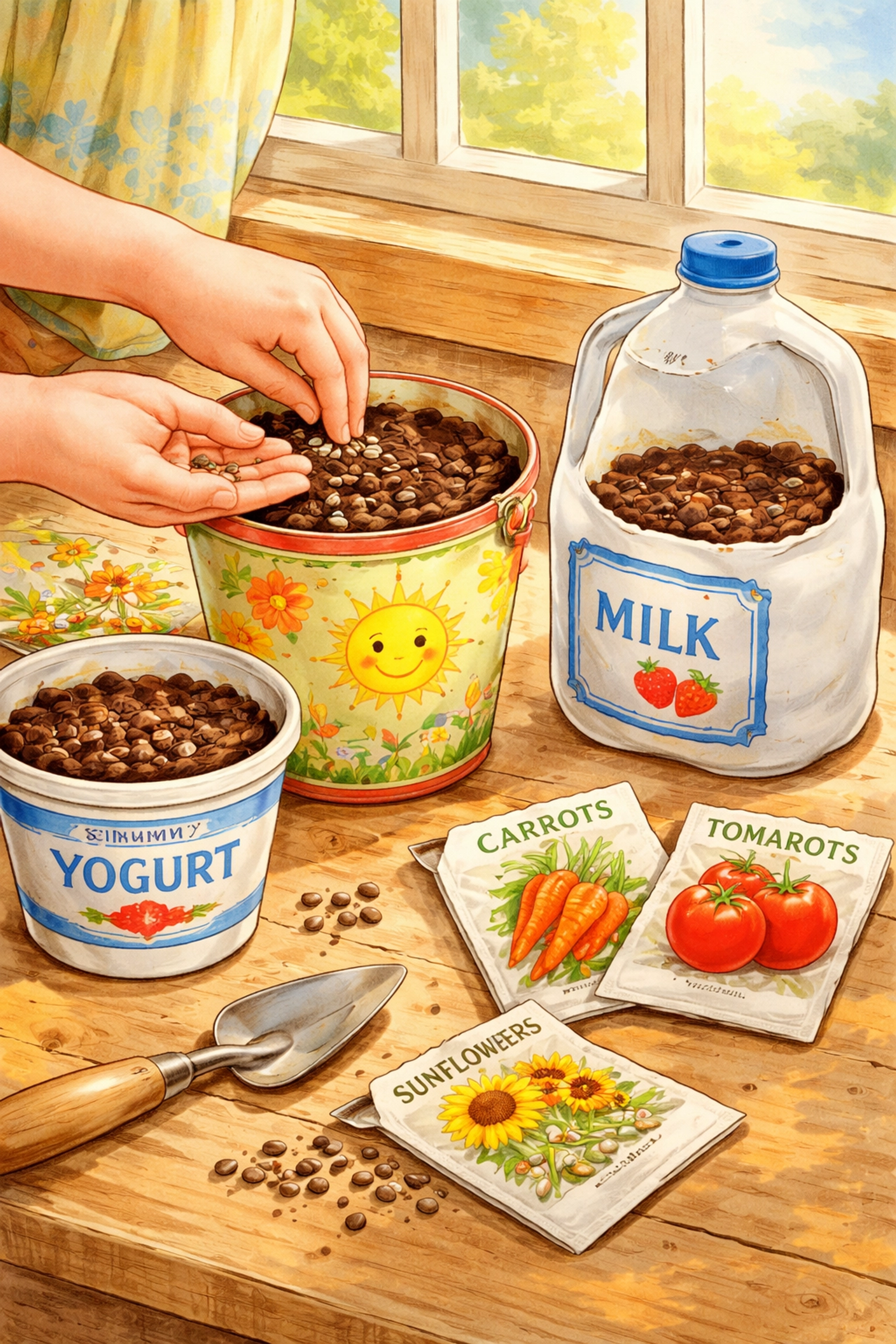
| Recycled containers (3) | $0.00 | Use old buckets, large yogurt tubs, or milk jugs |
| Potting soil (small bag) | $4.00 | Or mix compost with garden soil if available |
| Total | ~$8.50 |
Pro Tip: If you already have a small garden bed or some leftover soil, your cost drops even further. Many dollar stores also carry seed packets for $1 or less during planting season!
Step-by-Step: Plant Your Own "Best Friends Garden"
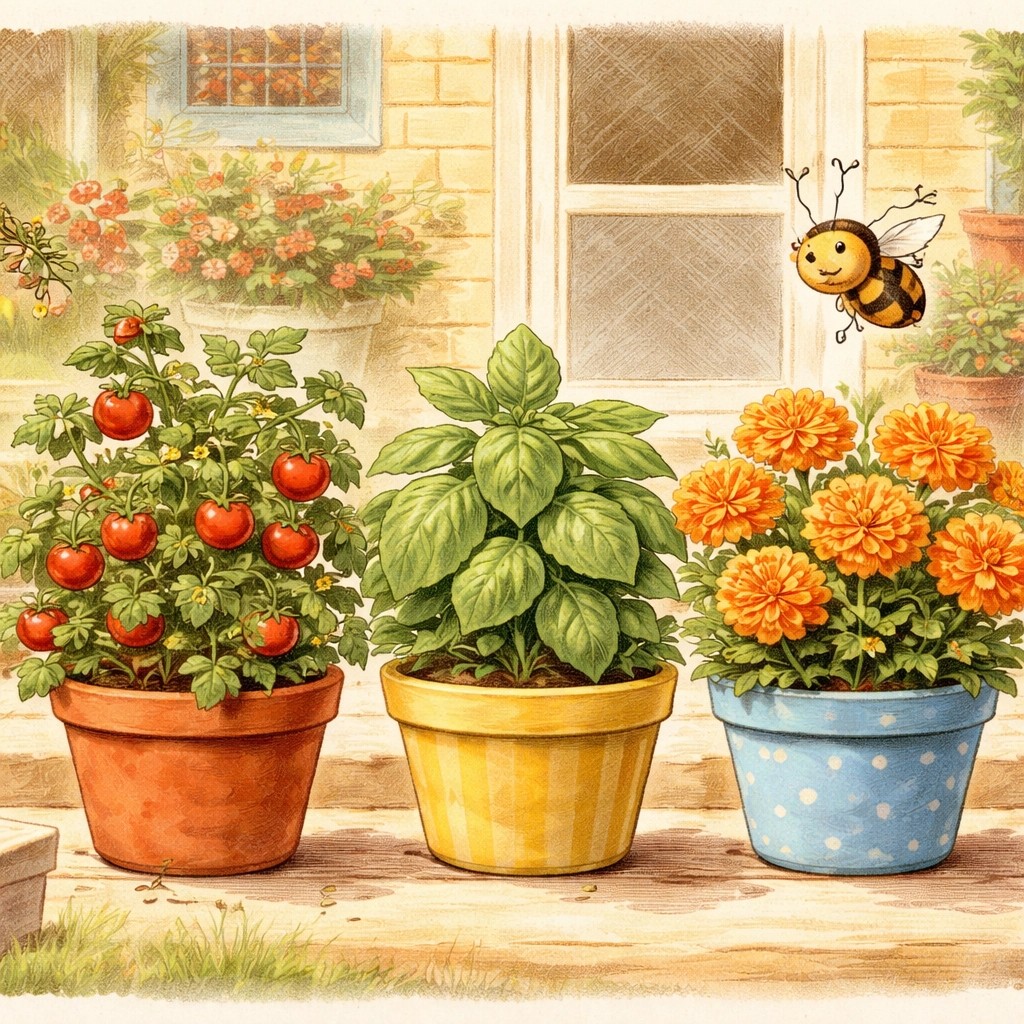
Ready to put companion planting into action? This beginner-friendly project focuses on the classic tomato-basil-marigold trio: a combination that's easy to grow and helps kids see companion planting benefits in real time.
Materials Needed
- 3 recycled containers (at least 8 inches deep) or one large planter/garden bed section
- Potting soil or garden soil mixed with compost
- Tomato seeds (or a small tomato seedling)
- Basil seeds
- Marigold seeds
- Watering can or spray bottle
- A sunny spot (6+ hours of sunlight daily)
Instructions
Step 1: Prepare Your Containers
Poke 4–5 drainage holes in the bottom of each recycled container using a screwdriver or scissors (adult help recommended). Fill each container with potting soil, leaving about an inch of space at the top.
Step 2: Plant the Tomato
In the largest container, plant 2–3 tomato seeds about ¼ inch deep in the center. If you're using a seedling, dig a small hole and gently place the plant inside, covering the roots with soil. Tomatoes like to be buried a bit deeper than other plants: it helps them grow stronger roots!
Step 3: Plant the Basil
In the second container (or about 6 inches away from the tomato in a shared bed), sprinkle 4–5 basil seeds on the surface and cover lightly with soil. Basil germinates quickly, so your kids will see sprouts within a week or two.
Step 4: Plant the Marigolds
In the third container (or around the outer edge of your garden bed), plant 3–4 marigold seeds about ¼ inch deep. Marigolds are tough little flowers that can handle a bit of neglect, making them perfect for young gardeners.
Step 5: Water Gently
Use a watering can or spray bottle to moisten the soil. You want it damp like a wrung-out sponge: not soggy. Water regularly, checking the soil every day or two.
Step 6: Place in a Sunny Spot
Set your containers in a location that receives at least 6 hours of direct sunlight. A south-facing porch, patio, or windowsill works great.
Step 7: Watch and Learn!
As your plants grow, observe how they interact. Does the basil seem to keep bugs away from the tomato? Do bees visit the marigolds? Keep a simple garden journal with your kids to track what you notice.
More Plant "Best Friends" to Try
Once your kids get the hang of companion planting, try experimenting with other winning combinations:
| Plant | Best Friend | Why They Work Together |
|---|---|---|
| Carrots | Onions | Onions repel carrot flies; carrots repel onion flies |
| Cucumbers | Sunflowers | Sunflowers attract pollinators and provide light shade |
| Lettuce | Chives | Chives deter aphids that love lettuce |
| Peppers | Spinach | Spinach shades the soil and keeps pepper roots cool |
| Corn | Beans | Beans fix nitrogen; corn provides a climbing structure |
| Radishes | Nasturtiums | Nasturtiums lure aphids away from radishes |
Plants to Keep Apart: Not all plants get along! Keep tomatoes away from cabbage family plants (broccoli, cauliflower, kale), and don't plant beans near onions or garlic: they tend to stunt each other's growth.
Frequently Asked Questions
Q: What age is companion planting appropriate for?
A: Kids as young as 3–4 can help with planting seeds and watering. Older children (ages 7+) can start learning the "why" behind each pairing and even design their own companion garden layouts.
Q: Can I do companion planting in containers?
A: Absolutely! Container gardening works wonderfully for companion planting. Just make sure each container is large enough for the plants you're pairing, or group several smaller containers together.
Q: How close should companion plants be to each other?
A: Generally, companion plants should be within 1–3 feet of each other to benefit from pest-repelling scents and shared pollinators. Check seed packet spacing recommendations for specific plants.
Q: Does companion planting really work?
A: Many companion planting benefits are supported by scientific studies, while others come from centuries of traditional gardening knowledge. Results can vary based on your climate, soil, and local pest populations, so it's always a good idea to experiment and observe.
Q: What's the easiest companion planting combination for beginners?
A: Tomatoes and basil! They're both easy to grow, thrive in similar conditions, and the combination is well-documented for pest control benefits.
Q: Can companion planting replace pesticides?
A: Companion planting can significantly reduce pest problems, but it may not eliminate them entirely. It's best used as part of an integrated approach that includes healthy soil, proper watering, and hand-picking pests when needed.
Q: Where can I find more DIY gardening projects for kids?
A: We have a growing library of hands-on projects! Check out our Kids Crafts section for more budget-friendly STEAM and gardening activities, including how to regrow vegetables from kitchen scraps.
References
- Wikipedia. "Companion Planting." Accessed January 2026.
- Old Farmer's Almanac. "Companion Planting Guide."
- Cornell University Cooperative Extension. "The Three Sisters: Corn, Beans, and Squash."
- University of Florida IFAS Extension. "Companion Planting in the Home Garden."