



Quick Answers for Busy Parents
What is indoor gardening for kids?
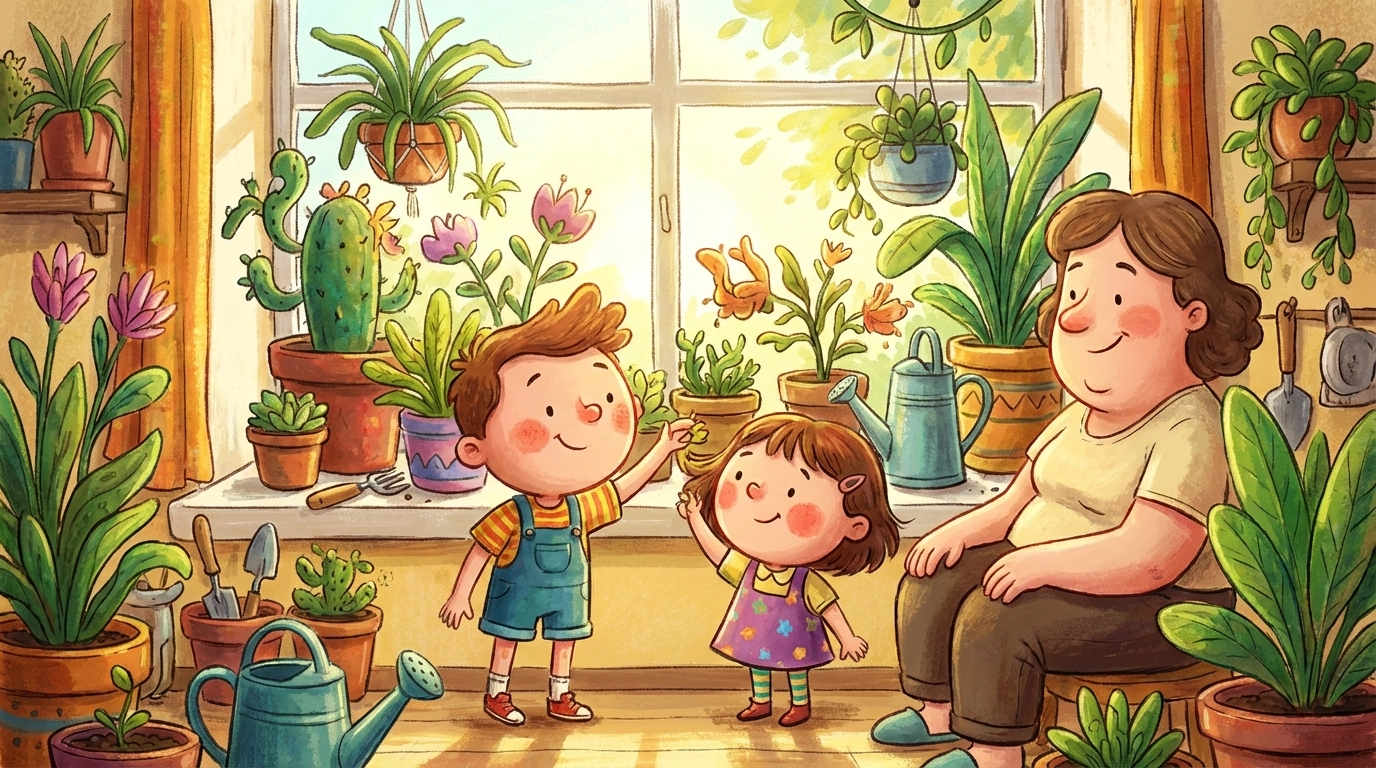
Indoor gardening for kids is a hands-on learning activity where children grow plants inside your home, on windowsills, countertops, or anywhere with decent light. It teaches responsibility, patience, and basic science while giving kids something living to care for.
What age is this appropriate for?
Ages 3–12+. Younger kids (3–5) can help with watering and watching. Kids 6–9 can plant seeds and track growth. Older kids (10+) can manage entire projects independently.
How much does it cost to start?
$0–$25 depending on what you already have at home. Many families start with upcycled containers, kitchen scraps, and seeds from fruits they've eaten, totally free. A basic starter kit with pots, soil, and seed packets runs about $10–$25.
How long until we see results?
Most kid-friendly seeds sprout within 5–14 days. Fast growers like beans, radishes, and lettuce show visible progress quickly enough to keep little ones engaged.
Why Indoor Gardening Is Perfect for Families
Here's the truth: kids learn best when they can touch, see, and do. Indoor gardening checks all three boxes.
When your child plants a seed, waters it daily, and watches that first tiny sprout push through the soil, they're not just growing a plant. They're learning cause and effect. They're building patience. They're taking ownership of something alive.
And unlike outdoor gardens that depend on seasons and weather, indoor gardens work year-round. January snowstorm? No problem. Your windowsill herb garden doesn't care.
Indoor gardening also opens the door to conversations about food security, where our food comes from, and why growing your own matters. These are lessons that stick.
What You'll Need to Get Started
Good news: you probably have most of this stuff already. Here's your basic supply list:
Essential Supplies
| Item | Cost Range | Notes |
|---|---|---|
| Containers/pots | $0–$10 | Upcycle yogurt cups, egg cartons, or mason jars |
| Potting soil or seed-starting mix | $5–$10 | Avoid outdoor garden soil, it's too heavy |
| Seeds | $1–$5 | Start with fast-growing, forgiving varieties |
| Watering can or spray bottle | $0–$5 | A clean spray bottle works great for seedlings |
| Sunny spot | Free | South or west-facing windows are ideal |
| Plant markers | $0–$3 | Popsicle sticks work perfectly |
Optional But Helpful
- Small grow light ($15–$30) if your windows don't get much sun
- Plastic wrap or a clear lid to create humidity for germinating seeds
- Kid-sized gardening gloves
- A simple chart to track watering and growth
Step-by-Step: Your First Indoor Garden with Kids
Follow these simple steps and you'll have seeds in soil within 15 minutes.
Step 1: Choose Your Containers
Raid your recycling bin first. Yogurt cups, plastic takeout containers, and tin cans all work. Just poke a few drainage holes in the bottom using a nail or scissors (adult job).
If you want something sturdier, small terracotta pots or plastic nursery pots from the garden center cost just a few dollars.
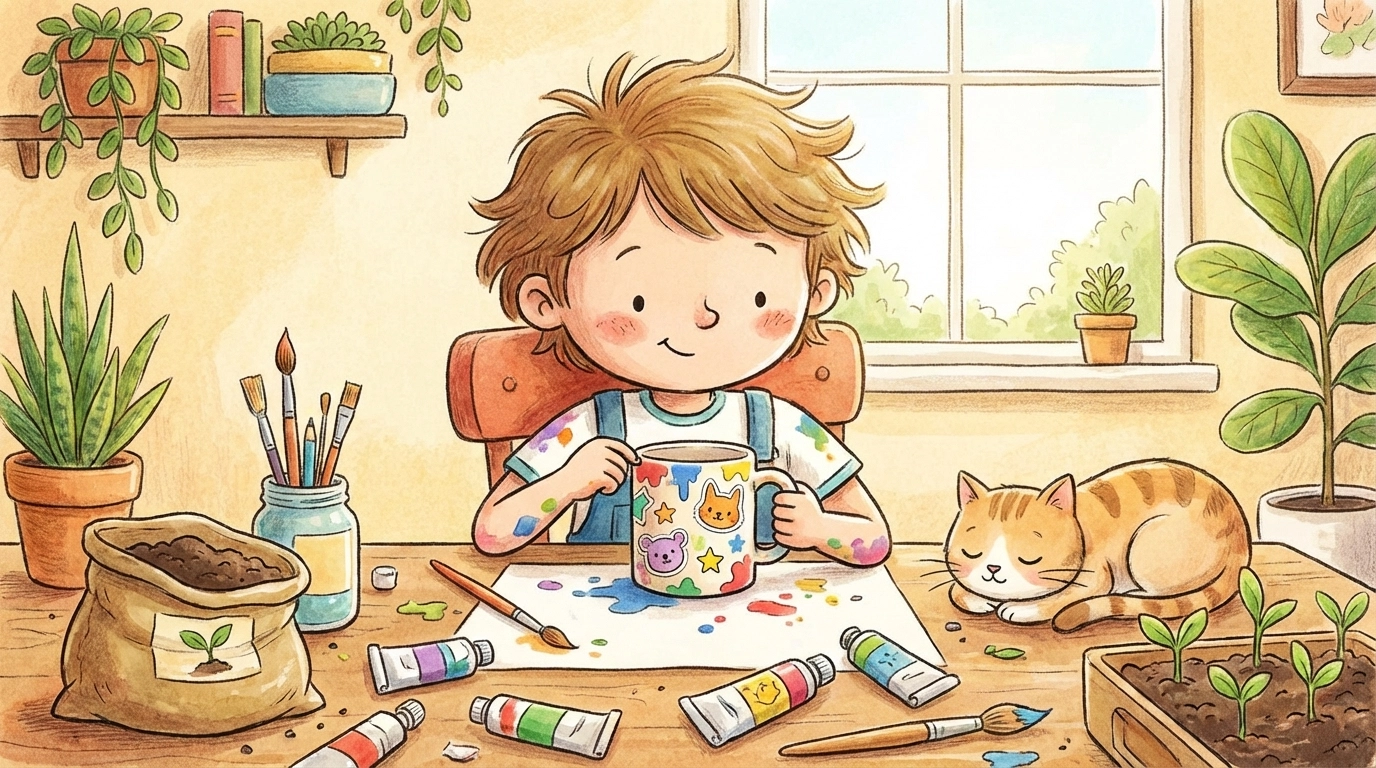
Pro tip: Let kids decorate their containers with paint or stickers before planting. This builds ownership and makes them more excited to care for their plants.
Step 2: Prepare Your Soil
Pour seed-starting mix or potting soil into a large bowl. Sprinkle water over it and mix with your hands until it feels like a wrung-out sponge, damp but not dripping.
This step is messy and kids love it. Lay down newspaper or do it outside if you want to save your kitchen table.
Step 3: Fill Your Containers
Scoop the moistened soil into your containers, filling them almost to the top. Gently press down to remove air pockets, but don't pack it tight. Roots need room to breathe.
Step 4: Plant Your Seeds
Here's where the magic happens.
- Make a small hole with your finger (about twice as deep as the seed is wide)
- Drop 2–3 seeds into each hole
- Cover lightly with soil
- Mist the surface with water
For tiny seeds like basil or lettuce, just sprinkle them on top of the soil and press gently. They need light to germinate.
Step 5: Create a Mini Greenhouse
Cover your containers with plastic wrap or a clear plastic lid. This traps humidity and warmth, which seeds love.
Place your containers in a warm spot. The top of the refrigerator works surprisingly well. Seeds don't need light until they sprout, they need warmth.
Step 6: Watch, Wait, and Water
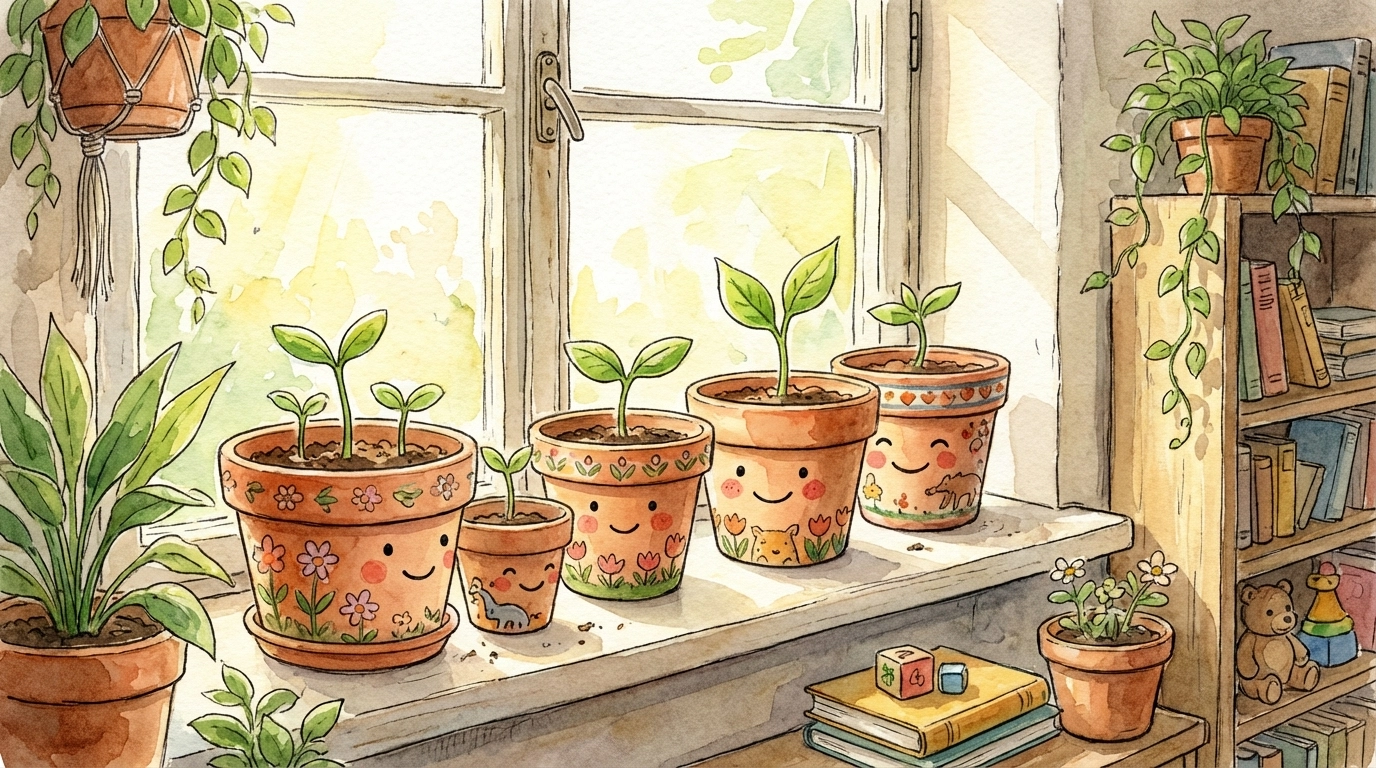
Check daily. Once you see green poking through the soil (usually 5–14 days), remove the plastic covering and move your containers to a sunny window.
Keep the soil consistently moist but not soggy. Overwatering is the number one killer of seedlings. When in doubt, stick your finger an inch into the soil. If it's dry, water. If it's damp, wait.
Best Plants for Kids to Grow Indoors
Not all plants are created equal when it comes to kid-friendly growing. You want fast, forgiving, and hard to kill.
Top Picks for Beginners
Herbs
- Basil (sprouts in 5–10 days, smells amazing)
- Chives (almost impossible to kill)
- Mint (grows like crazy, keep it contained)
- Parsley (a little slower but very forgiving)
Leafy Greens
- Lettuce (harvest in 3–4 weeks)
- Spinach (quick and nutritious)
- Microgreens (ready in 7–14 days, instant gratification)
Fun Experiments
- Bean seeds (classic for a reason, fast and dramatic)
- Radishes (one of the fastest root vegetables)
- Green onions from kitchen scraps (regrows in water on your windowsill)
Plants to Avoid Starting With
Skip orchids, citrus trees, and anything labeled "advanced" or "slow-growing" for your first project. You want quick wins to build confidence and momentum.
Setting Up for Success
A few simple habits make the difference between thriving plants and sad, wilted ones.
Light
Most edible plants need 6–8 hours of light daily. South-facing windows are ideal. If your home is dark, a basic LED grow light for $15–$20 makes a huge difference.
Water
Consistency matters more than quantity. Check soil moisture daily and water when the top inch feels dry. Use room-temperature water, cold water shocks roots.
Temperature
Most indoor plants are comfortable where you're comfortable: 65–75°F. Keep seedlings away from drafty windows and heating vents.
The Chore Chart Trick
Create a simple tracking chart with your kids. Include columns for:
- Date
- Did we water? (yes/no)
- What do we notice?
This builds responsibility and turns observation into a habit. Plus, it's a great reference if something goes wrong later.
Simple First Project: Windowsill Herb Garden
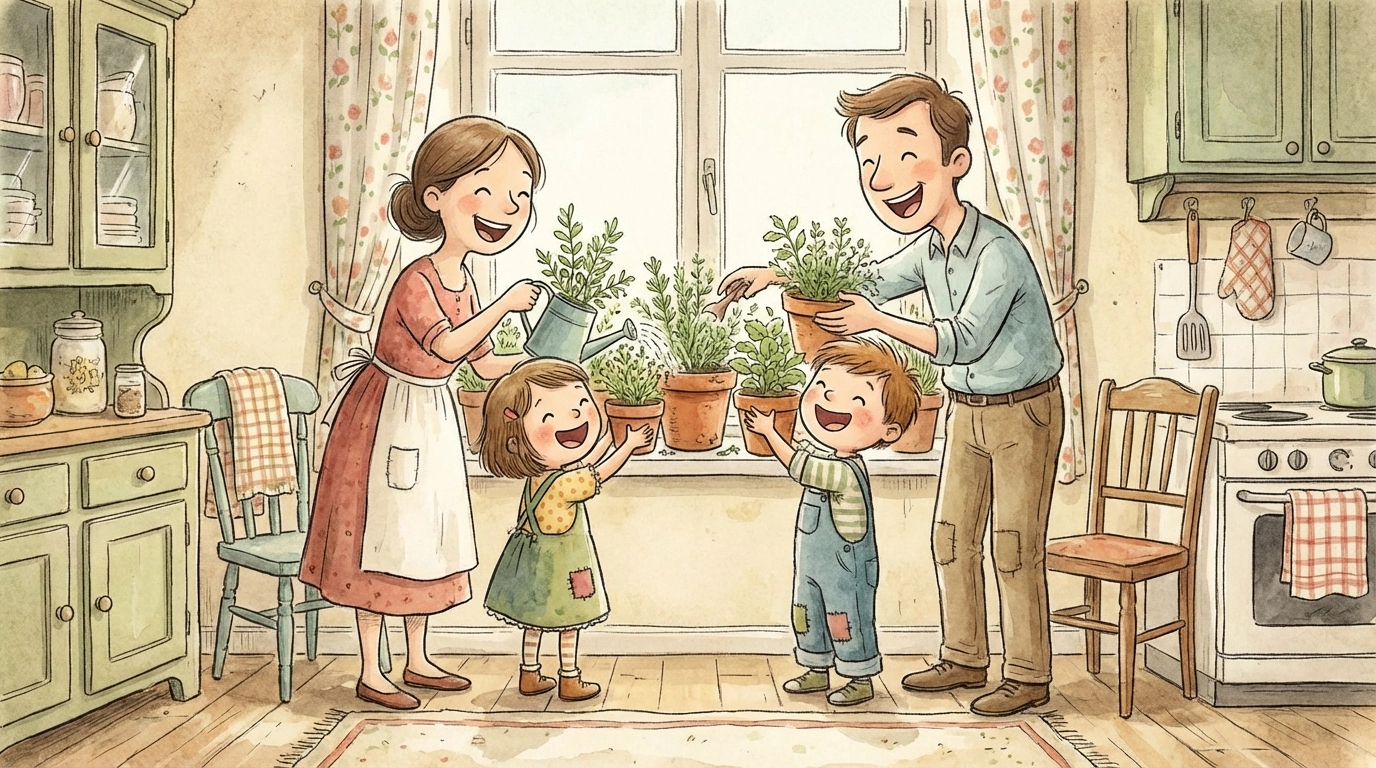
Here's a perfect beginner project that costs almost nothing and delivers real results.
Age range: 4–12+
Estimated cost: $0–$10
Time to sprout: 7–14 days
Time to harvest: 3–6 weeks
What you need:
- 3 small containers (upcycled or purchased)
- Potting soil
- Seeds: basil, chives, and parsley
- Sunny windowsill
- Spray bottle
Instructions:
Follow the step-by-step planting guide above. Place all three containers on your sunniest windowsill. Label each one. Water every 1–2 days with a spray bottle.
Once plants reach 4–6 inches tall, start harvesting outer leaves for cooking. The more you harvest, the more they grow.
What Comes Next?
Once your family has a successful windowsill garden under your belt, you're ready for bigger projects: DIY hydroponics, microgreen trays, or even a vertical growing system.
The skills transfer. The confidence builds. And before you know it, your kids are growing food that actually ends up on your dinner table.
That's the real win.
FAQ
What is the easiest plant for a kid to grow indoors?
Beans and sunflowers are great because their seeds are big and easy for small hands to hold, and they grow very quickly.
Do we need special soil for indoor gardening?
Yes, it’s best to use "potting mix" rather than dirt from the backyard. Potting mix is fluffy and clean, which helps indoor plants breathe and stay healthy.
Where is the best place to put our indoor garden?
A south-facing window is usually the "sunniest spot" in the house. If you don't have one, any bright area where the kids can easily see and reach the plants will work!
References
- Research on indoor gardening benefits and project ideas for children
- Seed-starting techniques and optimal growing conditions for indoor plants
- Age-appropriate gardening activities for family learning
Looking for more hands-on family projects? Explore our blog for weekly ideas that bring learning to life.