




Vertical farming is a method of growing crops in stacked layers indoors, rather than on traditional ground-level farms. Think of it like a plant skyscraper: instead of spreading out across a field, your garden grows up on shelves, towers, or wall-mounted systems. It's a fantastic way for families to grow fresh food year-round, even without a backyard or any outdoor space at all.
For beginners, vertical farming might sound high-tech and intimidating, but it doesn't have to be. You can start with a simple DIY tower using recycled materials and basic supplies. Kids love watching plants grow at eye level, and the whole family can harvest fresh greens, herbs, and veggies right from your living room, kitchen, or garage.
Let's break down exactly how vertical farming works, why it's perfect for families, and how you can build your very first vertical garden this weekend.
How Does Vertical Farming Actually Work?
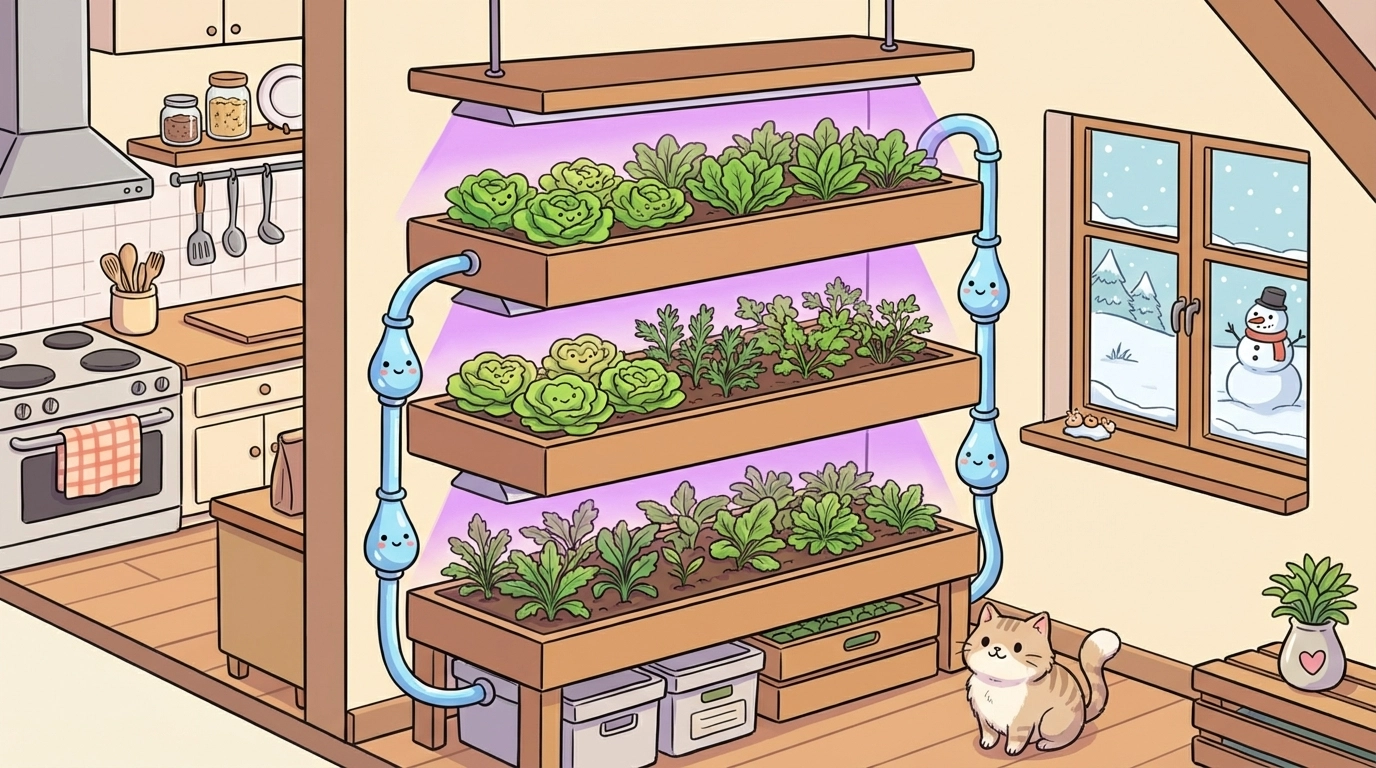
In traditional gardening, plants spread out horizontally across soil. Vertical farming flips that concept, literally. Plants are arranged in stacked rows or columns, often using water-based systems (like hydroponics) instead of soil to deliver nutrients directly to the roots.
Here's the basic setup:
- Stacked growing containers – Shelves, towers, hanging pockets, or wall-mounted planters hold your plants.
- Light source – Since many vertical farms are indoors, LED grow lights replace sunlight.
- Water and nutrients – Plants receive water mixed with liquid nutrients, either through a drip system, wick, or reservoir.
- Controlled environment – Temperature, humidity, and airflow are managed to keep plants happy.
The beauty of this system? You can grow food in places where traditional gardening is impossible: apartments, basements, classrooms, or even closets.
Why Is Vertical Farming Great for Families?
Vertical farming isn't just for commercial operations or science labs. It's actually one of the most family-friendly ways to grow food at home. Here's why:
1. You Don't Need Much Space
One of the biggest barriers to gardening is space. Vertical farming solves that problem completely. A single vertical tower can produce as much as 10 to 20 times the yield of traditional ground-level gardening using the same footprint. That means you can grow a meaningful amount of food on a balcony, in a corner of your kitchen, or even on a bookshelf.
2. Fresh Food Year-Round
Because vertical farms are indoors with controlled lighting, you're not limited by seasons. Your family can enjoy fresh lettuce in January, basil in November, and cherry tomatoes in March: no matter where you live.
3. No Pesticides Needed
Indoor growing protects plants from outdoor pests, so you can skip the chemicals entirely. That means cleaner, safer food for your kids to eat (and they'll be more excited to try veggies they grew themselves).
4. Hands-On Learning
Vertical farming teaches kids about plant biology, nutrition, water cycles, and even basic engineering. It's STEM education disguised as a fun family project.
5. Food Security at Home
Growing your own food: even a small amount: helps your family become more self-sufficient. It's a practical lesson in food security that kids can understand and participate in.
What Can You Grow in a Family Vertical Farm?
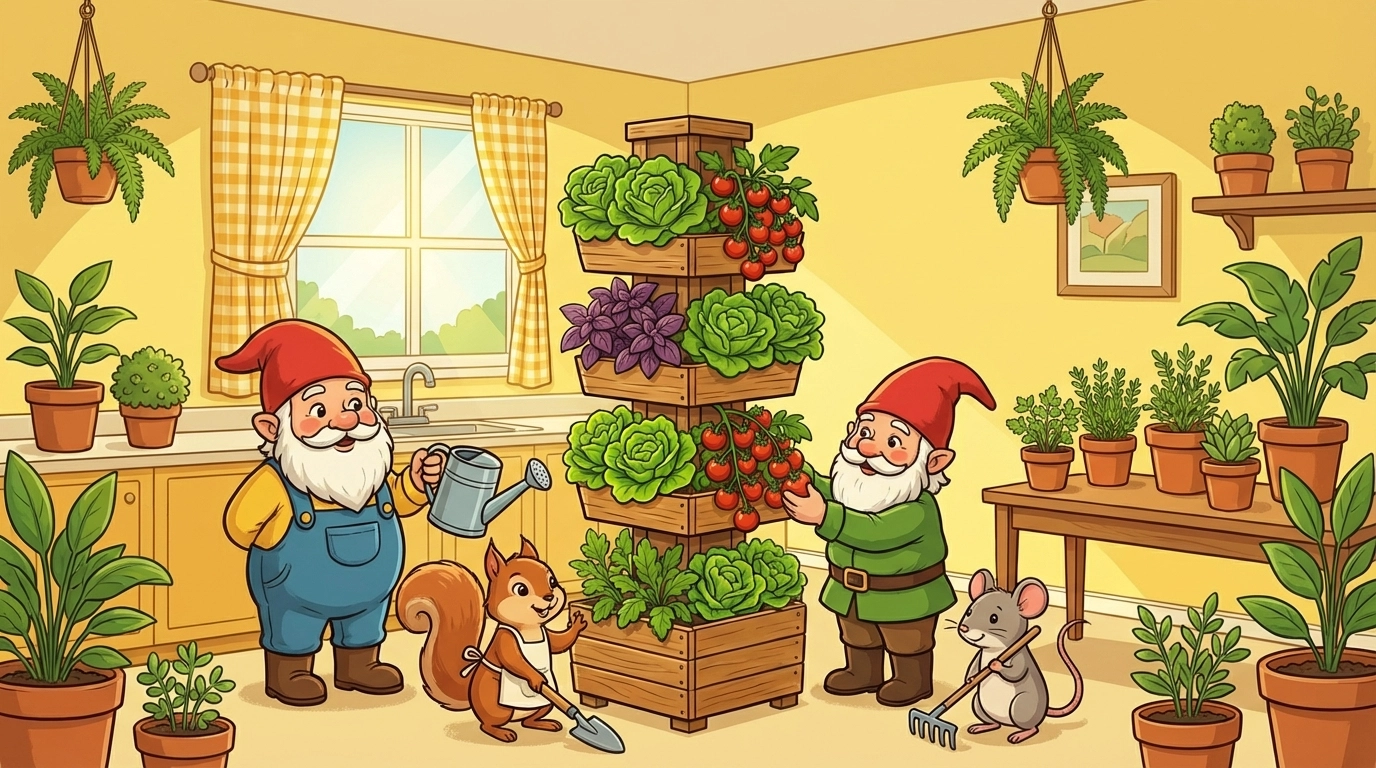
Not every plant is suited for vertical farming. The best crops are fast-growing, compact, and lightweight. Here are some family-friendly favorites:
| Easy Crops | Intermediate Crops | Fun Challenges |
|---|---|---|
| Lettuce | Cherry tomatoes | Strawberries |
| Spinach | Peppers | Dwarf cucumbers |
| Basil | Green onions | Dwarf beans |
| Mint | Cilantro | Edible flowers |
| Kale | Parsley | Microgreens |
Pro tip: Start with leafy greens and herbs. They grow quickly (often ready to harvest in 3–6 weeks), which keeps kids engaged and excited.
DIY Family Vertical Farm Project: Build a Simple Tower Garden
Ready to get your hands dirty? Here's a beginner-friendly vertical farming project you can build together as a family.
Age Range: 5–12 years (with adult supervision for cutting and assembly)
Estimated Cost: $10–$30 (using upcycled and common household materials)
Time to Build: 1–2 hours
Time to First Harvest: 3–6 weeks (depending on what you plant)
Materials You'll Need
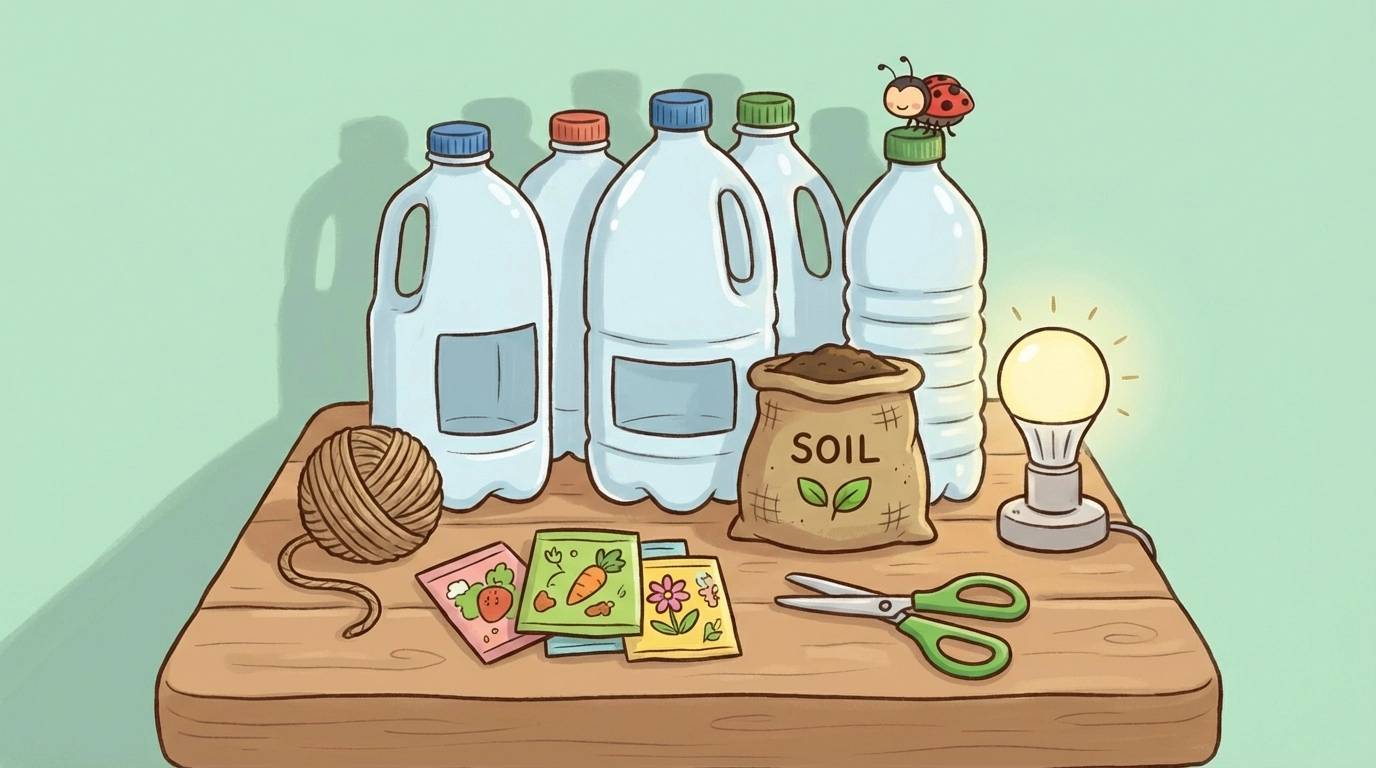
- 4–6 large plastic bottles (2-liter soda bottles work great) OR a tall PVC pipe (3–4 inches diameter)
- Utility knife or scissors (adult use)
- String, twine, or a wooden dowel for hanging/support
- Potting mix or coconut coir
- Seedlings or seeds (lettuce, herbs, or spinach recommended)
- A shallow tray or container to catch water
- Optional: small LED grow light if placing indoors without window access
Step-by-Step Instructions
Step 1: Prepare Your Containers
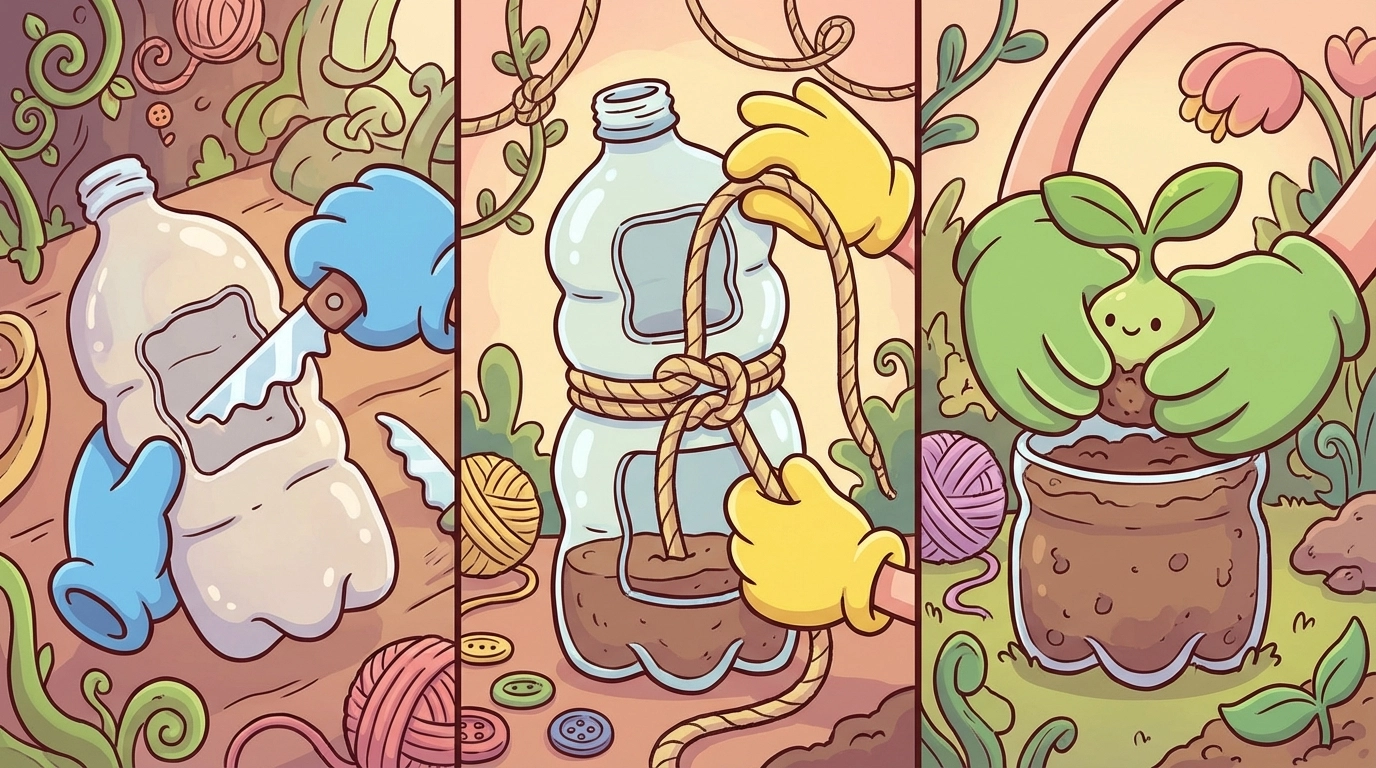
If using plastic bottles, have an adult cut a rectangular "window" (about 3 inches wide) on one side of each bottle. This is where your plant will grow out. Poke a few small drainage holes in the bottom of each bottle.
If using PVC pipe, cut 2–3 inch holes spaced 6 inches apart along the length of the pipe.
Step 2: Create Your Stacking System
For bottles: Thread a sturdy string or rope through the neck and bottom of each bottle, stacking them vertically. Hang from a hook, curtain rod, or place against a sunny wall with support.
For PVC: Cap the bottom, secure the pipe upright in a bucket filled with gravel or sand for stability.
Step 3: Fill with Growing Medium
Add potting mix or coconut coir to each container, filling around the planting holes. Leave about an inch of space at the top for watering.
Step 4: Plant Your Seeds or Seedlings
Tuck seedlings into each hole, or sprinkle 2–3 seeds per opening if starting from scratch. Gently press the soil around the roots or seeds.
Step 5: Water and Place
Water gently until the soil is moist but not soaked. Place your vertical garden near a sunny window (south-facing is best) or set up a small LED grow light on a timer for 12–16 hours per day.
Step 6: Care and Harvest
Check soil moisture daily: vertical systems can dry out faster than traditional pots. Harvest outer leaves first to encourage continued growth.
Tips for Vertical Farming Success
Here are a few things we've learned at Tierney Family Farms that will help your family's vertical garden thrive:
- Start small. A single tower with 4–6 planting spots is plenty for beginners. You can always expand later.
- Watch your water. Overwatering is the most common mistake. Stick your finger an inch into the soil: if it's dry, water. If it's damp, wait.
- Rotate your tower. If you're using natural light, give your tower a quarter turn every few days so all plants get equal sunshine.
- Label everything. Kids love making plant markers. It helps everyone remember what's growing where.
- Celebrate small wins. The first sprout, the first true leaf, the first harvest: make each milestone an event.
Common Questions About Family Vertical Farming
Is vertical farming expensive to set up?
It can be, but it doesn't have to be. Commercial systems cost hundreds of dollars, but a DIY version using recycled bottles and basic supplies can cost under $20.
Do I need special lights?
If you have a sunny window, you may not need grow lights at all. For rooms without natural light, a basic LED grow light ($15–$30) works great.
Can we grow vegetables, not just lettuce?
Absolutely! Cherry tomatoes, peppers, and even strawberries can thrive in vertical systems. They just take a bit longer and may need more support.
How much food can we really grow?
A small home vertical garden won't replace your grocery store trips, but it can provide a steady supply of fresh herbs and salad greens: and that's a meaningful step toward food security.
Keep Growing With Us
Vertical farming is just one of many hands-on projects families can explore together. If you enjoyed this guide, check out our other beginner-friendly tutorials on our blog, including how to build a fairy garden planter with kids for under $10 and how to create a DIY worm composting bin with children.
Happy growing!
FAQ: Vertical Farming for Families
Can you grow a vertical farm in an apartment?
Yes! Vertical farming is perfect for small spaces because it grows "up" instead of "out." A sunny wall or a corner with a grow light is all you need.
What is the main benefit of vertical farming?
It saves space and often uses much less water than traditional gardening. Plus, it’s a great way for kids to see how technology can help us grow food more efficiently.
Do vertical farms need a lot of maintenance?
Not necessarily. Because they are often indoors or in controlled spaces, you have fewer weeds and pests to worry about. A quick check for water and light once a day is usually plenty.
References:
- USDA – Vertical Farming Overview
- Cornell University – Controlled Environment Agriculture
- Association for Vertical Farming
- National Geographic – Future of Farming
- University of Arizona Controlled Environment Agriculture Center
- Indoor AgCon Industry Reports