



In Zone 6, it’s usually safe to plant tender crops outside after the last frost: typically mid-May (a lot of gardeners use Mother’s Day weekend as the “pretty safe” marker). Cold-hardy crops like peas and carrots can go out earlier: often March to April, once the soil can be worked.
Quick answer for busy parents/teachers (Zone 6):
- Cold-hardy veggies: late March–April (light frost? usually fine)
- Tender veggies: after Mother’s Day (best odds)
- If you only do one thing: check the nighttime forecast and use a cheap soil thermometer
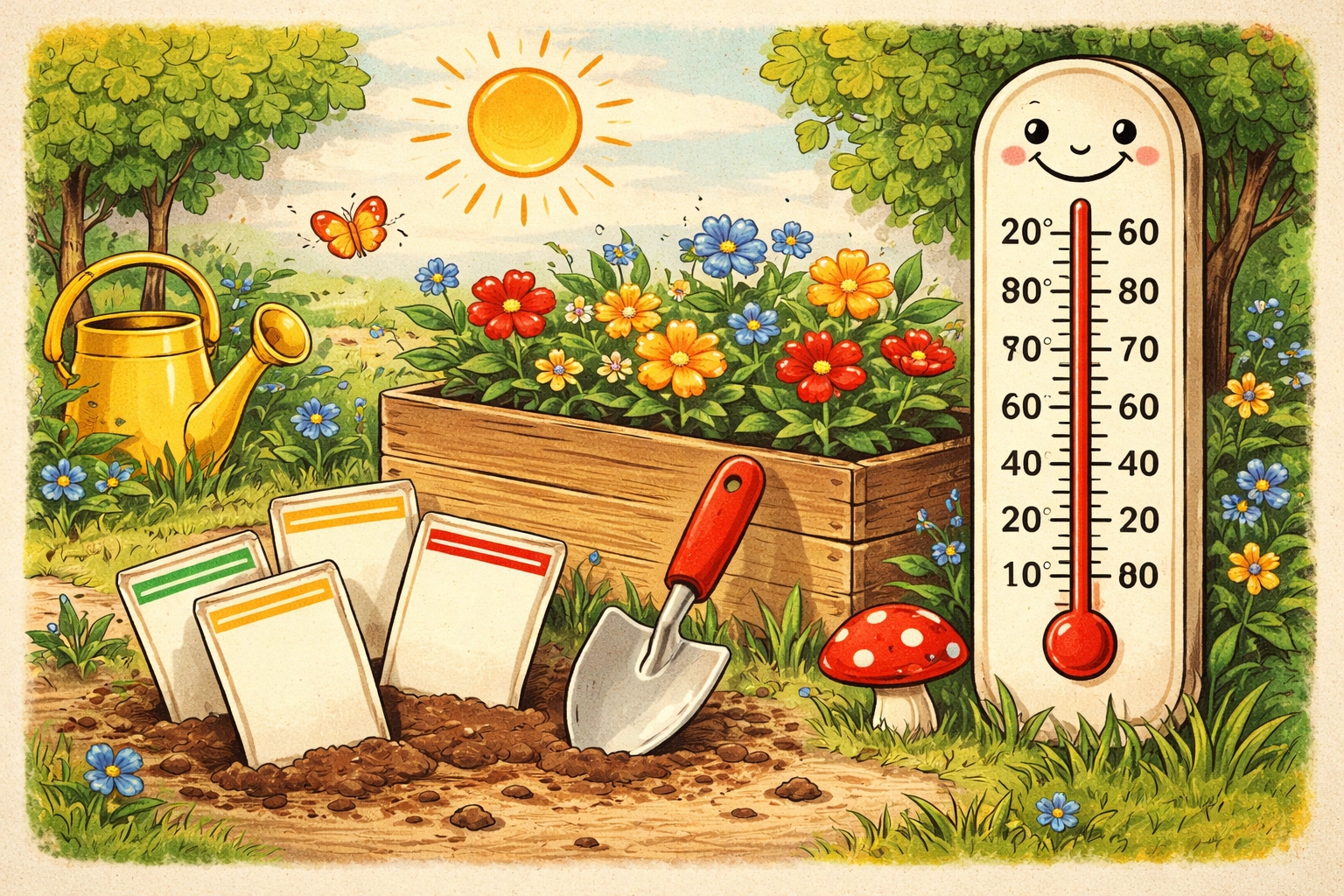
If you’ve spent the winter doing indoor growing projects with your kids, you’re probably itching to get outside. But Zone 6 winters are sneaky. One warm April afternoon makes you think spring has arrived, and then: bam: a late frost turns your tomato seedlings into sad, brown mush.
Let’s break down exactly when your family can safely plant what, so you don’t lose all that hard work to a surprise freeze.
Why do Zone 6 families need to pay attention to frost dates?
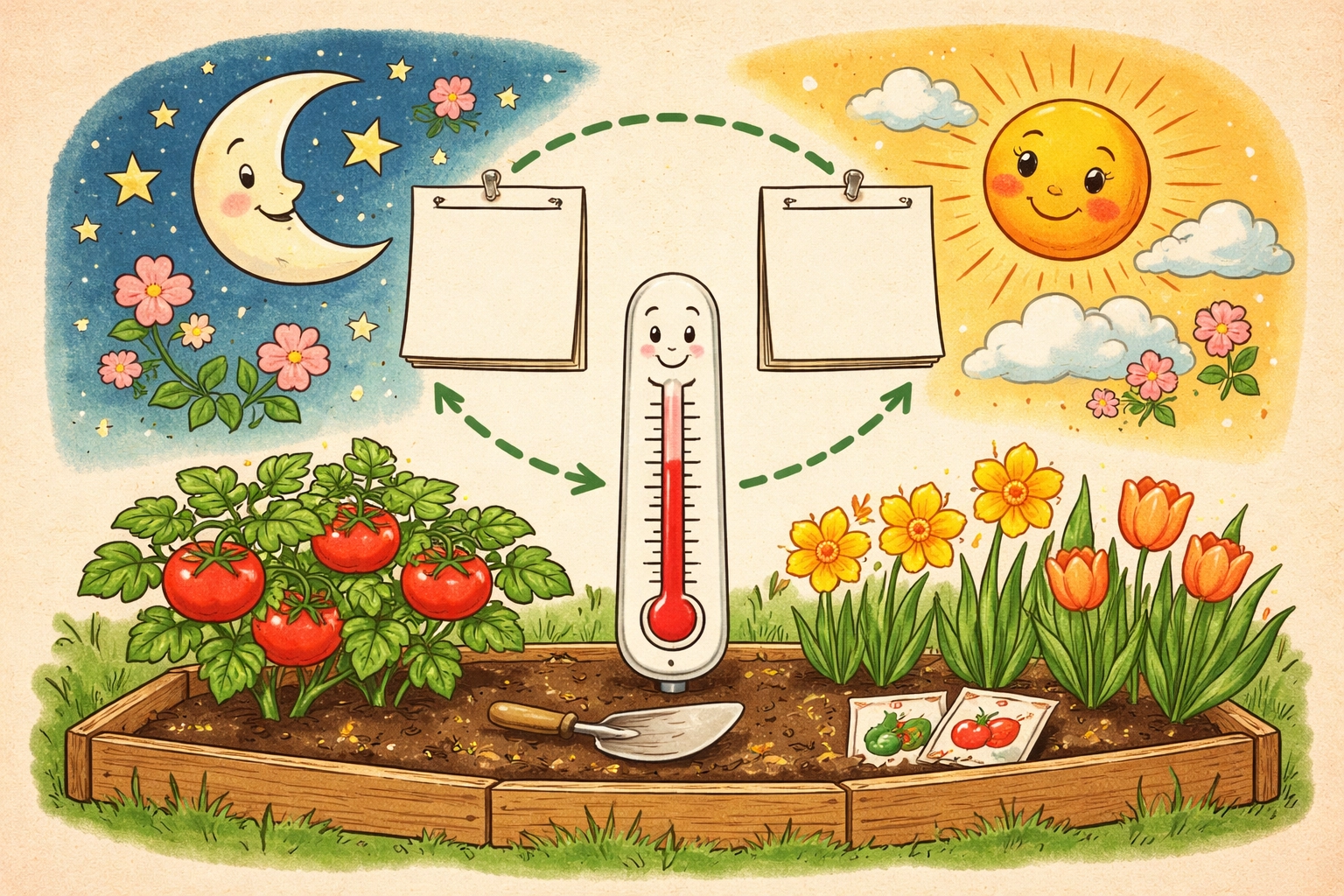
Zone 6 covers a huge swath of the United States, from parts of Missouri and Illinois through Ohio, Pennsylvania, and into New England. The defining feature? Winter temperatures that dip between -10°F and 0°F, with a growing season that runs roughly from early May through early November.
The tricky part is that "last frost" doesn't mean "last cold night." Your average last frost date in Zone 6 falls around May 1st, but averages are just that: averages. In any given year, frost can show up as late as mid-May or even Memorial Day weekend in some microclimates.
That's why seasoned gardeners in Zone 6 wait until Mother's Day to transplant tender seedlings. It's not a guarantee, but it gives your warm-weather crops much better odds.
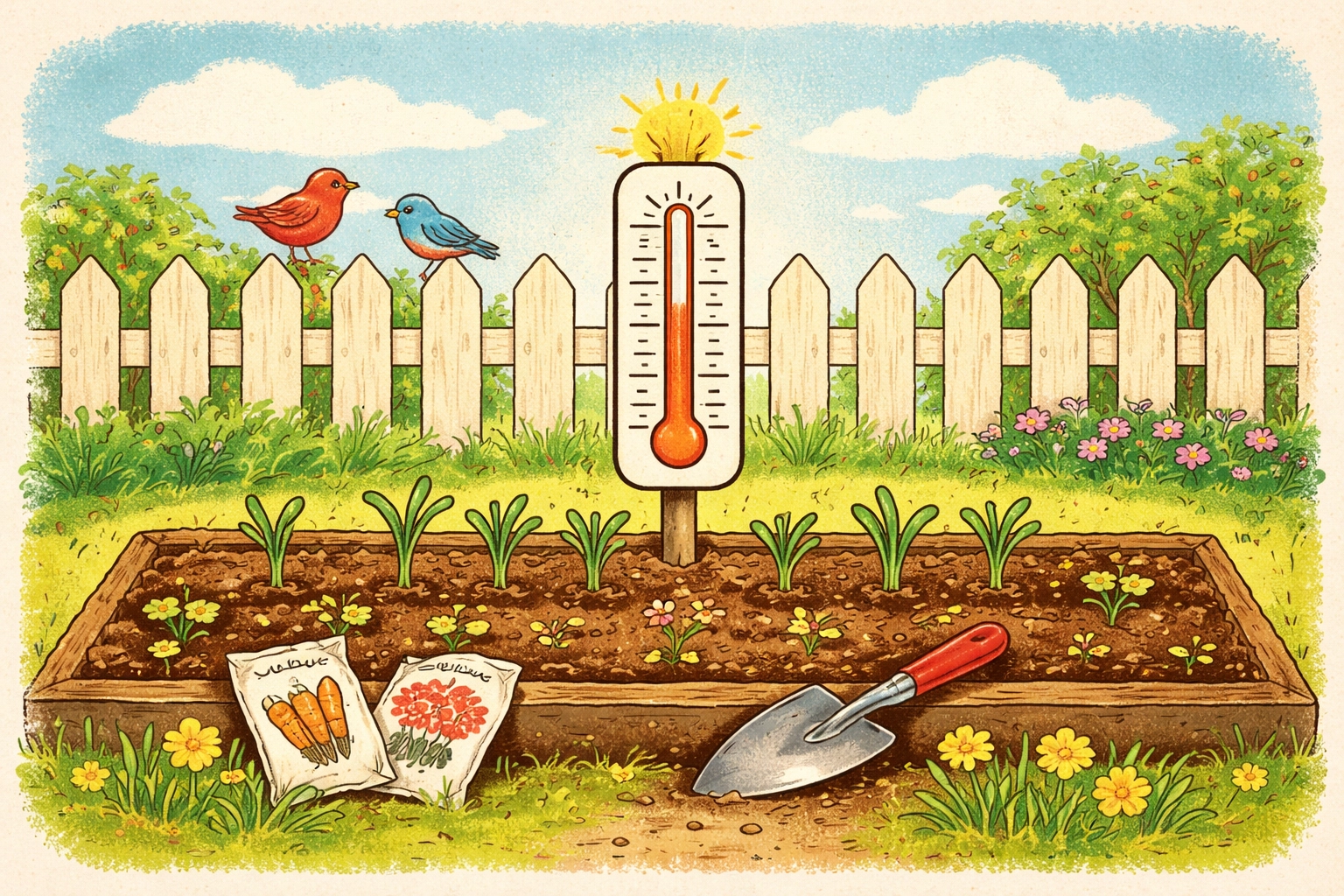
What can kids plant early vs. what has to wait in Zone 6?
Here's the secret that makes Zone 6 planting less confusing: all garden plants fall into two basic categories.
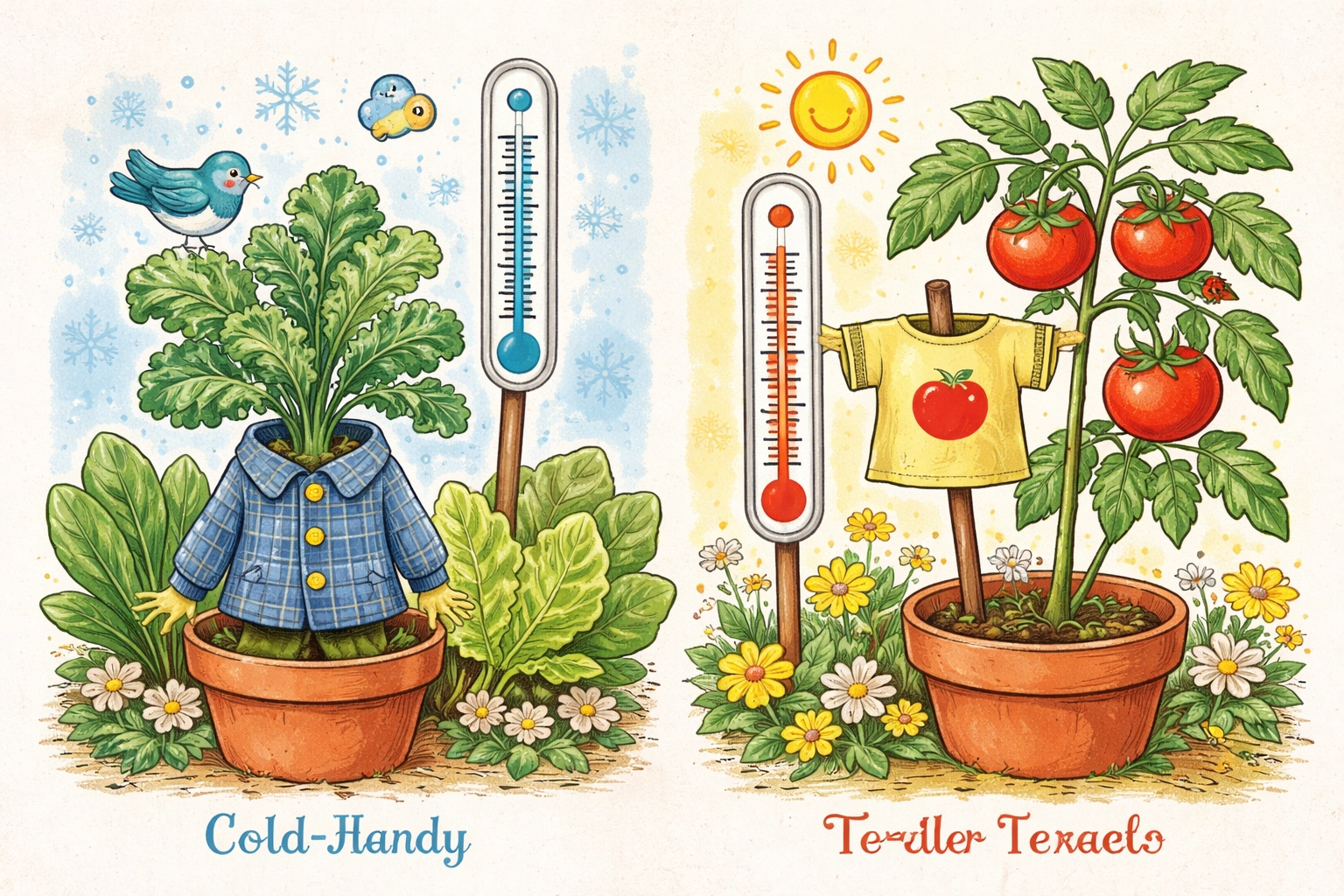
Cold-Hardy Crops (The Tough Ones)
These vegetables actually prefer cooler weather. Light frost won't hurt them: in fact, some taste better after a chill. Kids can help plant these as early as March or April, depending on how quickly your soil thaws.
Cold-hardy vegetables include:
- Peas
- Carrots
- Spinach
- Lettuce
- Radishes
- Broccoli
- Cabbage
- Kale
- Onion sets
These are perfect "first planting day" crops for eager kids who can't wait another minute to dig in the dirt.
Tender Crops (The Sensitive Ones)
These plants came from warm climates originally, and they absolutely cannot handle frost. Even a light freeze will damage or kill them. Wait until after your last frost date: or better yet, until Mother's Day: before putting these outside.
Tender vegetables include:
- Tomatoes
- Peppers
- Cucumbers
- Squash
- Beans
- Corn
- Melons
- Basil
If you've been growing seedlings indoors, these tender plants need to stay inside until the outdoor temperatures are reliably warm: both day and night.
What’s a simple Zone 6 “safe to plant” chart for families?
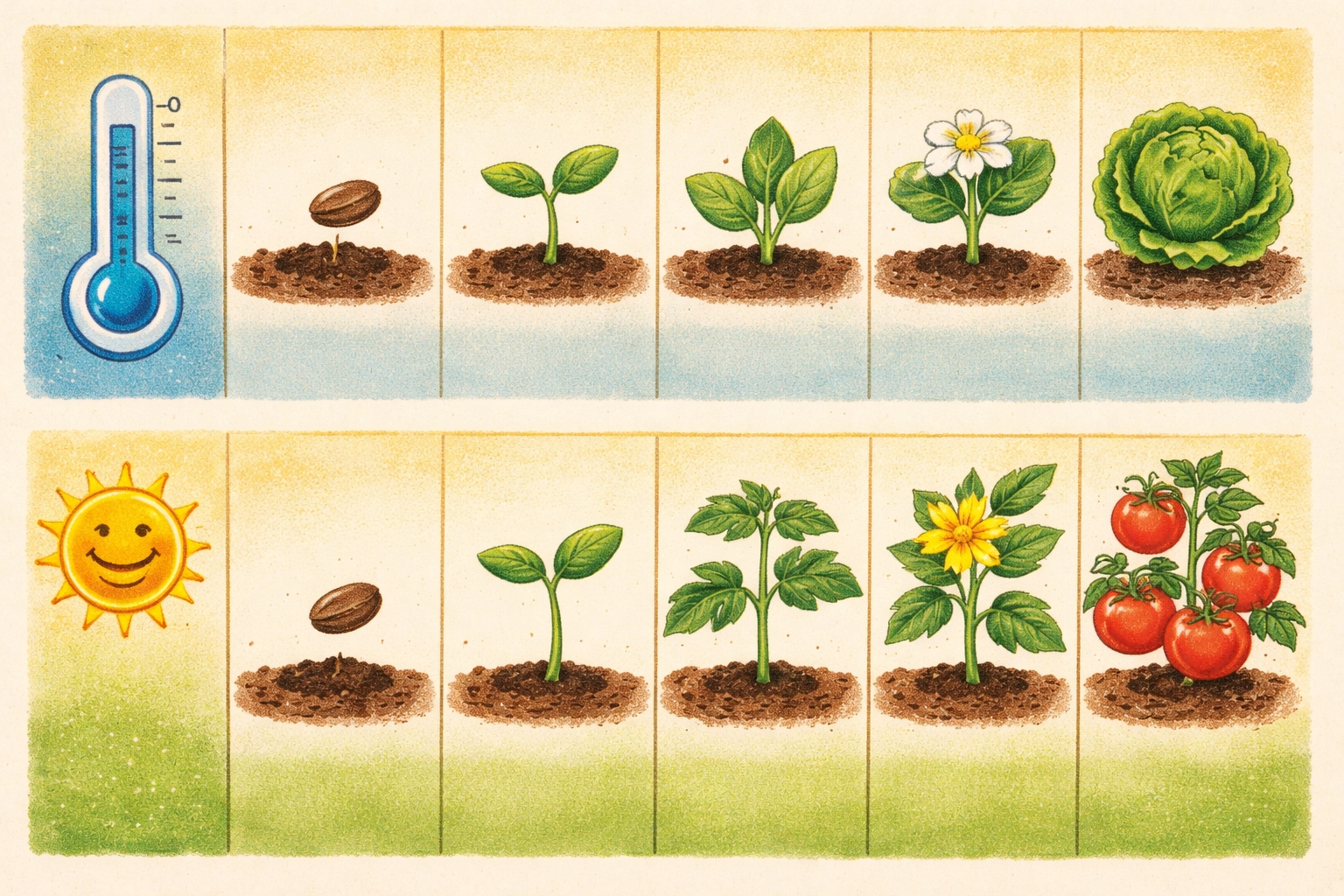
Here's a simple reference chart you can print out and stick on the refrigerator. It shows when Zone 6 families can safely plant different crops outdoors.
| Crop | Safe to Plant Outside | Notes for Kids |
|---|---|---|
| Peas | Mid-March to Early April | Plant as soon as soil can be worked |
| Carrots | Late March to April | Tiny seeds: great fine motor practice |
| Spinach | Late March to April | Fast growing: harvest in 4-6 weeks |
| Lettuce | Late March to April | Can plant again in fall |
| Radishes | Late March to April | Ready in just 25-30 days! |
| Broccoli transplants | Late April | Started indoors 6-8 weeks earlier |
| Tomatoes | After May 15 (Mother's Day) | Needs warm soil and warm nights |
| Peppers | After May 15 (Mother's Day) | Even more cold-sensitive than tomatoes |
| Cucumbers | After May 15 | Direct sow or transplant |
| Beans | After May 15 | Easy to handle: great for little hands |
| Squash | After May 15 | Big seeds, fast germination |
| Corn | After May 15 | Plant in blocks, not rows |
| Basil | After May 15 | Turns black at the first hint of cold |
Pro tip for families: Peas and radishes make excellent "practice crops" for young gardeners. They're forgiving, fast-growing, and can handle the unpredictable weather of early spring.
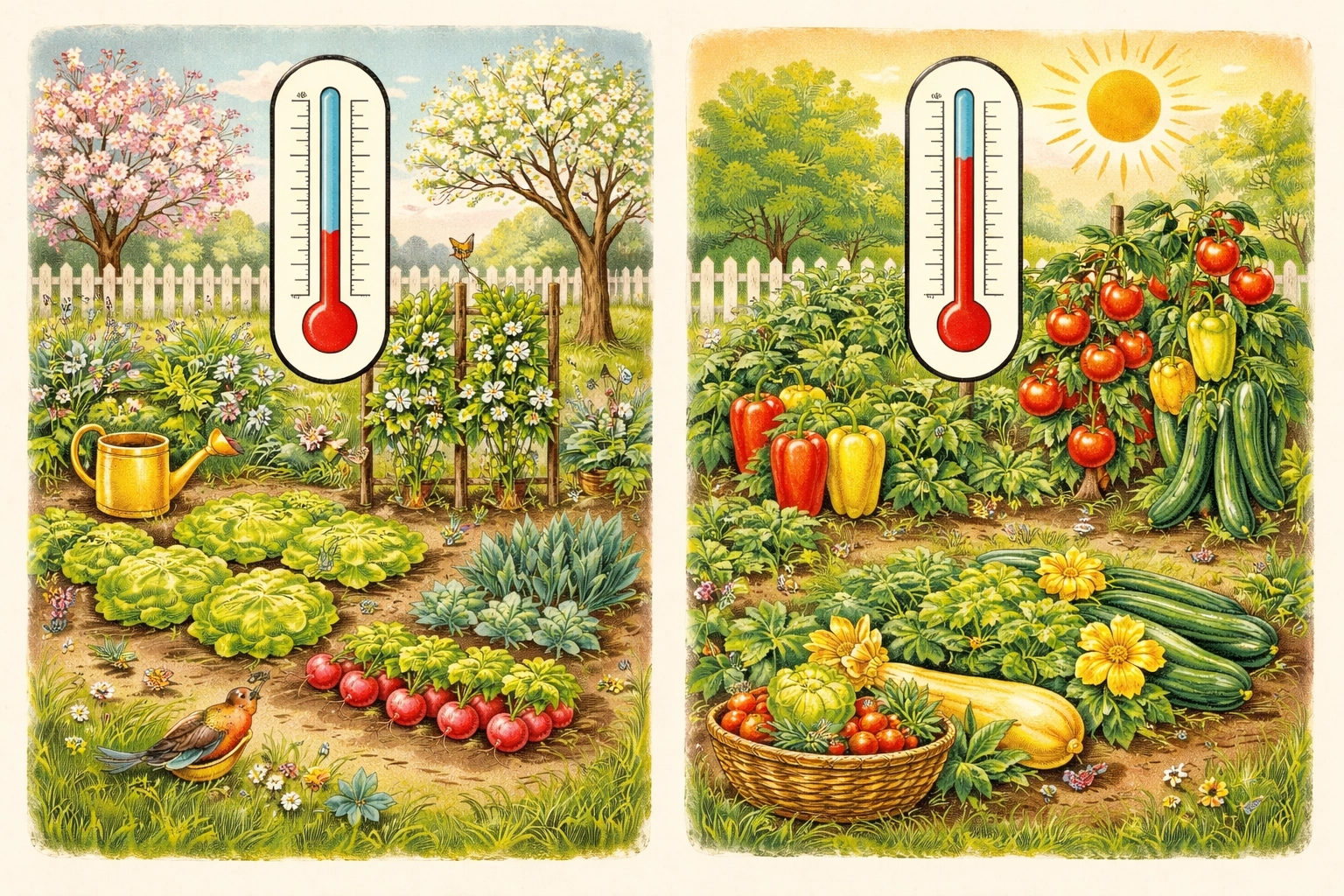
How do you explain frost dates to kids (without a science lecture)?
Young children don't need to memorize temperature charts. Here's a simple way to explain it:
"Some plants wear winter coats, and some plants wear t-shirts."
Peas, carrots, and spinach are wearing their winter coats: they can go outside even when it's still chilly. Tomatoes and peppers are wearing t-shirts: they have to wait until it's warm enough that you would be comfortable outside in a t-shirt at night.
If it's too cold for your kiddo to sleep with the windows open, it's too cold for tomatoes.
When should you start seeds indoors in Zone 6 (so they’re ready by Mother’s Day)?
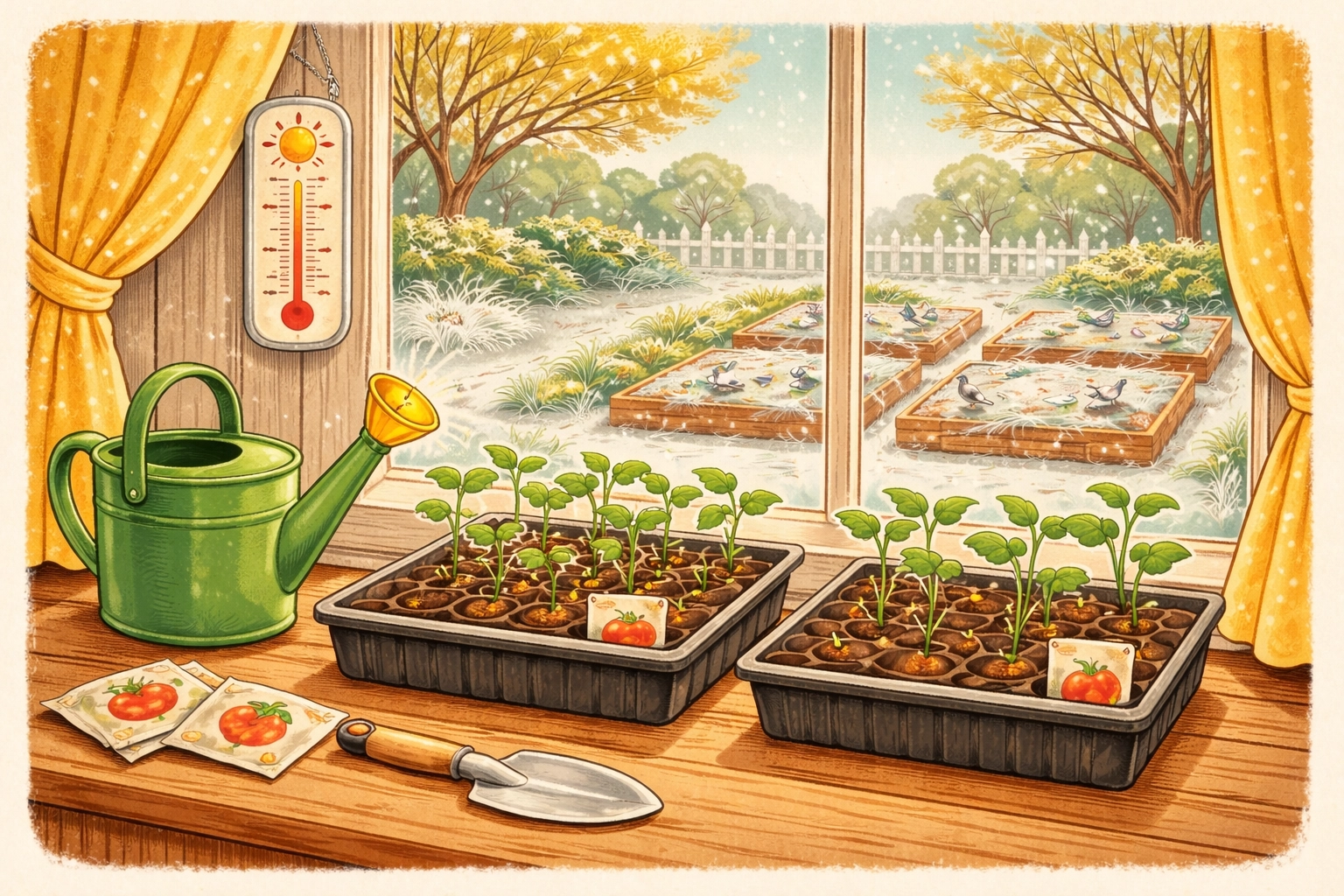
If you want tomatoes, peppers, or other tender crops ready to go by Mother's Day, you'll need to start them indoors 6-8 weeks before your transplant date. In Zone 6, that means starting seeds in mid-to-late March.
Starting seeds indoors is a fantastic winter project that bridges the gap between snow season and planting season. Kids can watch the entire life cycle: from tiny seed to transplant-ready seedling: before ever stepping foot in the garden.
The key is "hardening off" your seedlings before transplanting. About a week before your planting date, start setting your seedlings outside for a few hours each day in a sheltered spot. Gradually increase their outdoor time so they can adjust to sun, wind, and temperature changes. This prevents transplant shock and gives your plants the best chance of thriving.
How can you tell if your soil is ready to plant (even if the calendar says yes)?
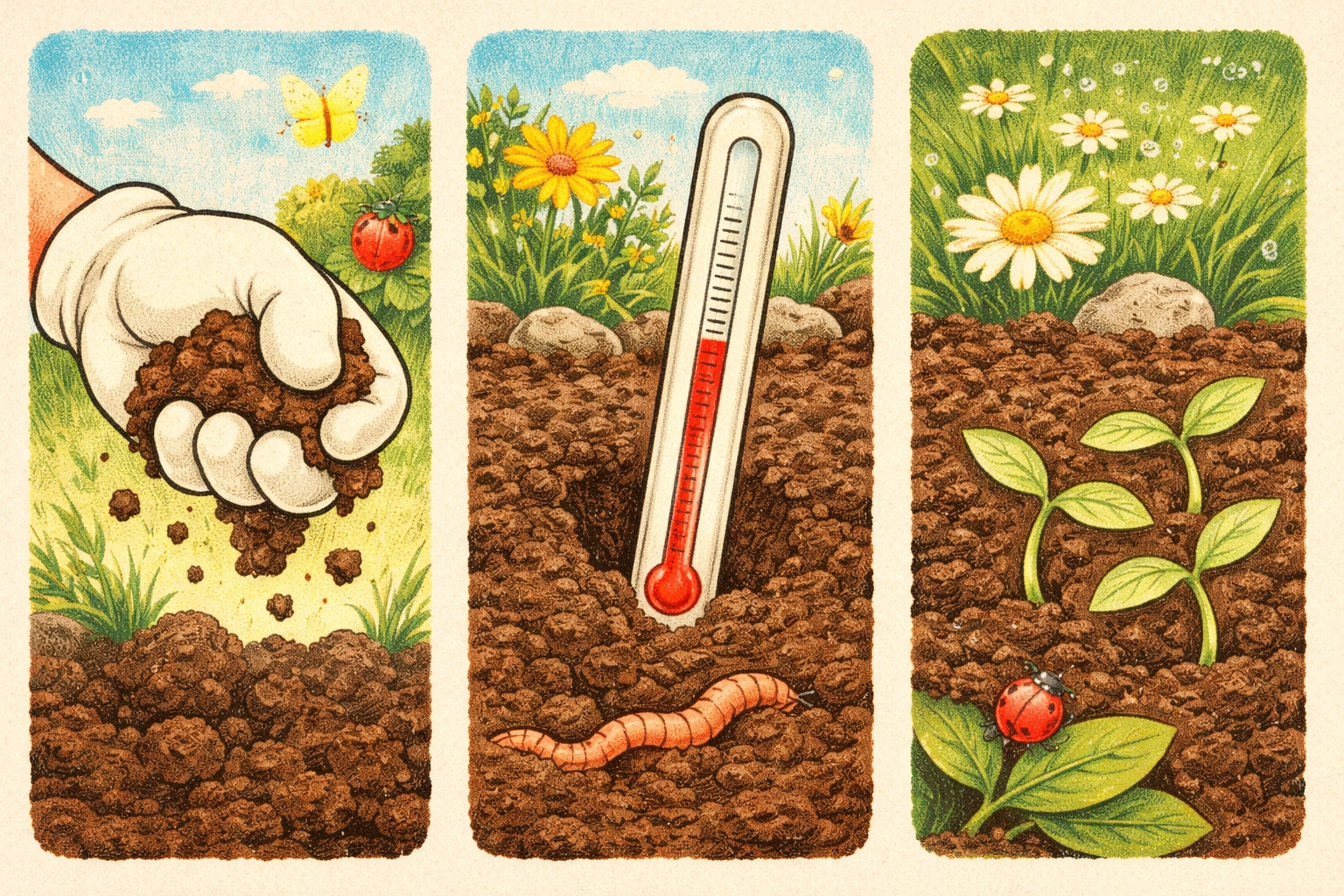
Even if the calendar says it's time to plant, your soil might not agree. Here are three simple tests kids can help with:
The Squeeze Test: Grab a handful of soil and squeeze it. If water drips out, it's too wet: wait a few more days. If it crumbles apart completely, it might be too dry. If it holds together but breaks apart when you poke it, it's just right.
The Temperature Test: Soil thermometers are inexpensive and fascinating for kids. Most seeds need soil temperatures of at least 40°F to germinate. Warm-weather crops like beans and corn prefer soil closer to 60°F.
The Weed Test: When you start seeing weeds sprouting in your garden beds, that's nature's signal that the soil is warm enough for seeds to germinate.
Zone 6 planting FAQs (kids + frost + quick fixes)
Can you garden with kids in winter if you live in Zone 6?
Absolutely! While outdoor planting is on pause from November through March, families can grow mushrooms, microgreens, sprouts, and hydroponic lettuce indoors. These projects keep the gardening momentum going until spring arrives.
What happens if frost is predicted after you've already planted?
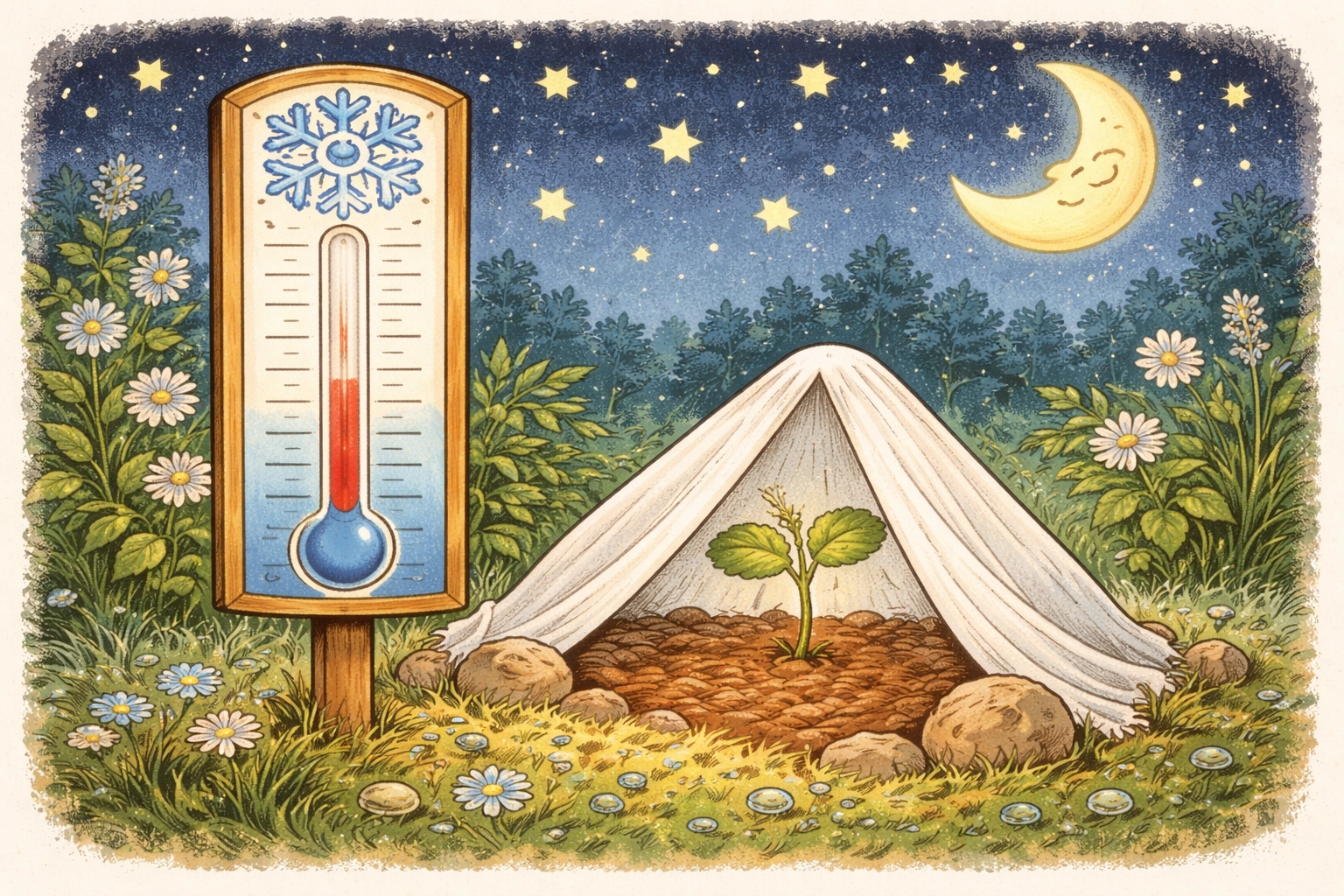
For tender crops, cover them with buckets, sheets, or frost cloth before sunset. Remove the covers in the morning once temperatures rise above freezing. Cold-hardy crops generally don't need protection.
Why do some gardeners say May 1st and others say May 15th?
May 1st is the average last frost date for much of Zone 6, but averages mean frost can still occur after that date. Waiting until May 15th (Mother's Day weekend) provides a safety buffer that most experienced gardeners swear by.
What's the best first crop for a child who has never gardened before?
Radishes. They germinate in just a few days, tolerate cool weather, and are ready to harvest in under a month. Kids get to see results quickly, which builds excitement for longer-season crops.
What’s a simple month-by-month planting timeline for Zone 6 families?
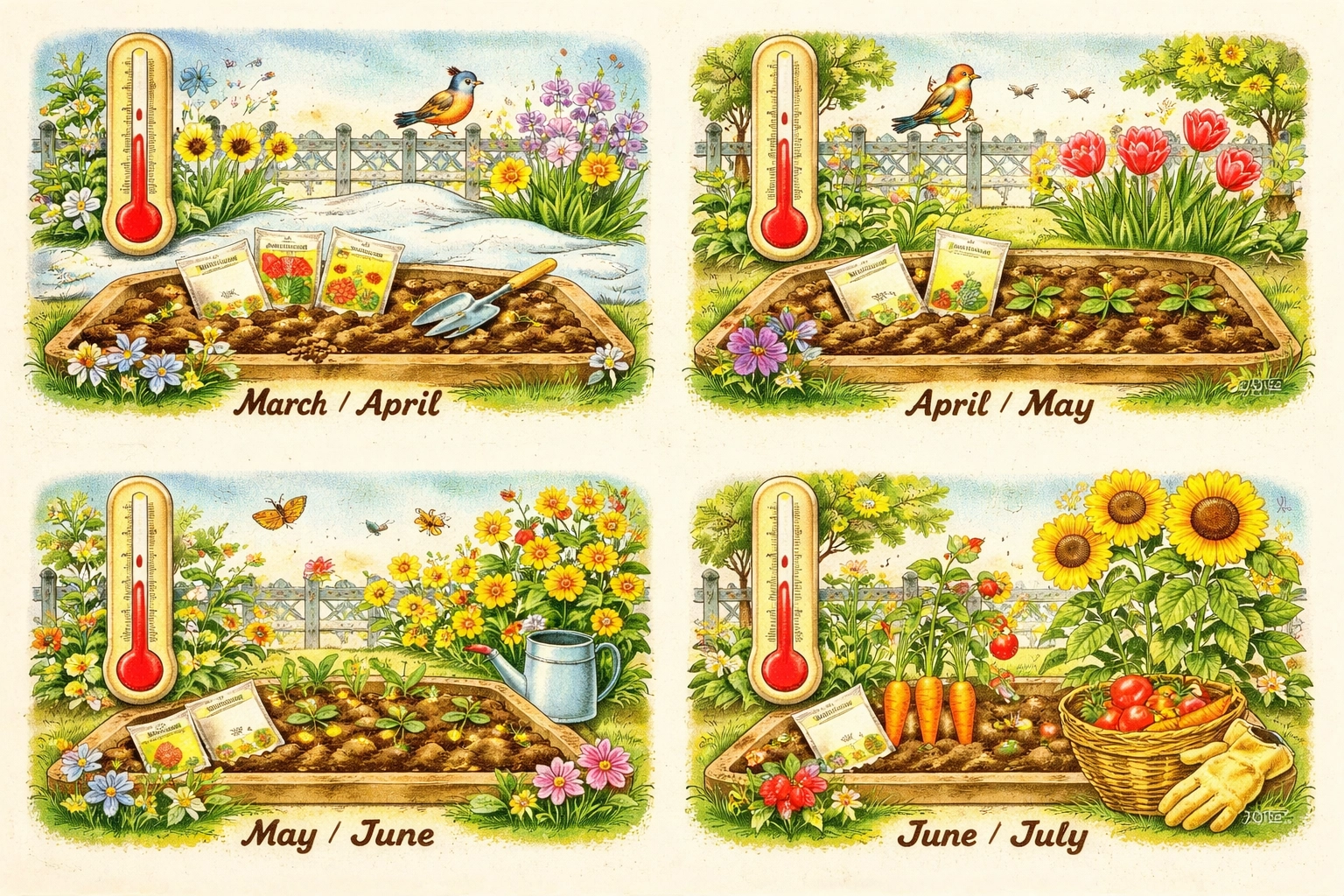
Here's the big picture for Zone 6 families:
- March: Start tomato and pepper seeds indoors. Direct sow peas and spinach outside if soil is workable.
- April: Continue indoor seed starting. Plant carrots, lettuce, radishes, and more cold-hardy crops outside.
- Early May: Harden off indoor seedlings. Watch the weather forecast closely.
- Mid-May (Mother's Day): Transplant tomatoes, peppers, and other tender crops. Direct sow beans, corn, squash, and cucumbers.
- June through October: Enjoy the harvest!
Tierney Family Farms Disclaimer
This article was created with the help of AI to support the Tierney Family Farms team in producing educational content. While we’ve researched Zone 6 frost dates and planting guidelines carefully, local conditions vary. Your specific microclimate, elevation, and weather patterns may differ from general guidelines. When in doubt, check your local forecast and/or your local cooperative extension office. Always supervise children during gardening activities and use age-appropriate tools.
References (peer-reviewed + core standards)
- Easterling, D.R. (2002). Recent changes in frost days and the frost-free season in the United States. Bulletin of the American Meteorological Society. https://journals.ametsoc.org/view/journals/bams/83/9/1520-0477_2002_083_1327_rcifda_2_3_co_2.xml
- McCabe, G.J., Ault, T.R., Cook, B.I., Betancourt, J.L., & Schwartz, M.D. (2017). Observed variations in U.S. frost timing linked to atmospheric circulation patterns. Nature Communications. https://www.nature.com/articles/ncomms15307
- Wolfe, D.W., Albright, L.D., & Wyland, J. (1989). Modeling row cover effects on microclimate and yield: I. Growth response of tomato and cucumber. Journal of the American Society for Horticultural Science, 114(4), 562–568. https://journals.ashs.org/jashs/view/journals/jashs/114/4/article-p562.xml
- Peet, M.M. (1992). Fruit cracking in tomato. Horticultural Reviews, 13, 183–215. (Useful background on stress + temperature swings.) https://doi.org/10.1002/9780470650509.ch5
- USDA-ARS. USDA Plant Hardiness Zone Map (standard reference). https://planthardiness.ars.usda.gov/