



The quick answer: Teaching kids about food security helps your whole family understand where food comes from, how to make smarter choices with what you have, and why meals matter beyond just filling bellies. When kids learn these skills, they bring that knowledge to the dinner table, and everyone's relationship with food gets better.
Now let's dig into exactly how this works and what you can do to make it happen at home.
What Is Food Security (And Why Should Your Family Care)?
Food security means having reliable access to enough affordable, nutritious food. Sounds simple, right? But most kids: and honestly, many adults: don't think much about the journey food takes before it lands on their plate.
When children understand food security, they start connecting dots:
- Where does our food actually come from?
- Why do some foods cost more than others?
- What happens when food isn't available?
- How do our choices affect our health and community?
These aren't just abstract concepts. They're the foundation for raising kids who respect food, waste less, and make thoughtful decisions about what they eat.
How Learning About Food Security Changes Your Family Dynamic
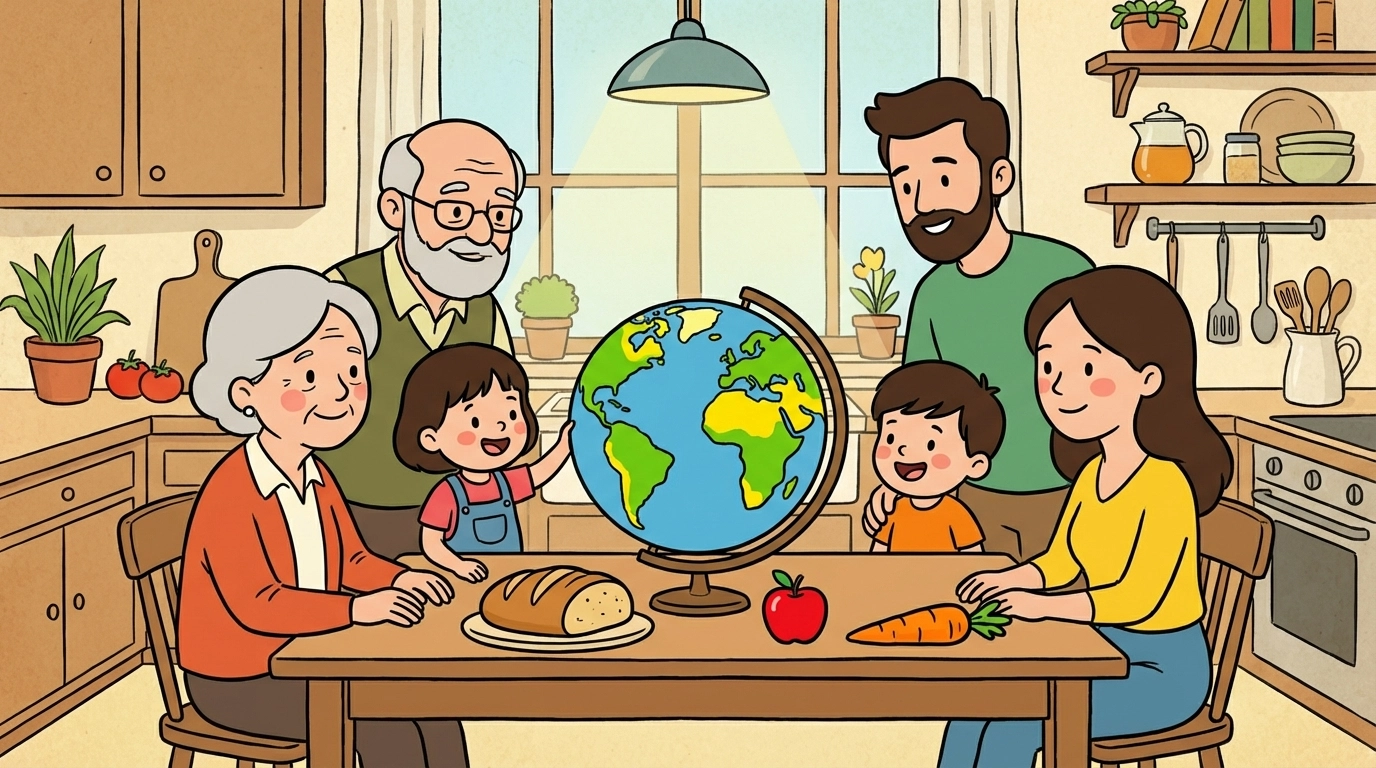
Here's where things get interesting. When kids learn about food security: whether at school, through a program, or at home: they don't keep that knowledge to themselves. They bring it back to the family.
Kids Become Food Advocates
Children who understand food security start asking questions at the grocery store. They notice what's in the pantry. They might suggest trying a new vegetable or point out when food is being wasted.
This isn't kids being bossy. It's kids applying what they've learned. And when a seven-year-old asks, "Can we eat the bruised apple instead of throwing it away?": that's a teaching moment that sticks with everyone.
Meal Planning Becomes a Team Effort
Families who talk about food security often find themselves planning meals together. Kids get involved in thinking about:
- What ingredients they already have
- How to stretch a grocery budget
- What makes a balanced plate
This shared responsibility takes pressure off parents and gives kids ownership over family nutrition.
Conversations About Food Get Deeper
Instead of "eat your vegetables," dinner conversations shift to "why do vegetables matter?" Kids start understanding the connection between food, their bodies, their community, and even the environment.
Research shows that nutrition education embedded with social and emotional learning helps children build self-awareness around food choices and develop respect for different cultural eating habits. That means fewer battles at the table and more genuine curiosity.
5 Practical Ways to Teach Food Security at Home
You don't need a curriculum or a degree in nutrition. Here are simple, actionable ways to start these conversations with your kids.
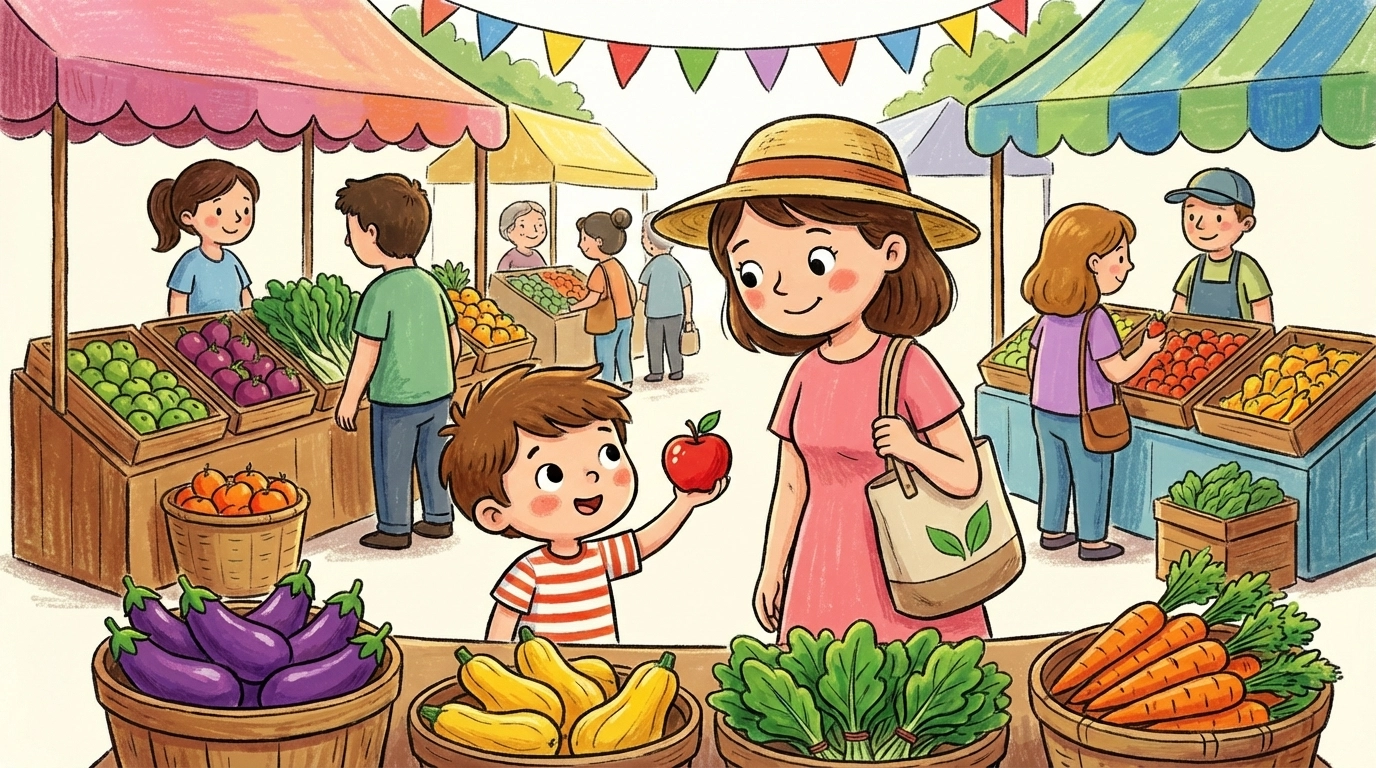
1. Take a "Food Journey" Walk Through the Grocery Store
Next time you're shopping, slow down. Pick up an item: a bag of rice, a bunch of bananas: and talk through its journey.
- Where was this grown?
- How did it get here?
- Why does it cost what it costs?
You don't need to have all the answers. Looking things up together is part of the learning.
2. Start a "Use It Up" Challenge
Before your next grocery run, challenge the family to create a meal using only what's already in the fridge and pantry. This teaches resourcefulness and reduces waste.
Kids love the puzzle aspect of this. What can we make with leftover rice, half an onion, and some eggs? Suddenly, meal prep becomes a game.
3. Grow Something: Anything
Even a single herb on a windowsill teaches kids that food doesn't just appear on shelves. They see the time, care, and conditions required to grow something edible.
If you want to level up, try a simple hydroponic setup: it's a great way to show kids that food production can happen anywhere, even without soil.
4. Cook Together With What You Have
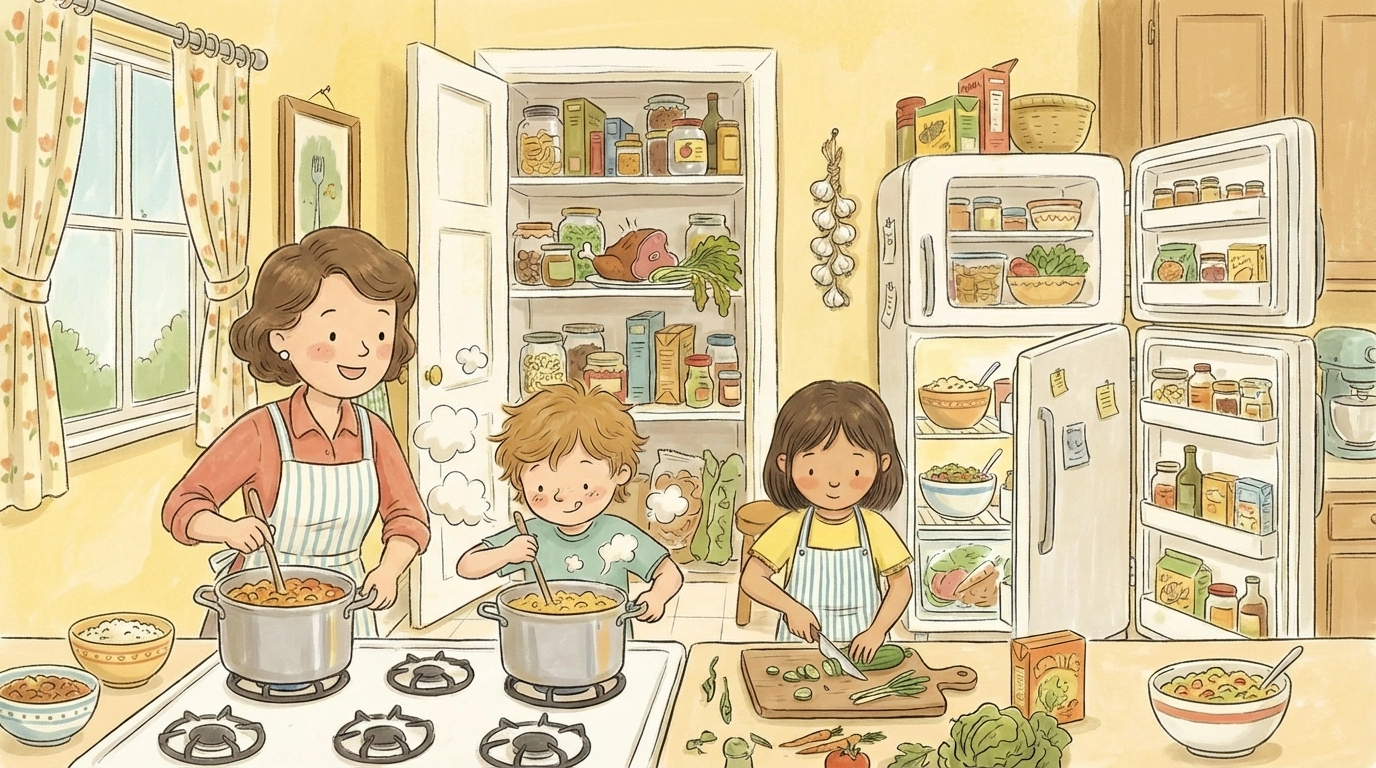
Involve kids in cooking, but focus on flexibility rather than following a recipe perfectly. Teach them to substitute ingredients, adjust portions, and work with what's available.
This skill is at the heart of food security: making nutritious meals regardless of what's in the kitchen.
5. Talk About Hunger Without Fear
Food insecurity affects millions of families. Talking about hunger: locally and globally: helps kids develop empathy and gratitude without guilt or shame.
Keep it age-appropriate, but don't avoid the topic. Kids can handle more than we think, and these conversations shape how they see the world.
What Real Family Impact Looks Like
So what actually changes when your family embraces food security education? Here's what parents often notice:
Less food waste. Kids who understand where food comes from treat it with more respect. They take smaller portions, finish what's on their plate, and get creative with leftovers.
Better eating habits. When children understand the connection between food and health, they're more likely to choose nutrient-rich options: not because they're told to, but because they get it.
Smarter grocery shopping. Families start paying attention to sales, seasonal produce, and buying what they'll actually use. The grocery budget stretches further.
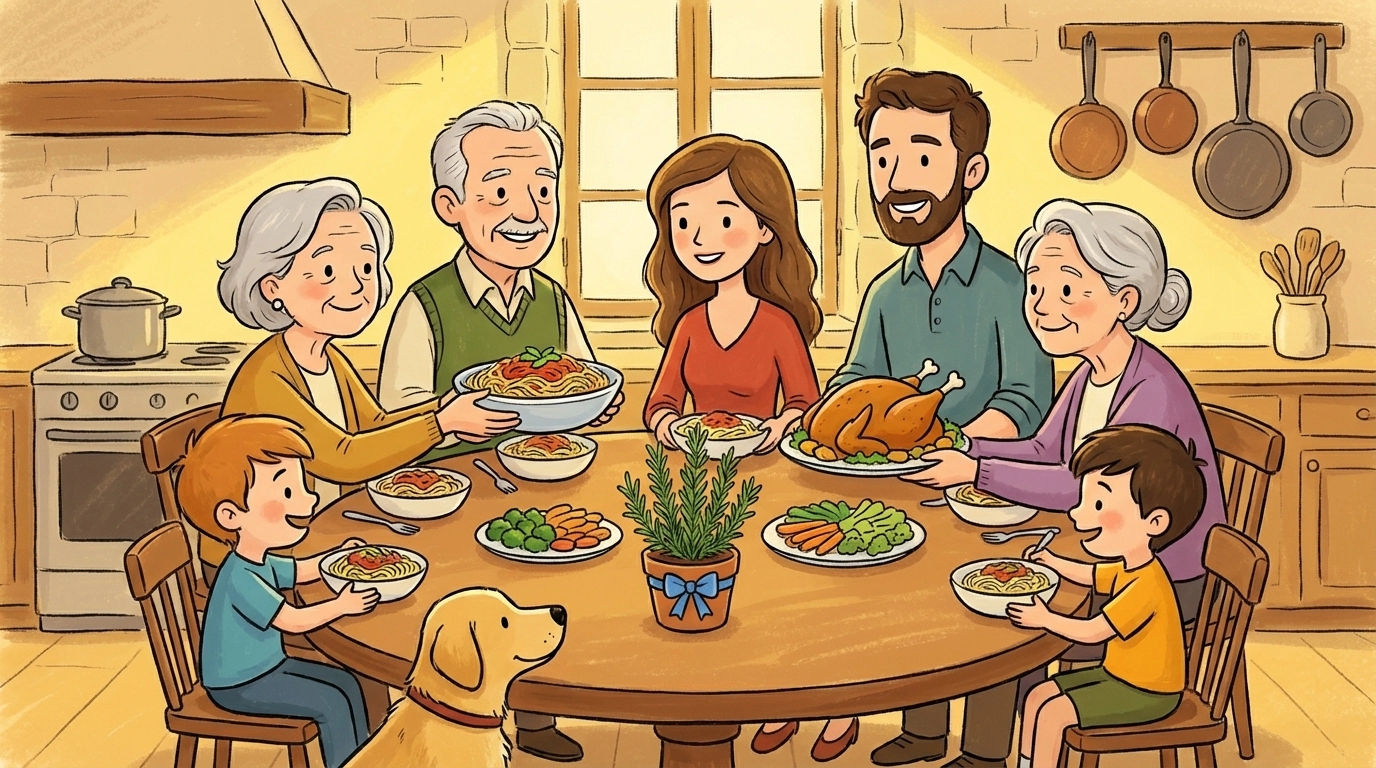
Stronger family connections. Cooking together, planning meals together, and eating together: these shared activities build bonds that go way beyond nutrition.
Community awareness. Kids who learn about food security often want to help others. They ask about food drives, community gardens, and ways to support neighbors.
Simple Starter Activities for This Week
Ready to jump in? Here are three things you can do in the next seven days:
Monday: At dinner, ask each family member: "What's one food you ate today, and where do you think it came from?"
Wednesday: Check the fridge together. Find one item that needs to be used soon and plan a meal around it.
Saturday: Visit a farmers market, community garden, or even watch a short video about how a local farm operates. Talk about what you learned on the drive home.
These small steps add up. You're not overhauling your family's entire approach to food overnight: you're planting seeds (pun intended) that grow over time.
The Bigger Picture
Teaching kids about food security isn't about scaring them or making them feel guilty about what they eat. It's about empowering them with knowledge that shapes how they think, choose, and act around food.
When children understand food security, meals stop being just about hunger and start being about health, connection, community, and gratitude. That shift ripples through your whole family.
And the best part? You don't need special tools or programs. You just need to start the conversation.
FAQ: Food Security for Kids (And How Families Can Help)
What is the simplest definition of food security for a child? It means always having enough healthy food to eat. Teaching kids how to grow their own food is like giving them a "superpower" to help ensure they always have access to fresh veggies.
How does gardening help with food security? It teaches kids where food comes from and how to be self-sufficient. Even a small window garden can provide a fresh snack and reduce reliance on the store.
Can one family really make a difference in food security? Absolutely. When a family grows their own food, they reduce waste and can even share extra harvest with neighbors or local food banks. Every little bit helps!
References:
- Food and Nutrition Service, USDA – Nutrition Education and Food Security
- National Farm to School Network – Farm to School Impact Research
- Journal of Nutrition Education and Behavior – Family-Level Behavior Change Through Child Nutrition Education