



Wild bird bingo transforms backyard bird watching into an interactive game.
The concept is simple. Spot birds. Mark them off. Complete a row to win.
This project combines three activities into one experience: building feeders, creating a spotter’s guide, and playing bingo outdoors.
The entire setup takes less than an hour. The game lasts all season.
What Is Wild Bird Bingo?
A grid-based game where each square contains a different bird species.
Players observe birds in real time. When a species appears, that square gets marked. Five in a row: horizontal, vertical, or diagonal: wins the round.
The game works in backyards, parks, nature trails, and schoolyards.
Bird bingo builds observation skills. It teaches patience. It introduces species identification without requiring memorization first.
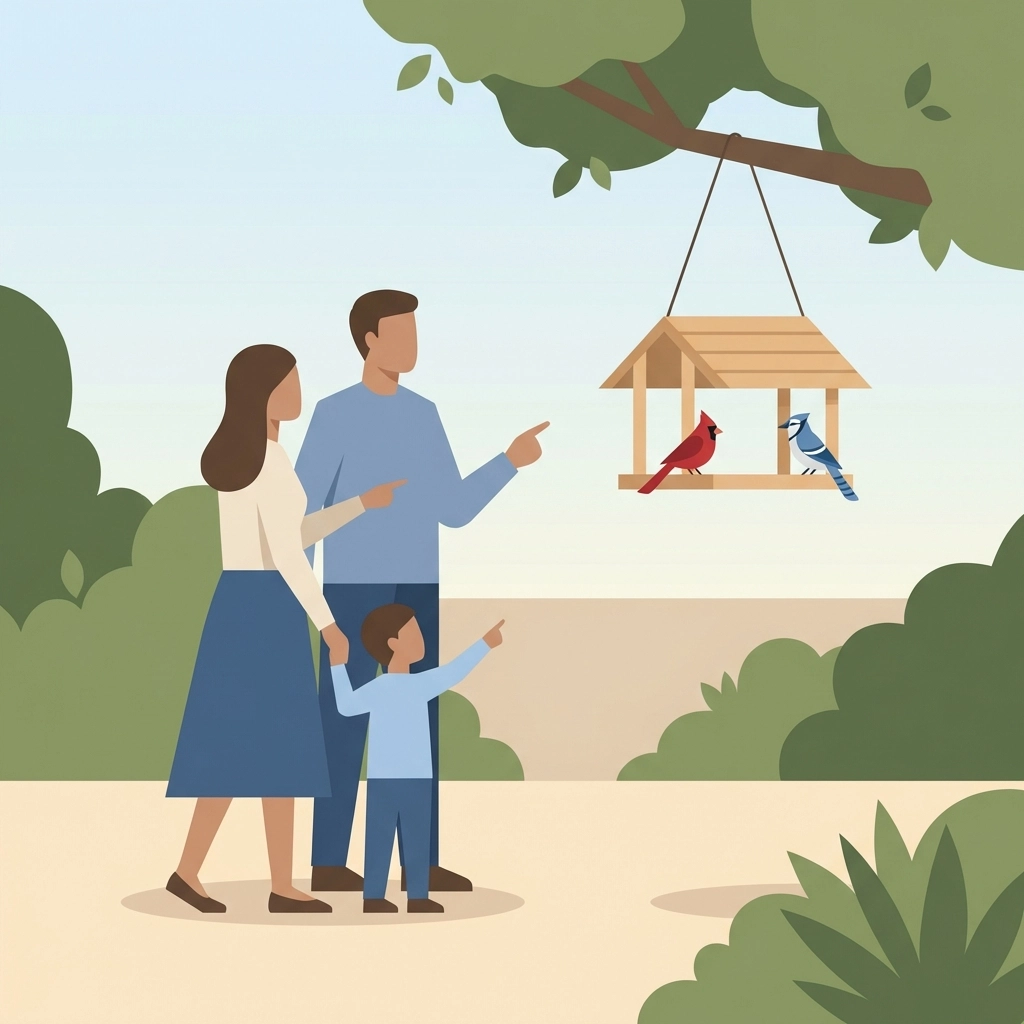
Why Combine Feeders with the Game?
Feeders attract birds to a specific location.
More birds in one area means faster gameplay. It also means more variety.
A feeder station creates a dedicated observation zone. Players know where to look. Birds know where to land.
The combination turns passive watching into active participation.
Materials Needed for Homemade Feeders
Basic supplies work best. No specialized tools required.
For a Pine Cone Feeder:
- Large pine cones (dry and open)
- Peanut butter or sunflower seed butter
- Birdseed mix
- Twine or string
For a Toilet Paper Roll Feeder:
- Empty cardboard tubes
- Peanut butter or seed butter
- Birdseed
- String for hanging
For a Plastic Bottle Feeder:
- Clean plastic bottle with cap
- Two wooden spoons or dowels
- Scissors or craft knife
- String or wire
For a Citrus Rind Feeder:
- Halved orange or grapefruit rinds (emptied)
- Three pieces of twine per rind
- Birdseed
All materials cost under ten dollars total.
How to Build a Pine Cone Feeder
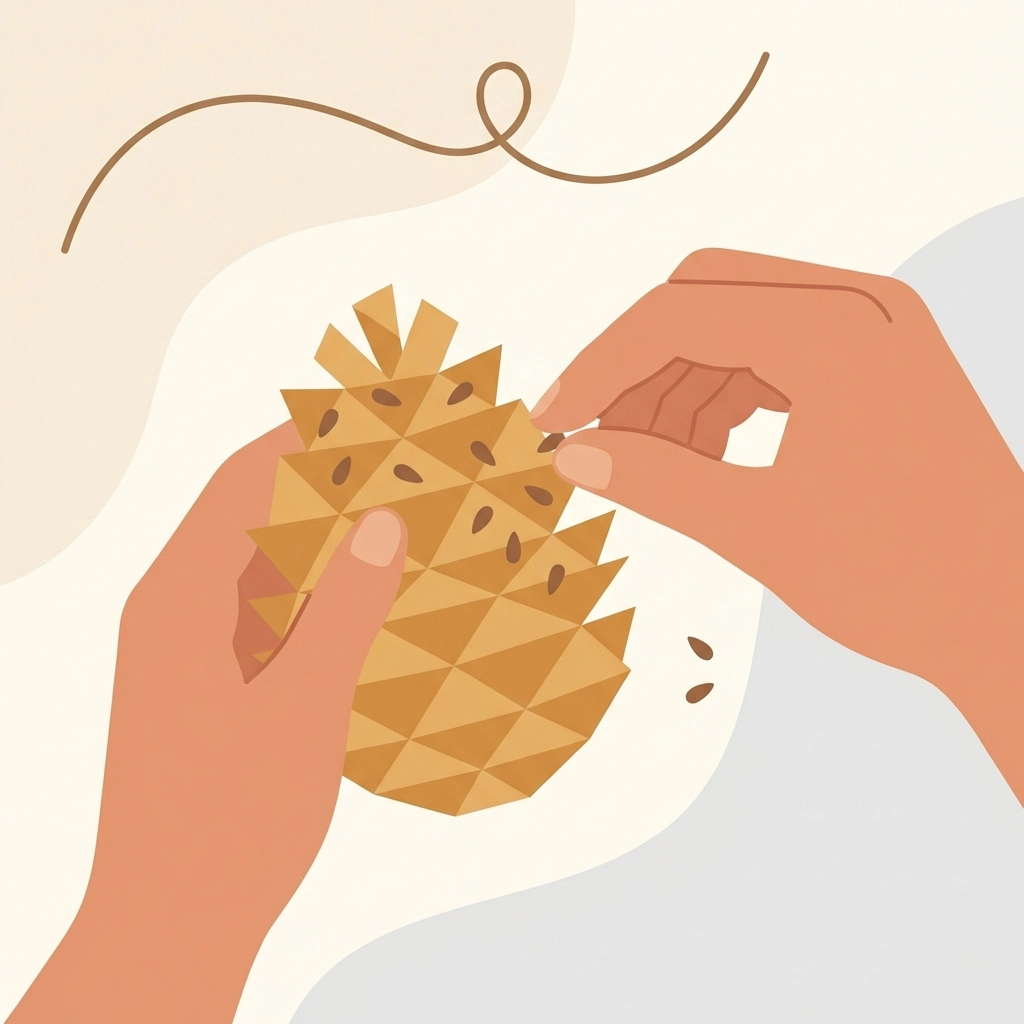
Step one: Tie twine around the top of the pine cone. Leave enough length for hanging.
Step two: Spread peanut butter or seed butter into all the crevices. Cover the entire surface.
Step three: Roll the coated pine cone in birdseed. Press seeds into the butter firmly.
Step four: Hang from a tree branch at least five feet off the ground.
The feeder lasts one to two weeks depending on bird activity and weather.
How to Build a Cardboard Tube Feeder
Step one: Punch two holes near the top of the tube, opposite each other.
Step two: Thread string through both holes. Tie ends together for hanging.
Step three: Coat the outside of the tube with peanut butter or seed butter.
Step four: Roll in birdseed until fully covered.
Step five: Hang from a branch or hook.
These feeders decompose naturally. Replace every few days for best results.
How to Build a Plastic Bottle Feeder
Step one: Cut two small holes on opposite sides of the bottle, about two inches from the bottom.
Step two: Push a wooden spoon or dowel through both holes. The handle side creates a perch. The spoon bowl catches fallen seeds.
Step three: Cut two more holes higher up. Insert a second spoon perpendicular to the first.
Step four: Poke small drainage holes in the bottom of the bottle.
Step five: Fill with birdseed through the top.
Step six: Replace the cap. Tie string around the neck for hanging.
This feeder holds more seed and requires less frequent refilling.
Creating a Bird Spotter’s Guide
A spotter’s guide helps players identify birds quickly.
The guide should include birds common to the local area. Regional accuracy matters.
Each entry needs:
- Bird name
- Small illustration or photo
- Two to three identifying features
- Typical size comparison
The Merlin Bird ID app from the Cornell Lab of Ornithology generates location-specific bird lists. Use this as a starting reference.
Focus on visible field marks:
- Head color or pattern
- Wing bars
- Beak shape and color
- Tail length
- Breast markings
Keep descriptions short. Players need to glance and confirm, not read paragraphs.
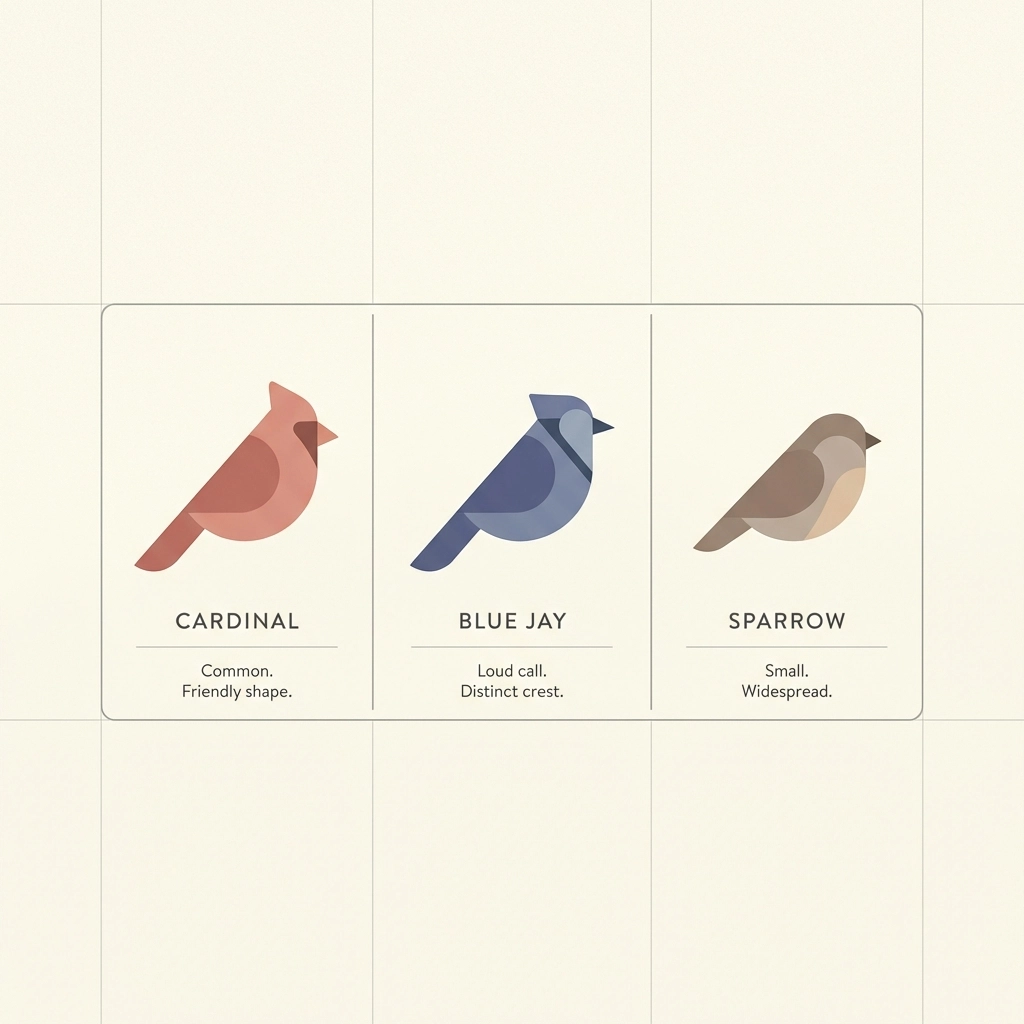
Sample Spotter’s Guide Entries
Northern Cardinal
- Bright red body (male) or brown with red tints (female)
- Pointed crest on head
- Orange-red beak
Blue Jay
- Blue wings and tail with white bars
- Gray-white chest
- Black necklace marking
American Robin
- Orange-red breast
- Dark gray back
- Yellow beak
House Sparrow
- Brown and gray streaked back
- Gray chest
- Small, thick beak
Mourning Dove
- Tan-gray body
- Long pointed tail
- Small head with thin beak
These five species appear in most North American backyards year-round.
How to Make Bird Bingo Cards
Create a 3×3 grid for beginners. A 5×5 grid works for experienced players.
Each square contains one bird species from the spotter’s guide.
Grid setup tips:
- Place common species in corners
- Put rare visitors in the center
- Mix flying birds with ground feeders
- Include at least one water bird if near a pond
Print multiple cards with different arrangements. This prevents ties.
Laminating cards allows reuse with dry-erase markers.
Printable Suggestions
Several organizations offer free downloadable bingo cards.
The U.S. Fish & Wildlife Service provides Birdwatcher Bingo cards at no cost.
Happy Beaks offers free printable bingo sheets designed for backyard use.
The Cornell Lab’s Merlin app helps generate custom lists for any location and season.
For classroom or group use, create a master template with blank squares. Participants draw their own birds based on the spotter’s guide. This adds an art component to the activity.
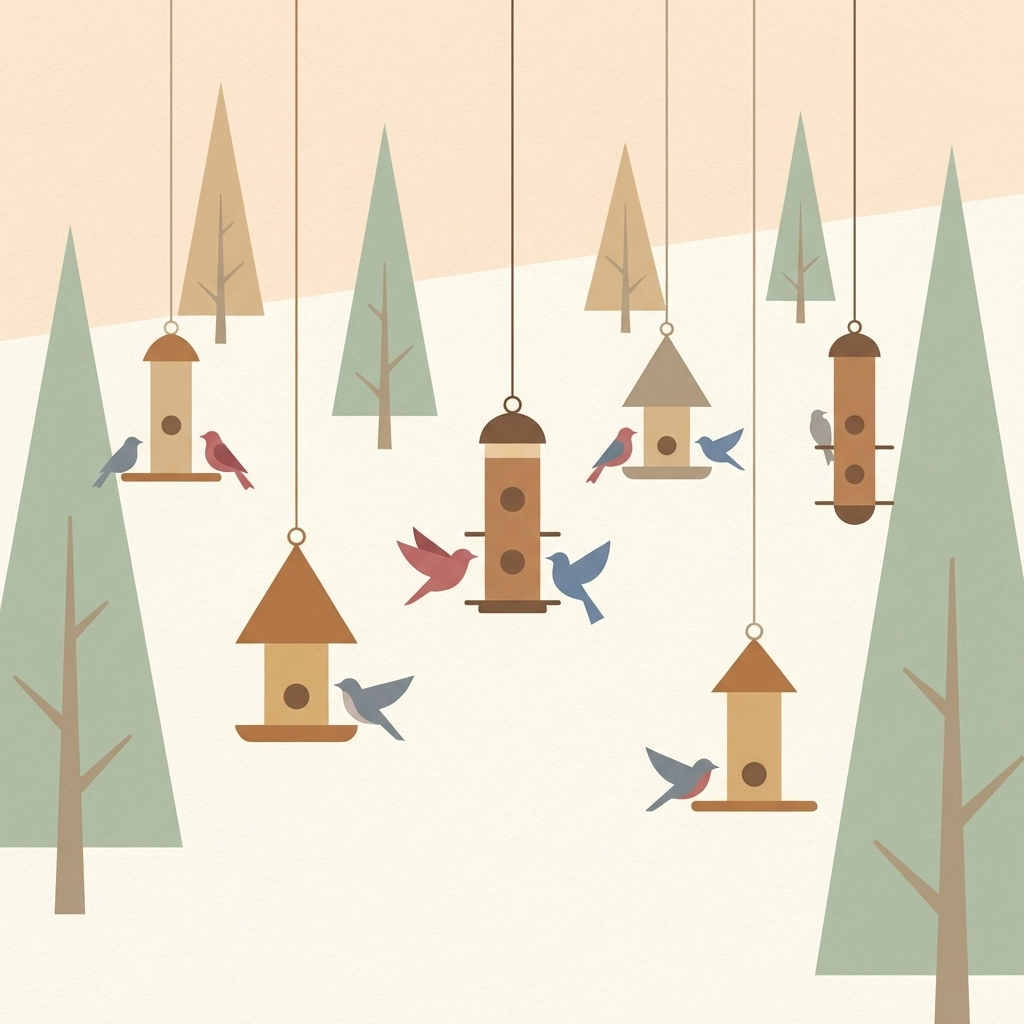
Game Rules and Variations
Standard Rules:
- Each player receives a different bingo card
- All players observe the same feeder area
- Mark a square when a bird lands or is clearly identified
- First player to complete five in a row calls “Bingo”
- Verify the win by confirming species identification
Blackout Variation:
- Fill every square on the card to win
- Takes longer but encourages extended observation
Team Play:
- Divide into teams of two or three
- Teams share one card
- Rotate who spots and who marks
Photo Documentation:
- Require a photo of each bird before marking
- Creates a record of sightings
- Adds a photography skill element
Best Times for Bird Watching
Early morning produces the most activity. Birds feed heavily in the first two hours after sunrise.
Late afternoon brings a second wave. Birds eat again before roosting.
Midday sees reduced activity. Most species rest during peak heat.
Overcast days often increase feeder visits. Birds feel less exposed without direct sunlight creating shadows.
Avoid windy days. Small birds struggle to land on swinging feeders.
Feeder Placement Tips
Height matters. Five to six feet off the ground keeps feeders accessible yet safe from ground predators.
Distance from windows prevents collisions. Place feeders either within three feet of glass or more than thirty feet away.
Near shrubs or trees gives birds escape routes. Open, exposed feeders see less traffic.
Multiple feeders spaced apart reduce competition. Territorial species share areas more easily.
Maintenance and Safety
Check feeders every two to three days.
Remove wet or moldy seed immediately. Spoiled seed causes illness in birds.
Clean feeders weekly with a diluted vinegar solution. Rinse thoroughly before refilling.
Replace cardboard and pine cone feeders when they show wear.
Keep feeders away from areas where cats can ambush.
What This Project Teaches
Species identification. Pattern recognition. Patience during observation.
Basic construction skills. Understanding of bird behavior. Environmental awareness.
The combination of building, learning, and playing creates layered engagement.
Wild bird bingo works for all ages. The difficulty scales with card complexity and species rarity.
One afternoon of preparation provides months of outdoor activity.