



Can You Really Grow Edible Flowers in a Vertical Garden?
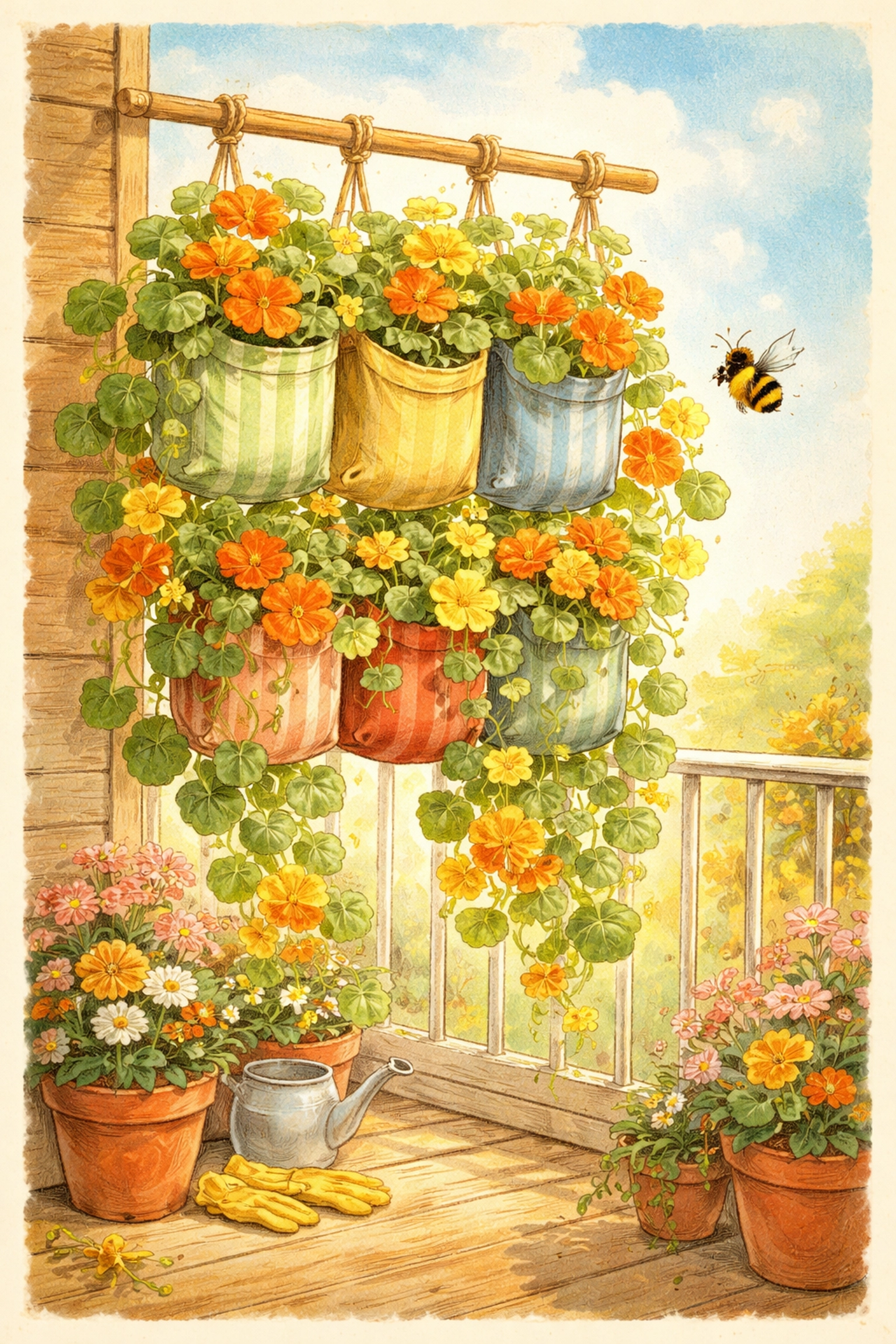
Absolutely! Growing edible flowers in a vertical garden is not only possible, it's one of the most rewarding projects you can do with your family. Vertical gardens let you maximize small spaces while adding beautiful, tasty blooms to your salads, desserts, and drinks. Many edible flowers actually prefer the conditions vertical setups provide: excellent drainage, good airflow, and easy access to sunlight.
Whether you're working with a sunny apartment balcony, a compact patio, or a small corner of your backyard, you can create a thriving vertical edible flower garden for under $10. Let's walk through exactly how to do it.
Why Grow Edible Flowers Vertically?
Vertical gardening combines space efficiency with culinary creativity. Here's why it works so well for edible flowers:
- Space-saving: Perfect for urban gardeners, renters, or anyone with limited square footage
- Better pest control: Elevated plants are harder for ground-dwelling pests to reach
- Improved airflow: Reduces risk of fungal diseases
- Easy harvesting: No bending or kneeling, kids can pick flowers at eye level
- Beautiful display: Turns a boring wall or fence into a living work of art
Best Edible Flowers for Vertical Gardens
Not every flower thrives vertically, but these varieties are perfect for wall-mounted pockets, hanging planters, and trellises:
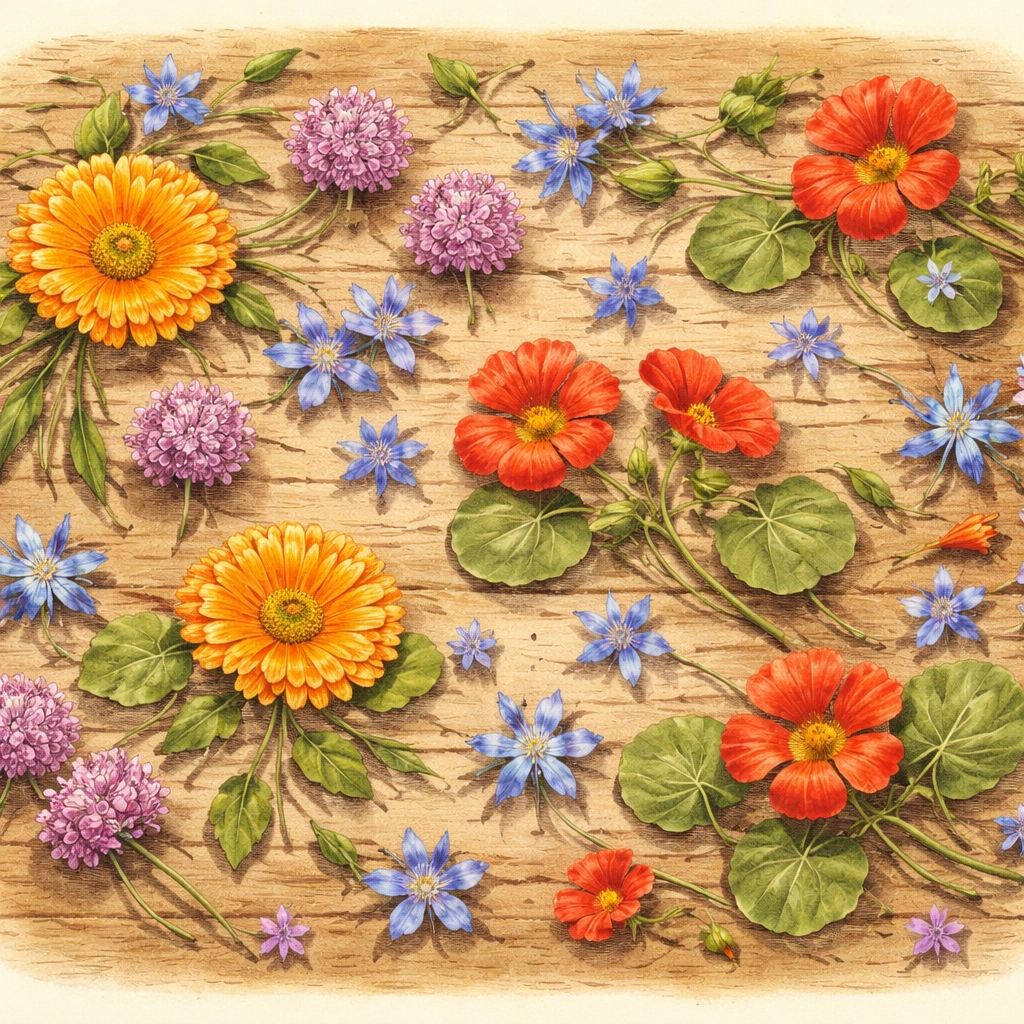
Compact Growers (Great for Pockets and Planters)
| Flower | Flavor Profile | Growing Notes |
|---|---|---|
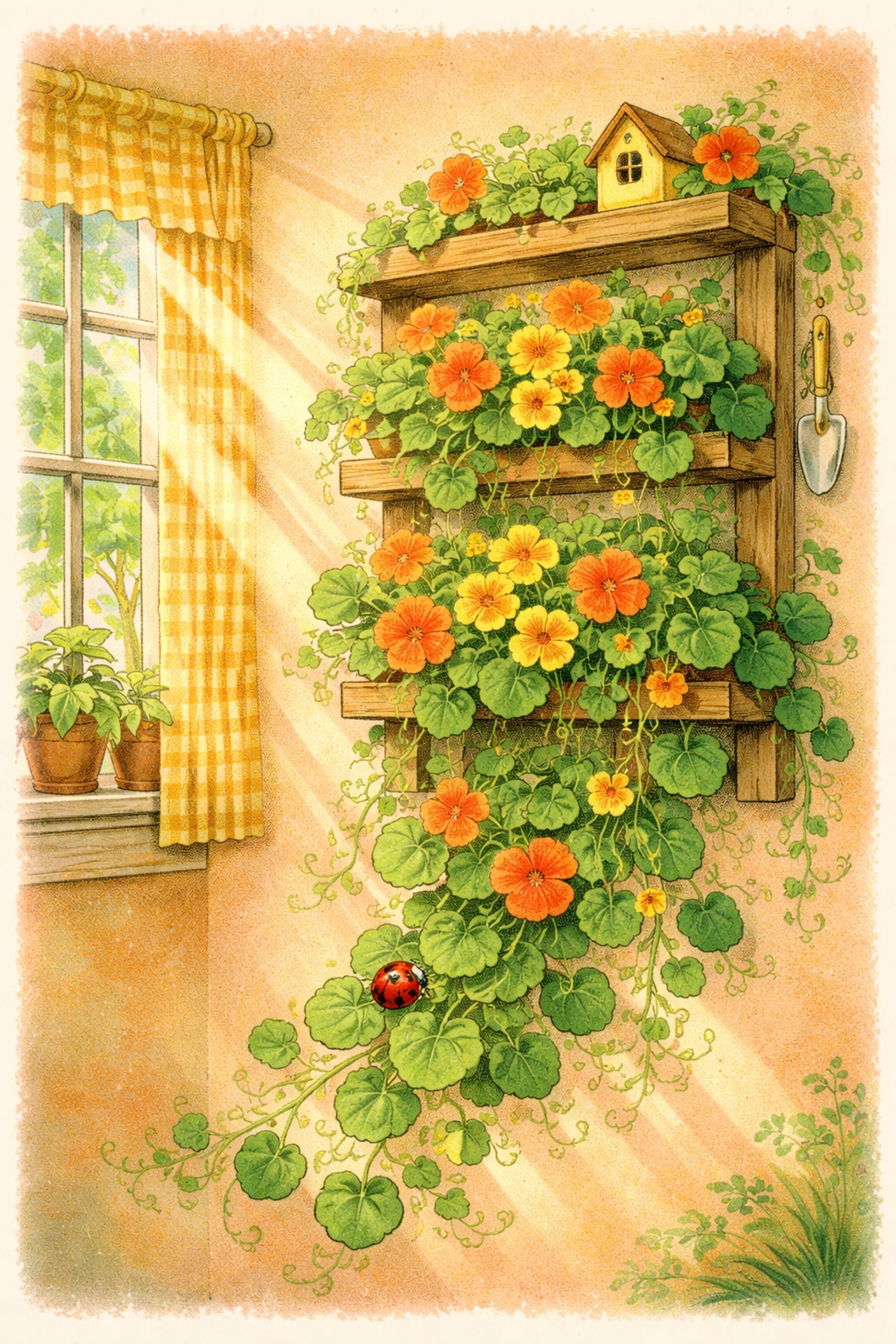
| Nasturtium | Peppery, slightly spicy | Trailing habit, perfect for hanging baskets |
| Calendula | Mildly tangy, saffron-like | Bright orange/yellow blooms; loves sun |
| Borage | Cucumber-like | Blue star-shaped flowers; attracts pollinators |
| Chives | Mild onion | Perennial; purple pom-pom flowers |
| Viola/Pansies | Sweet, mild | Cool-weather favorites; tons of colors |
Climbers and Trailers (Great for Trellises)
| Flower | Flavor Profile | Growing Notes |
|---|---|---|
| Squash blossoms | Slightly sweet | Needs support; can stuff and fry them |
| Passionflower | Mildly sweet | Vigorous vine; needs sturdy trellis |
| Lemon verbena | Citrusy | Can be trained upward with support |
Herb Flowers (Bonus Blooms!)
Don't forget that many herbs produce edible flowers too:
- Basil flowers taste like a milder version of the leaves
- Dill flowers have that classic pickle flavor
- Cilantro flowers are citrusy and bright
- Arugula blossoms pack a peppery punch
DIY Vertical Edible Flower Garden: Step-by-Step
Here's how to build your own vertical edible flower garden with your kids, all for under $10.
What You'll Need
| Item | Estimated Cost |
|---|---|
| Shoe organizer (fabric, over-the-door style) OR recycled plastic bottles | $0–$5 |
| Potting soil (small bag) | $3–$4 |
| Edible flower seeds (nasturtium, calendula, or viola) | $1–$3 per packet |
| Scissors or utility knife | $0 (household item) |
| Watering can or spray bottle | $0 (household item) |
| Total | Under $10 |
Step 1: Choose Your Vertical Structure
Option A: Fabric Shoe Organizer
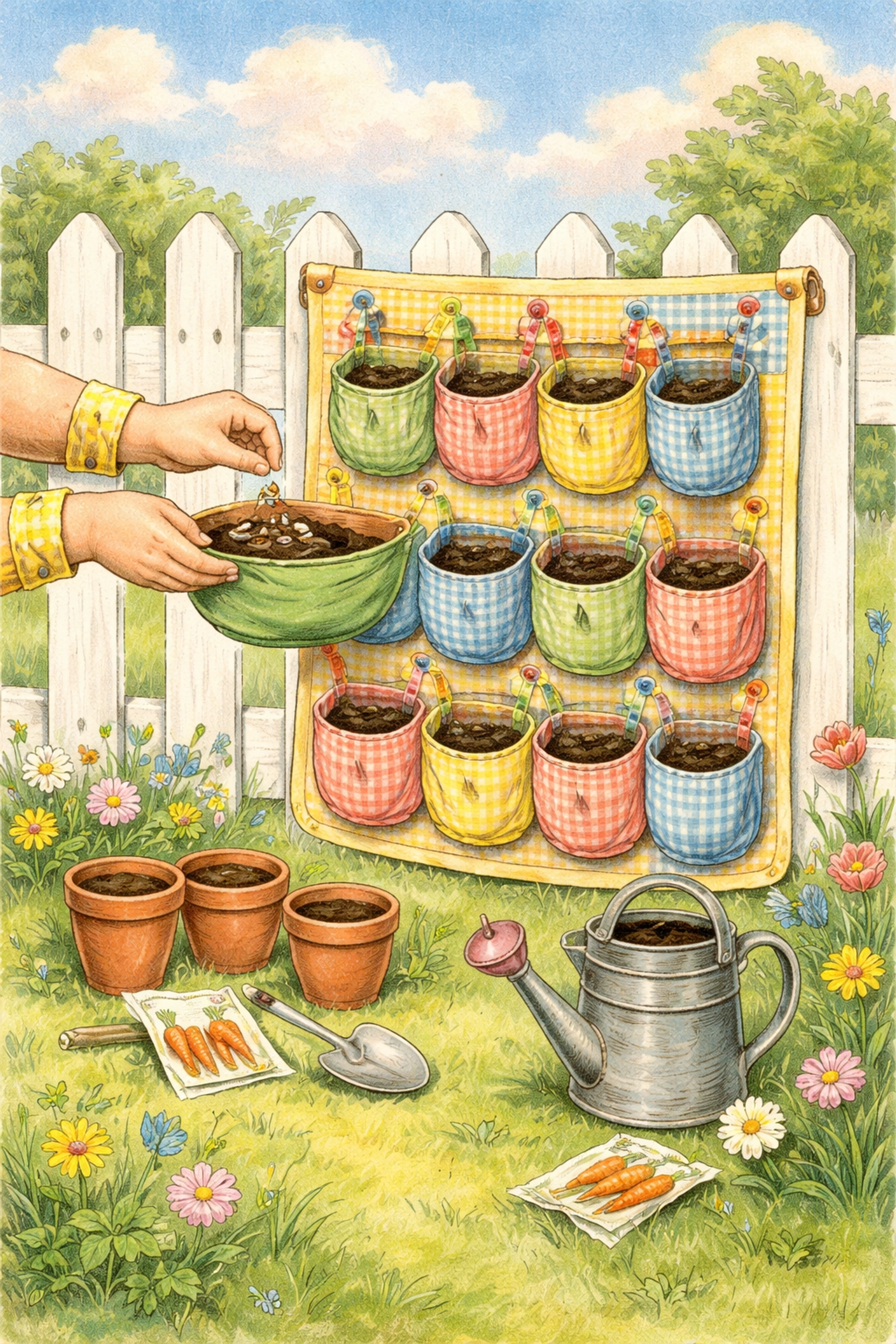
Hang a fabric shoe organizer on a sunny fence, wall, or door. The pockets become individual planters. Poke small drainage holes in the bottom of each pocket.
Option B: Recycled Bottle Planters
Cut plastic bottles in half horizontally. Poke drainage holes in the bottom. Attach them to a wooden pallet, fence, or wall using zip ties, screws, or strong twine.
Option C: Hanging Baskets
If you already have hanging baskets, these work wonderfully for trailing nasturtiums and violas.
Step 2: Prep Your Planting Pockets
Fill each pocket or container with well-draining potting soil. Leave about half an inch of space at the top to prevent water overflow. Avoid using garden soil, it compacts too much and drains poorly in containers.
Step 3: Plant Your Seeds (or Seedlings)
Starting from seed:
- Moisten the soil lightly before planting
- Press 2–3 seeds per pocket about ¼ inch deep
- Cover gently with soil
- Mist with water
Using seedlings:
- Gently remove seedlings from their starter containers
- Create a small hole in the soil
- Place the seedling and press soil firmly around the base
- Water thoroughly
Pro tip: For best results, start seeds indoors 4–6 weeks before your last frost date, then transplant to your vertical garden once seedlings are a few inches tall.
Step 4: Position for Sunlight
Most edible flowers need 6+ hours of direct sunlight daily. South-facing walls or fences work best. If you're limited to partial shade, try violas and borage, they're more shade-tolerant.
Step 5: Water Wisely
Vertical gardens dry out faster than traditional beds. Check soil moisture daily by sticking your finger an inch into the soil:
- Dry? Time to water.
- Moist? Check again tomorrow.
Water slowly from the top and let it trickle down. Avoid soaking the leaves, which can promote fungal growth.
Step 6: Harvest and Enjoy!
Most edible flowers are ready to harvest 6–8 weeks after planting. Pick flowers in the morning after the dew dries but before the heat of the day. This is when their flavor and fragrance are strongest.
Safety Tips for Edible Flowers
Growing your own edible flowers is the safest option because you control what goes on (and in) them. Here are essential safety guidelines:
- Never use pesticides or chemical fertilizers on flowers you plan to eat
- Identify flowers correctly, only eat flowers you're 100% certain are safe
- Avoid florist flowers, they're typically treated with chemicals not meant for consumption
- Wash flowers gently before eating
- Introduce new flowers slowly, some people have allergies to certain blooms
- Remove stamens and pistils from larger flowers (like squash blossoms) before eating, they can be bitter
Fun Ways to Use Your Edible Flowers
Once your vertical garden is producing, get the whole family involved in using your harvest:
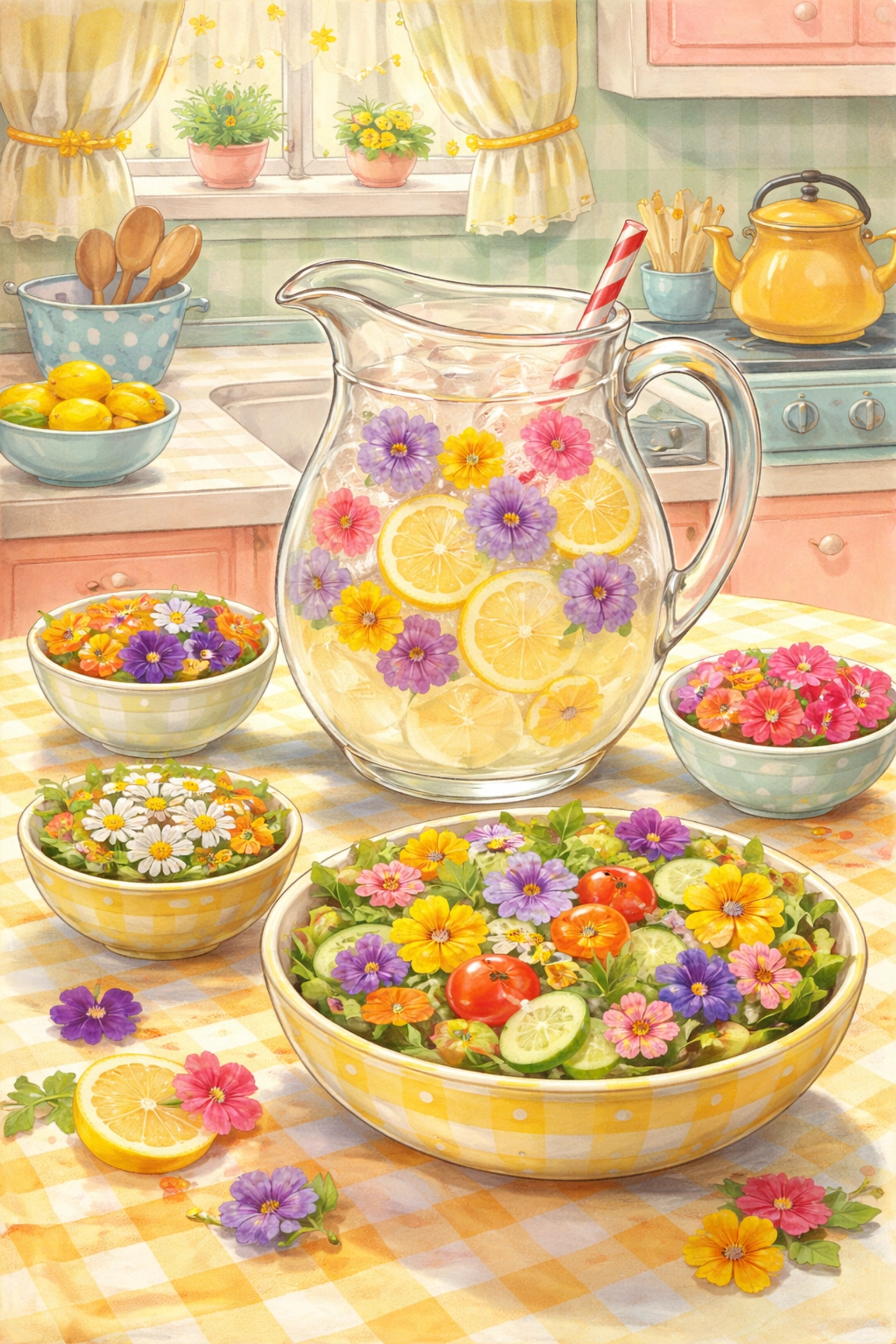
- Freeze flowers in ice cubes for fancy lemonade
- Top salads with colorful nasturtiums and violas
- Decorate cakes and cupcakes with fresh blooms
- Make flower butter by mixing soft butter with chopped petals
- Stuff squash blossoms with cream cheese and herbs
- Press flowers for art projects (though you won't eat these!)
Troubleshooting Common Problems
| Problem | Likely Cause | Solution |
|---|---|---|
| Yellow leaves | Overwatering or poor drainage | Let soil dry between waterings; check drainage holes |
| No flowers | Not enough sun | Move to sunnier location |
| Leggy plants | Insufficient light | Provide more direct sunlight |
| Pests (aphids) | Stressed plants or nearby infestations | Spray with diluted dish soap; attract ladybugs |
| Wilting | Underwatering (common in vertical setups) | Water more frequently; consider self-watering system |
For more tips on keeping plants hydrated, check out our guide on easy DIY watering solutions.
Frequently Asked Questions
Are all flowers edible?
No! Many common flowers are toxic. Only eat flowers that you've positively identified as safe, and only if they haven't been treated with chemicals.
Can I grow edible flowers indoors?
Yes, with enough light. Place your vertical garden near a south-facing window or use grow lights. Nasturtiums, violas, and chives adapt well to indoor growing.
How long do edible flowers last after picking?
Fresh edible flowers last 2–5 days when stored in a sealed container lined with a damp paper towel in the refrigerator.
What's the easiest edible flower for beginners?
Nasturtiums! They're nearly foolproof, germinate quickly, and produce abundant blooms all season long.
Can kids help with this project?
Absolutely. Planting seeds, watering, and harvesting flowers are all kid-friendly tasks. It's a fantastic way to teach children about where food comes from.
Do edible flowers need fertilizer?
Light feeding with organic compost or diluted liquid fertilizer once a month is usually enough. Over-fertilizing can reduce flower production.
When is the best time to plant edible flowers?
After your last spring frost for most varieties. Violas and pansies can be planted in early spring or fall since they prefer cooler weather.
Can I save seeds from my edible flowers?
Yes! Let some flowers go to seed at the end of the season. Collect dried seed heads, store in a cool dry place, and plant next year.
References
- University of Minnesota Extension – Edible Flowers
- Penn State Extension – Growing Edible Flowers
- National Gardening Association – Vertical Gardening Basics
- Colorado State University Extension – Edible Flowers
- Royal Horticultural Society – Growing Edible Flowers