

What Seeds Can I Start in February? (The Zone 6 Family Cheat Sheet)
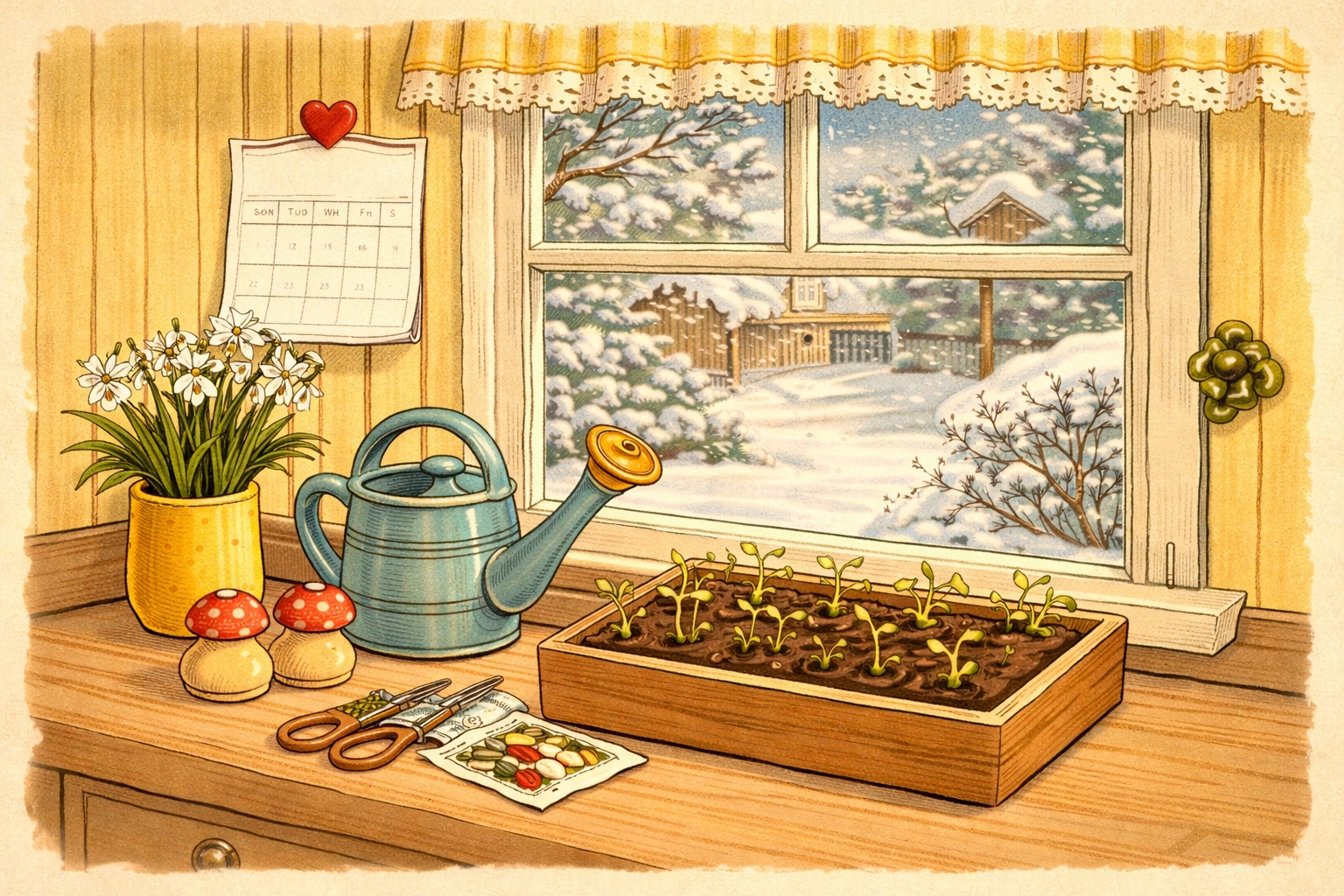
The quick answer: In Zone 6, February is the perfect time to start seeds that need a long head start, specifically onions, leeks, and peppers. These slow-growers need 8-12 weeks indoors before your last frost (around May 1st), which means starting them now gives them the runway they need to become strong, transplant-ready seedlings by spring.
If you've got kids at home or in a classroom, February seed starting is an amazing real-world lesson in patience, planning, and understanding how seasons actually work. Let's break it down.
Why Does February Matter for Zone 6?
Here's the thing about gardening in Zone 6: our growing season has a hard deadline. That last frost date hovers right around May 1st (give or take a week depending on your microclimate). So when you're planning what to grow, you have to count backwards from that date.
Some seeds, like beans or cucumbers, germinate fast and grow like weeds. You can start those just a few weeks before transplanting. But other plants? They're the tortoises of the vegetable world. They need months of indoor growing time before they're ready to face the outdoors.
That's where February comes in. It's the launch window for your slowest growers.
The "Slow Squad": Seeds That Need a Head Start
These three categories are your February priorities. They all share one thing in common: they take their sweet time.
1. Onions (Start Early February)
Onions are notoriously slow. From seed to transplant-ready seedling, you're looking at 10-12 weeks. That means if you want to plant onions outside in early May, you need to get those seeds in soil during the first week of February.
What kids learn: Onions are a great example of delayed gratification. They won't look like much for weeks, just skinny green shoots. But by May, those little "grass blades" will have developed root systems strong enough to grow into full-sized bulbs by summer's end.
Pro tip: Onion seedlings can handle a "haircut." Once they reach about 5 inches tall, trim them back to 3 inches. This encourages thicker stems and stronger roots. Kids love this part, it feels like giving your plants a spa day.
2. Leeks (Start Early to Mid-February)
Leeks are onion's fancy cousin. They grow even slower and need about 10-12 weeks indoors before transplanting. Start them in early February alongside your onions.
What kids learn: Leeks teach the concept of "blanching", not the cooking kind, but the gardening kind. As leeks grow, you mound soil around their stems to keep them white and tender. It's a hands-on technique that shows how farmers manipulate growing conditions to change how food turns out.
Pro tip: Leeks are incredibly cold-hardy. They can actually stay in the ground well into fall and even early winter in Zone 6, which makes them a perfect "long game" crop for teaching kids about season extension.
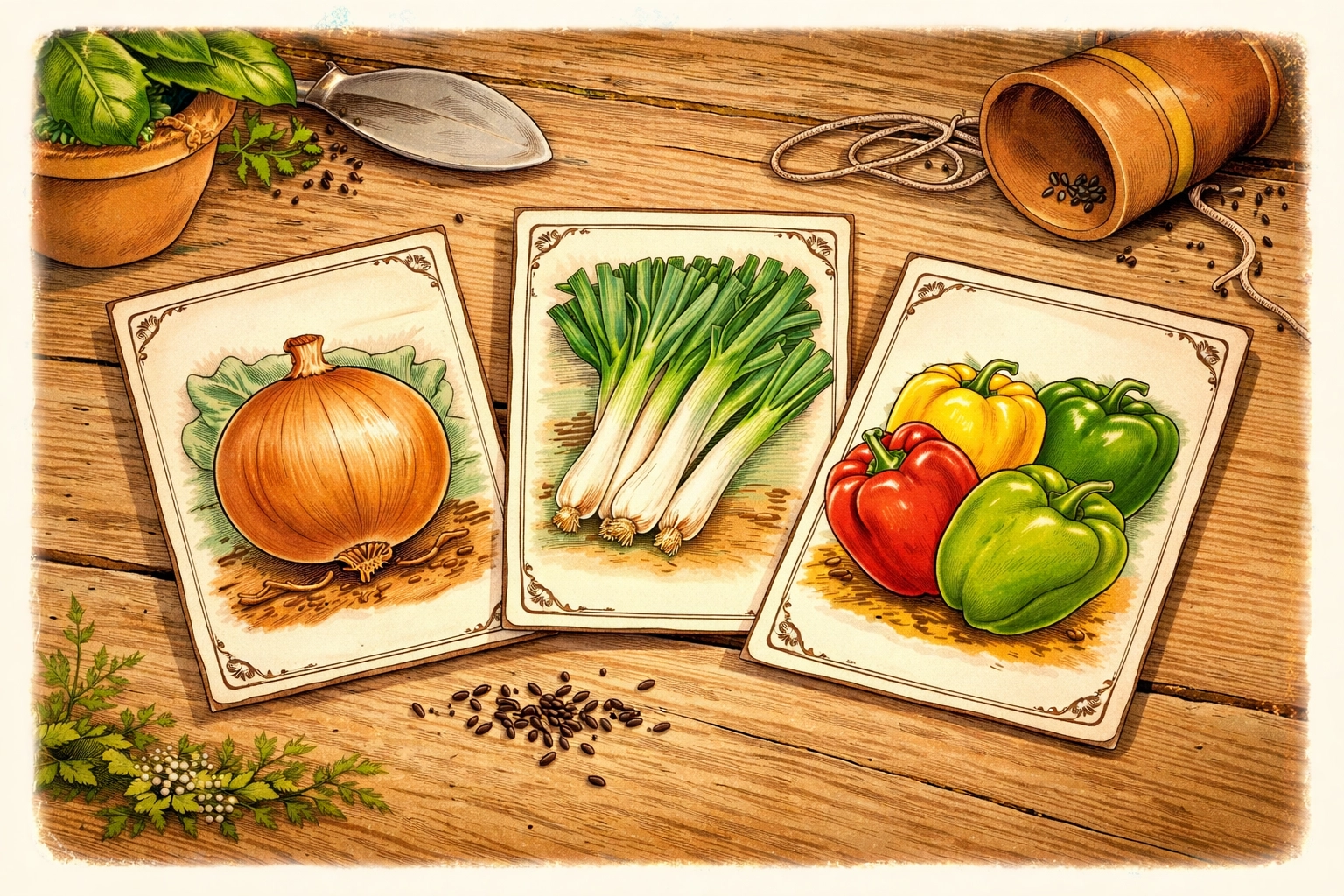
3. Peppers (Start Mid-February)
Peppers, especially bell peppers and hot peppers, are warmth-loving plants that need 8-10 weeks of indoor growing time. They also require warm soil to germinate (75-86°F is the sweet spot), which is why starting them indoors in February is essential.
What kids learn: Peppers are a great lesson in temperature requirements. Unlike onions and leeks (which tolerate cold), peppers are tropical plants. They won't even germinate if the soil is too cold. This opens up conversations about where our food originally comes from and why different plants have different needs.
Pro tip: If your house runs cool, place your pepper seed trays on top of the refrigerator or use a simple seedling heat mat. Consistent warmth is the secret to getting peppers to sprout in 7-14 days instead of... never.
The February Planting Calendar for Zone 6
Here's a simple week-by-week breakdown you can stick on your fridge:
| Week | What to Start |
|---|---|
| Week 1 (Early Feb) | Onions, leeks, celery |
| Week 2 (Early-Mid Feb) | Peppers (bell and hot varieties) |
| Week 3 (Mid Feb) | Eggplant, early herbs (oregano, thyme, rosemary) |
| Week 4 (Late Feb) | Broccoli, cabbage, cauliflower, kale |
Notice how the month builds? You're starting with the absolute slowest growers and gradually adding faster crops as you get closer to March.
What Should You NOT Start in February?
Just as important as knowing what to plant is knowing what to leave alone. These seeds should stay in the packet for now:
- Tomatoes: Wait until mid-March. They grow fast and will get leggy if started too early.
- Basil: This herb hates cold and needs warm conditions. April is your month.
- Beans, cucumbers, squash, melons: These are direct-sow crops or late-spring starters. Starting them in February is a recipe for sad, overgrown seedlings with nowhere to go.
The temptation to start everything at once is real, especially when you're excited about the growing season. But trust me, restraint now saves headaches later.
Setting Up for Success: Quick Tips
You don't need fancy equipment to start seeds in February. Here's the bare minimum:
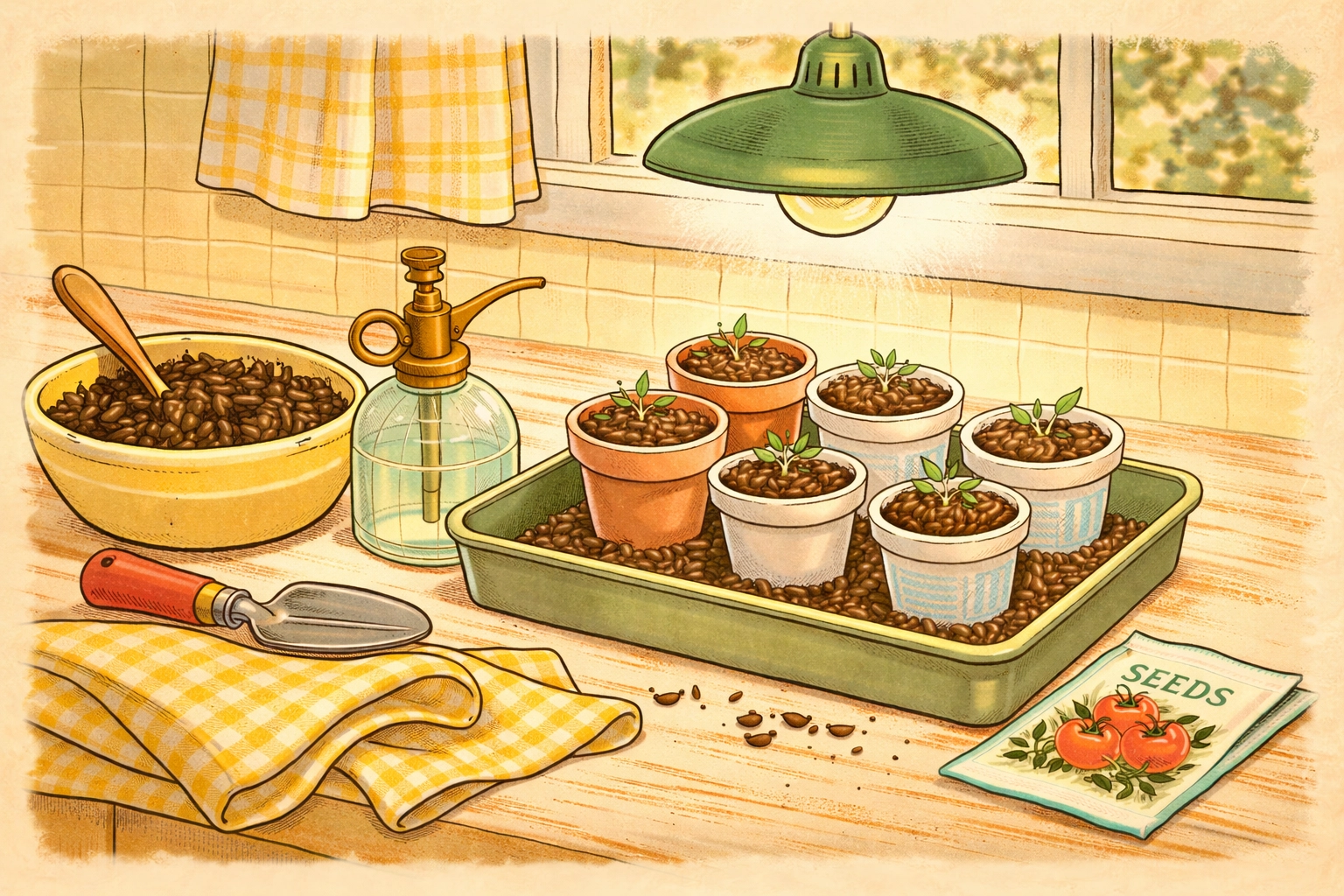
Containers: Clean yogurt cups, egg cartons (the cardboard kind), or inexpensive seed trays all work. Just make sure there are drainage holes.
Soil: Use a seed-starting mix, not garden soil. Seed-starting mix is lighter and drains better, which prevents the dreaded "damping off" fungus that kills seedlings.
Light: This is the big one. February days are short, and windowsill light usually isn't enough. If your seedlings start stretching toward the light and getting tall and floppy, they need more. A basic shop light hung a few inches above your trays makes a huge difference.
Water: Keep the soil consistently moist but not soggy. A spray bottle works great for gentle watering without disturbing tiny seeds.
The Educational Angle: Teaching Kids About Timing
February seed starting is a perfect opportunity to teach kids about growing seasons and planning ahead. Here are a few conversation starters:
-
"Why can't we just plant these outside right now?" (Answer: The ground is frozen and it's too cold. These plants would die.)
-
"Why do onions need so much more time than tomatoes?" (Answer: Different plants grow at different speeds, just like how some kids grow faster than others.)
-
"What would happen if we started peppers in April instead?" (Answer: They wouldn't have enough time to grow and produce peppers before the cold weather comes back in fall.)
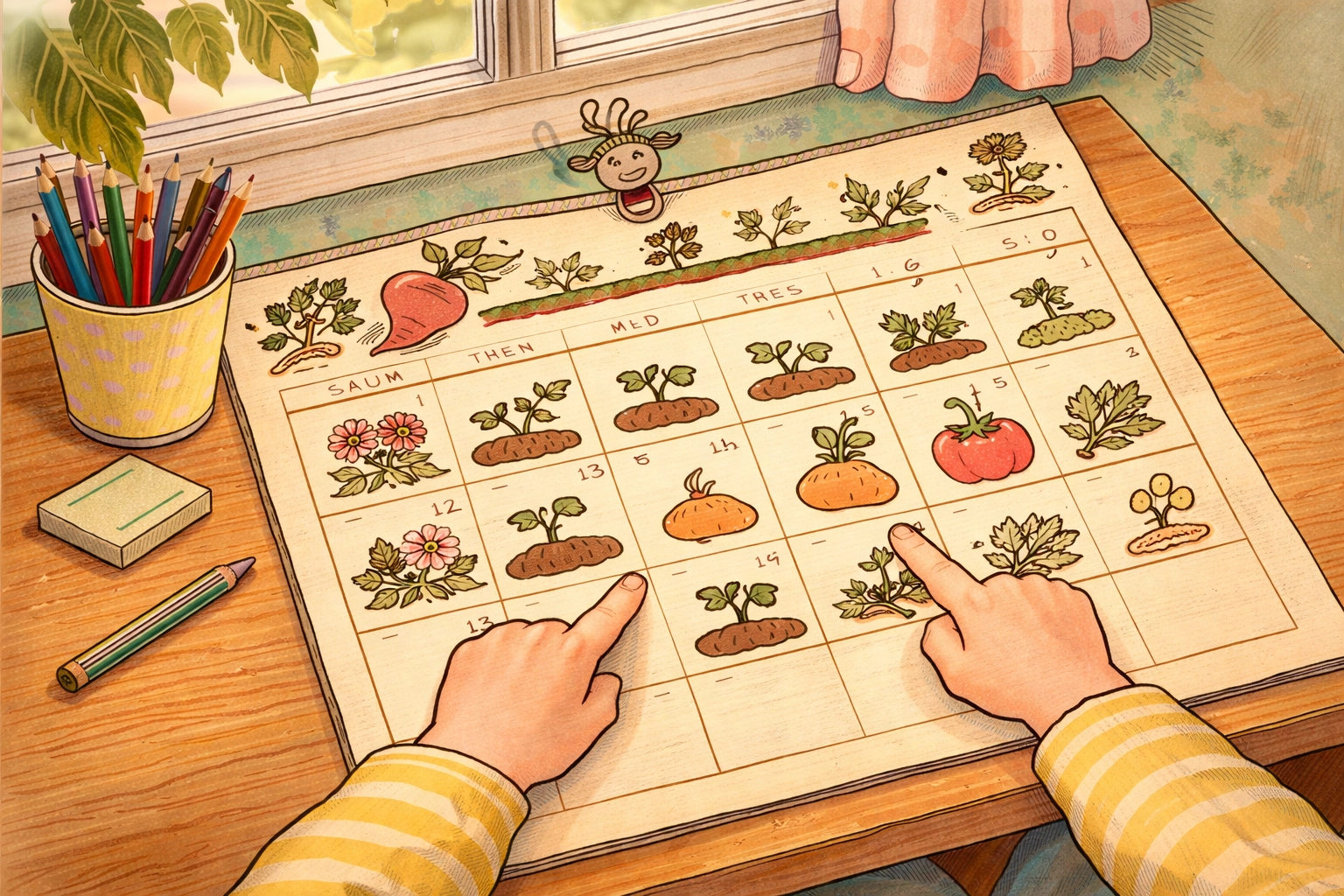
You can even pull out a calendar and count backwards together. "Okay, last frost is May 1st. Peppers need 8 weeks. Let's count back... that's the first week of March at the latest. But if we want bigger plants, we should start in mid-February."
This kind of backwards planning is a life skill that extends way beyond gardening.
Your February Action List
Let's make this simple. Here's what to do this week:
- Grab your seeds. Focus on onions, leeks, and peppers for now.
- Check your supplies. Seed-starting mix, containers with drainage, and a light source.
- Pick a spot. Somewhere warm (especially for peppers) where you can check on them daily.
- Start planting. Onions and leeks first, peppers in week two.
- Mark your calendar. Note your start dates so you can track progress.
References
- General seed starting temperatures and germination times for Zone 6 vegetables.
- Recommended planting schedules based on 8-10 week lead times before last frost.
- Zone 6 last frost date averages (approximately May 1st- May 15th).