



The short answer: You can grow your very own prehistoric-looking "Dinosaur Fern" garden by placing a Resurrection Plant (Selaginella lepidophylla) in a shallow dish of water and watching it magically unfurl from a dried-up brown ball into a lush, green, living thing, all within 24 hours. It thrives in low light, costs under $5, and is practically impossible to kill. Perfect for bedrooms, perfect for kids, and perfect for anyone who's ever forgotten to water a plant (we've all been there).
Why Kids Go Absolutely Bonkers for This Plant
Here's the thing about the Dinosaur Fern: it looks dead. Like, really dead. When you first get it, it's a shriveled, brown, crispy ball that resembles something a cat coughed up. Not exactly what you'd call "Instagram-worthy."
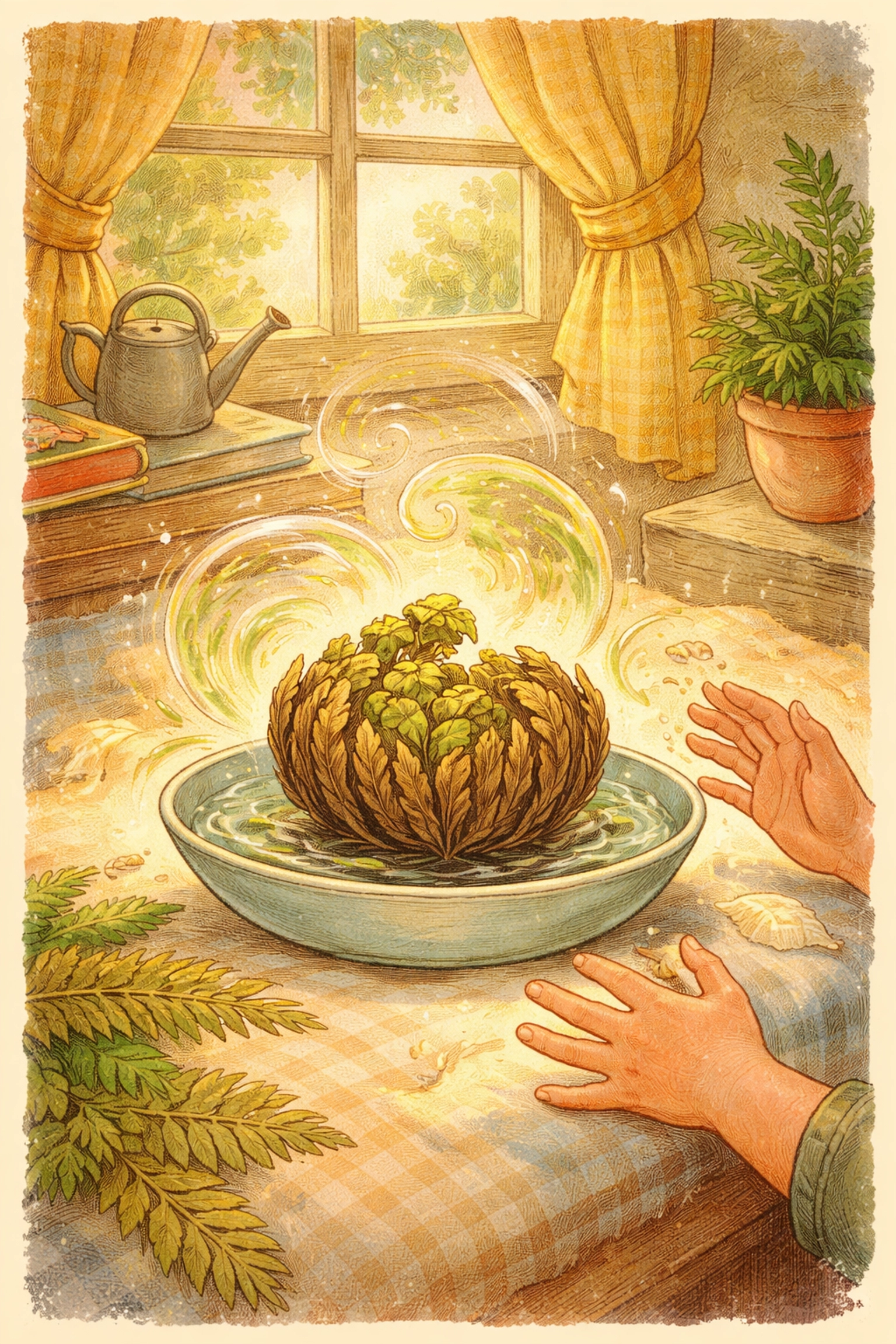
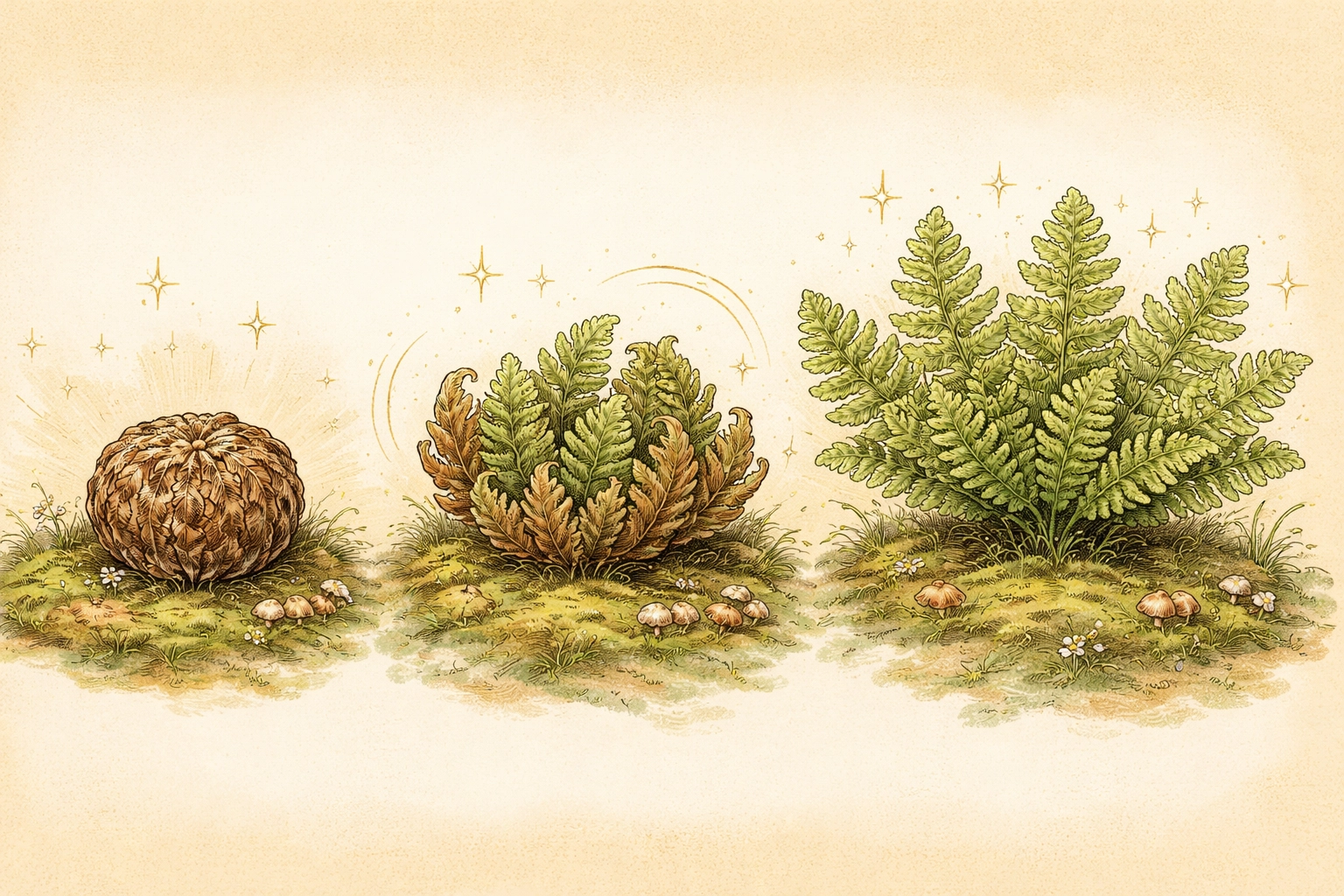
But drop that little tumbleweed into a dish of water, and within hours, it starts doing something miraculous. It unfurls. It turns green. It comes back to life like a tiny plant zombie rising from the grave.
This isn't magic, it's science. And kids absolutely lose their minds over it.
The Dinosaur Fern earned its nickname because this ancient plant family has been around for over 300 million years. That means these little guys were chilling on Earth back when actual dinosaurs were stomping around. Some scientists believe these plants can survive without water for over 100 years and still bounce back after a single good soak. Now that's resilience.
What You'll Need (Budget: Under $10)
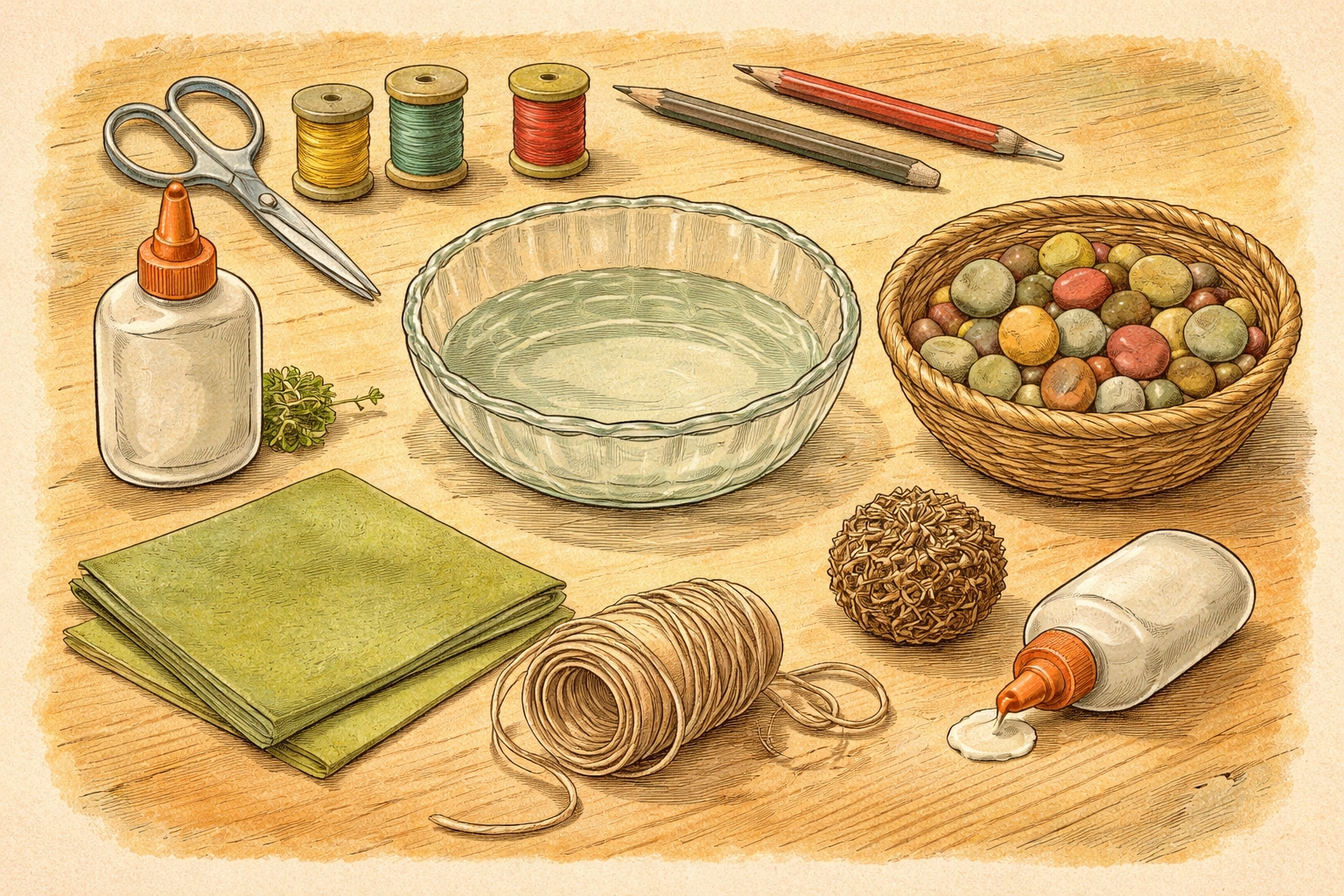
Let's keep this simple and wallet-friendly. Here's your shopping list:
| Item | Estimated Cost |
|---|---|
| Resurrection Plant (Dinosaur Fern) | $3–$6 |
| Shallow dish, bowl, or saucer | Free (raid your kitchen) |
| Small pebbles or decorative rocks | $1–$2 (or free from outside) |
| Optional: Clear glass container for terrarium look | $1–$3 (thrift store find) |
Total cost: $5–$10, depending on how fancy you want to get.
You can find Resurrection Plants at garden centers, online plant shops, or even some craft stores. They're often sold in their dried, dormant state, which is actually ideal for shipping and storage.
Step-by-Step: Building Your Bedroom Dinosaur Garden
Step 1: Choose Your Container
Grab a shallow dish, a clear glass bowl, or even an old ceramic saucer. The Dinosaur Fern doesn't need deep soil or a fancy pot. It's happy sitting in a bit of water like it's lounging at a tiny plant spa.
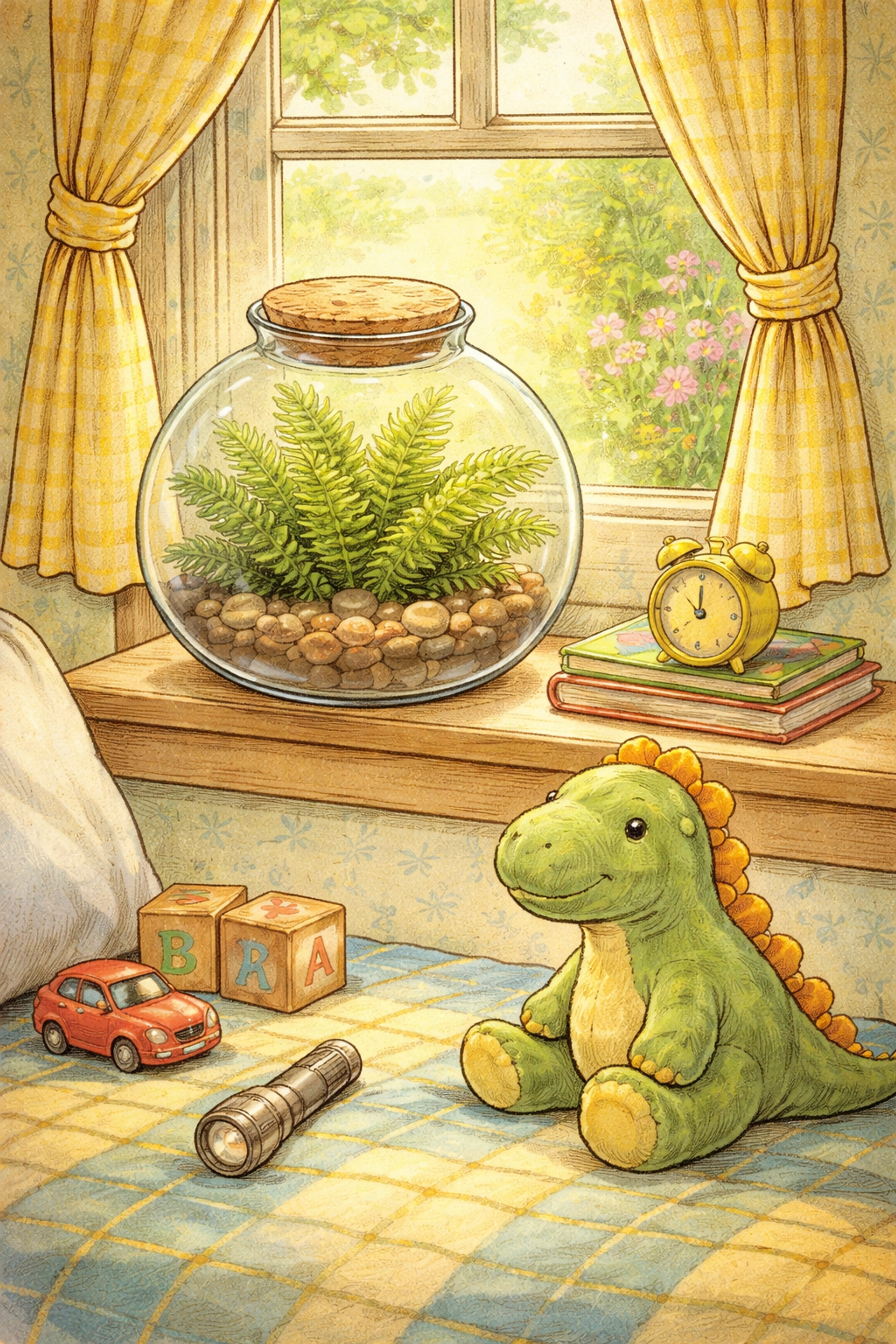
If you want to create a more dramatic "Jurassic terrarium" look, use a clear glass container. You can find these at thrift stores for a dollar or two. Just make sure it doesn't have an airtight lid, these plants like some airflow.
Step 2: Add Some Pebbles (Optional but Fun)
Spread a thin layer of small pebbles or decorative rocks at the bottom of your container. This gives your Dinosaur Fern a little pedestal and makes the whole setup look more like a prehistoric landscape.
Kids can get creative here, arrange the rocks like a tiny mountain range or create a little "dinosaur habitat" around the plant.
Step 3: Place Your Dried Fern
Take your dried Resurrection Plant and nestle it right on top of the pebbles or directly in the dish. At this point, it probably looks like a sad, forgotten tumbleweed. That's okay. That's the magic part.
Step 4: Add Room-Temperature Water
Pour room-temperature water into the dish, just enough to cover the bottom of the plant. Don't drown it; about half an inch of water is plenty.
Now here's where the fun begins: set a timer, grab some snacks, and watch.
Step 5: Watch the Magic Happen
Within the first hour, you'll notice the outer fronds starting to loosen. By hour three or four, the plant will be noticeably greener and more open. By the 24-hour mark? You'll have a fully unfurled, vibrant green Dinosaur Fern that looks like it belongs in a rainforest.
This is the perfect opportunity to talk with kids about plant biology, drought adaptation, and how living things survive in harsh environments. Or you can just say, "Whoa, cool!" and take photos. Both approaches work.
Caring for Your Dinosaur Fern Garden
Good news: this plant is ridiculously low-maintenance. Here's how to keep it happy in your bedroom:
Light: Dinosaur Ferns actually prefer shade. A bedroom with indirect light or even low light is perfect. Keep it away from direct sunlight, which can stress the plant.
Water: Keep the dish filled with about half an inch of water. Check it every few days and top it off as needed. If you forget? No big deal, the plant will just curl back up and wait patiently for you to remember.
Humidity: These ferns like humidity, but they'll tolerate normal bedroom air just fine. If your room gets really dry in winter (hello, heating season), you can mist the plant occasionally or place it in a glass terrarium with a loose lid to trap some moisture.
Temperature: Keep your Dinosaur Fern in a room that stays between 65–85°F. Avoid placing it near cold drafts or heating vents.
Feeding: A tiny bit of diluted liquid fertilizer once a month during spring and summer will keep your fern extra happy, but it's not required.
The "Dormancy Trick" (A Fun Experiment for Kids)
Here's a cool project: intentionally let your Dinosaur Fern go dormant.
Simply stop watering it. Over a few days, it will curl back up into its dried, brown ball state. It's not dead, it's just napping.
You can store it like this for weeks, months, or even years. Then, when you're ready for another "resurrection," just add water and watch it spring back to life all over again.
Some families turn this into a seasonal tradition, letting the plant sleep during winter and "waking it up" in spring. It's like having a pet that doesn't need a sitter when you go on vacation.
If you're heading out of town and worried about your other plants, check out our guide on easy DIYs to keep plants watered when kids are away.
Fun Dino-Fern Facts to Share with Kids
- Ancient ancestors: The Selaginella family has been around for over 300 million years, that's before T-Rex, before Triceratops, before basically everything.
- Desert survivor: In the wild, these plants live in deserts and roll like tumbleweeds until they find water.
- Also called: Rose of Jericho, Resurrection Plant, or "the plant that won't die."
- Record holder: Some sources claim these plants can survive up to 100 years in their dried state and still revive.
Frequently Asked Questions
Is the Dinosaur Fern safe for pets?
Yes! Resurrection Plants are non-toxic to cats and dogs, making them a safe choice for bedrooms in pet-friendly homes.
Can I plant my Dinosaur Fern in soil instead of water?
Absolutely. You can plant it in moist, well-draining soil. Just keep the soil consistently damp but not waterlogged.
How long does it take for the fern to fully open?
Most plants unfurl completely within 24 hours of being placed in water. You'll see noticeable changes within the first few hours.
Will my Dinosaur Fern grow bigger over time?
Growth is very slow. These plants stay relatively small, usually 4–6 inches in diameter when fully open.
Can I have more than one in the same dish?
Yes! You can create a little "fern forest" by grouping several Resurrection Plants together in a larger container.
What if my fern stays brown after watering?
Give it time, some plants take longer to revive, especially if they've been dormant for years. If it doesn't green up after 48 hours, it may have reached the end of its very long life.
Do Dinosaur Ferns flower?
No, they don't produce flowers. They reproduce through spores, like other ferns.
Can kids handle the dried plant?
Yes! The dried fern is lightweight and sturdy. Kids can safely hold it, examine it, and place it in water themselves.
Where's the best place to buy one?
Check local garden centers, online plant retailers, or craft stores. They're often sold in multipacks for under $10.
References
- Plant care guidelines adapted from horticultural research on Selaginella lepidophylla
- Historical plant data from paleobotany studies on ancient Selaginella species