




The short answer: Grow milkweed! Those fluffy, cotton candy-like seed pods that burst open in autumn belong to the milkweed plant, and it's the only food source for Monarch butterfly caterpillars. You can start a milkweed patch with your kids for under $10, and within a single growing season, you'll have a certified Monarch pit stop right in your backyard.
Why Do People Call Milkweed "Cotton Candy?"
If you've ever seen a milkweed pod crack open in late summer, you already know the answer. Inside each pod are dozens of seeds attached to the silkiest, fluffiest white fibers you've ever touched. When the wind catches them, they float away like tiny parachutes made of spun sugar. Kids absolutely love pulling apart these pods and watching the seeds drift across the yard.
But here's the really magical part: those humble milkweed plants are the entire reason Monarch butterflies exist. Female Monarchs lay their eggs exclusively on milkweed leaves. When the tiny caterpillars hatch, they munch on those leaves (and only those leaves) until they're plump enough to form a chrysalis. No milkweed? No Monarchs. It's that simple.
And the good news? Milkweed is one of the easiest plants to grow. It's a native wildflower that wants to thrive in your yard with almost zero fuss.

What You'll Need (Budget: Under $10)
Here's your shopping list for this family-friendly project:
| Item | Estimated Cost |
|---|---|
| Milkweed seed packet (native variety) | $3–$5 |
| Small peat pots or recycled containers | $0–$2 |
| Seed-starting soil | $3–$4 |
| Plastic wrap or a clear lid | Free (from your kitchen) |
| Spray bottle | Free (reuse one you have) |
Total: Around $6–$10
You can often find milkweed seeds at local garden centers, native plant nurseries, or online. Look for varieties native to your region, Common Milkweed (Asclepias syriaca), Swamp Milkweed (Asclepias incarnosa), or Butterfly Weed (Asclepias tuberosa) are all fantastic choices.
Step-by-Step: Growing Your Monarch Rest Stop
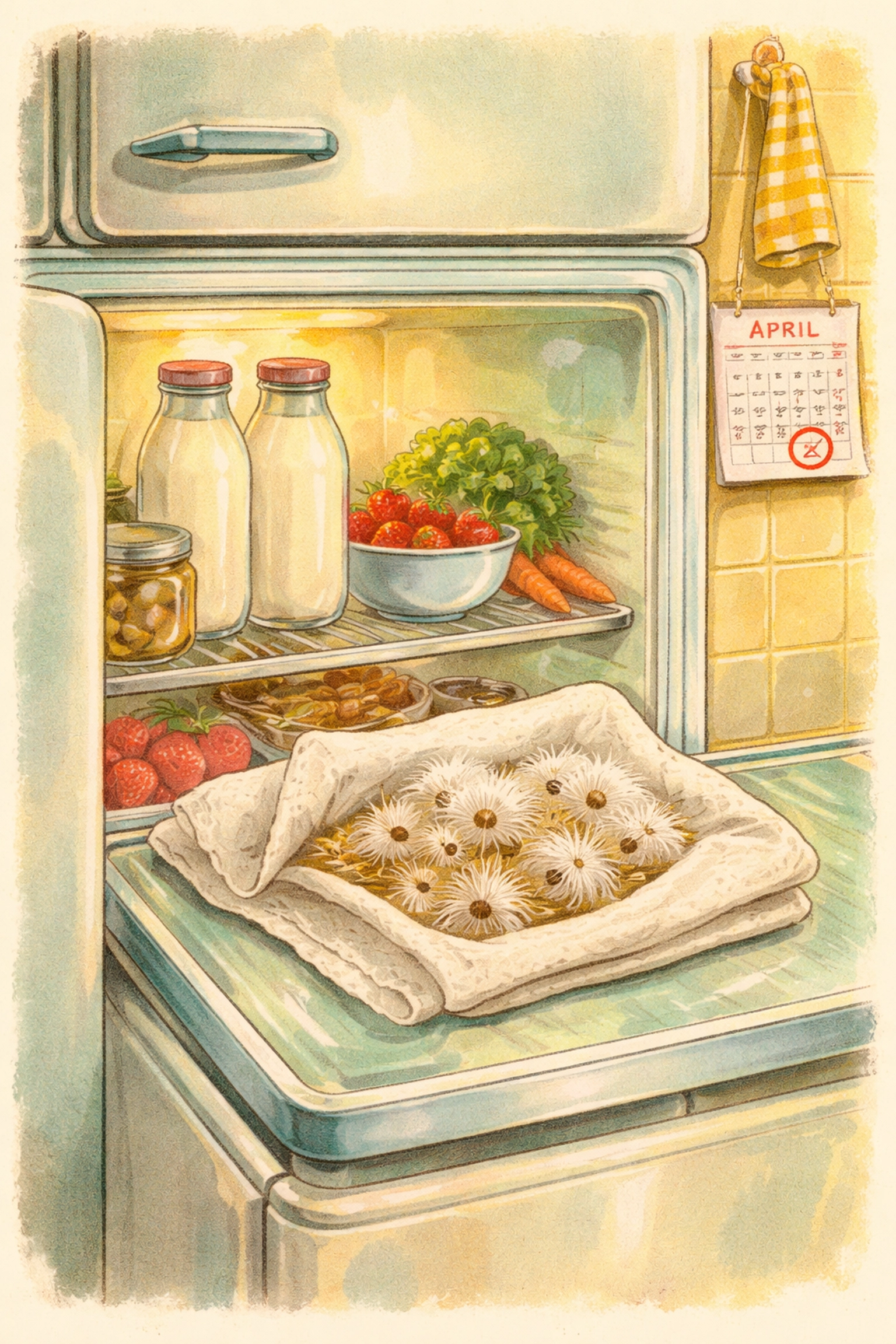
Step 1: Give Your Seeds a "Winter Vacation" (Cold Stratification)
Milkweed seeds are stubborn little things. In nature, they spend the winter buried under snow before sprouting in spring. To trick them into germinating, you'll need to simulate winter.
Here's how:
- Dampen a paper towel (not soaking wet, just moist)
- Spread your milkweed seeds on one half
- Fold the towel over and slip it into a plastic baggie
- Pop it in your refrigerator for 30 days
Mark your calendar! This cold treatment tells the seeds that "winter" has passed and it's safe to grow.
Pro tip: This is a great opportunity to teach kids about plant dormancy. Why do some seeds need cold? Because they evolved to survive harsh winters!
Step 2: Plant Your Seeds Indoors
After their fridge vacation, it's planting time!
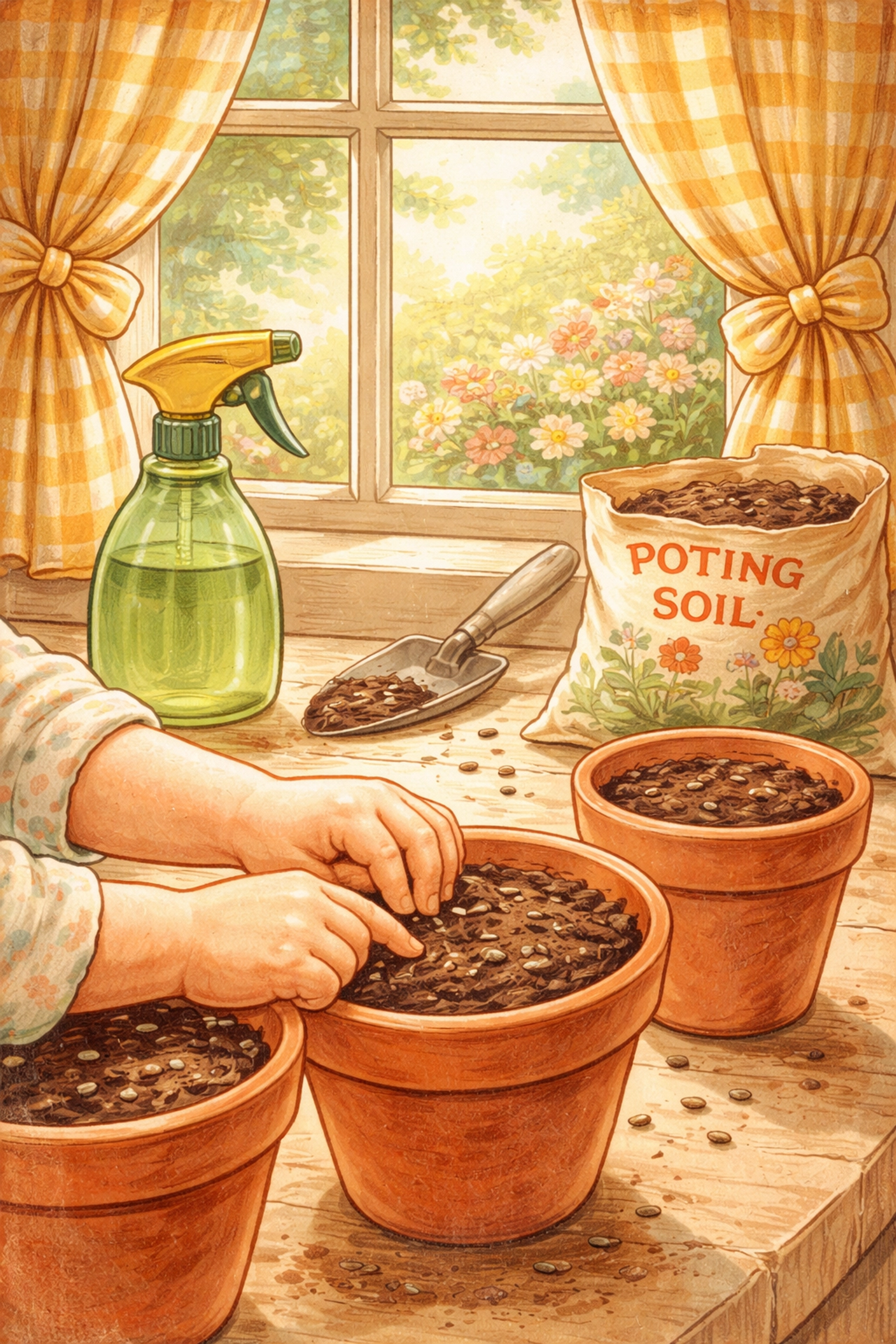
- Fill small peat pots or recycled yogurt cups (with drainage holes poked in the bottom) with seed-starting mix
- Place 2–3 seeds on the surface of each pot
- Press them gently into the soil, just barely covered, about ¼ inch deep
- Mist with your spray bottle until the soil is evenly damp
- Cover with plastic wrap to create a mini greenhouse effect
- Set them in a warm, sunny window
Seeds should sprout within 10–14 days. Once you see green, remove the plastic wrap and keep the soil consistently moist (but not soggy).
Step 3: Transplant Outdoors After the Last Frost
When your seedlings have at least two sets of true leaves AND your local frost danger has passed, it's time to move them outside.
Choose your spot wisely:
- Full sun (at least 6 hours daily)
- Well-draining soil
- Space plants about 18–24 inches apart
Milkweed doesn't need rich soil, it actually prefers things a little lean and mean. This is a tough prairie plant that thrives on neglect. No fancy fertilizers required!
Step 4: Water, Wait, and Watch
For the first few weeks after transplanting, water your milkweed regularly to help roots establish. After that? Step back and let nature do its thing. Established milkweed is drought-tolerant and will spread on its own through underground rhizomes.
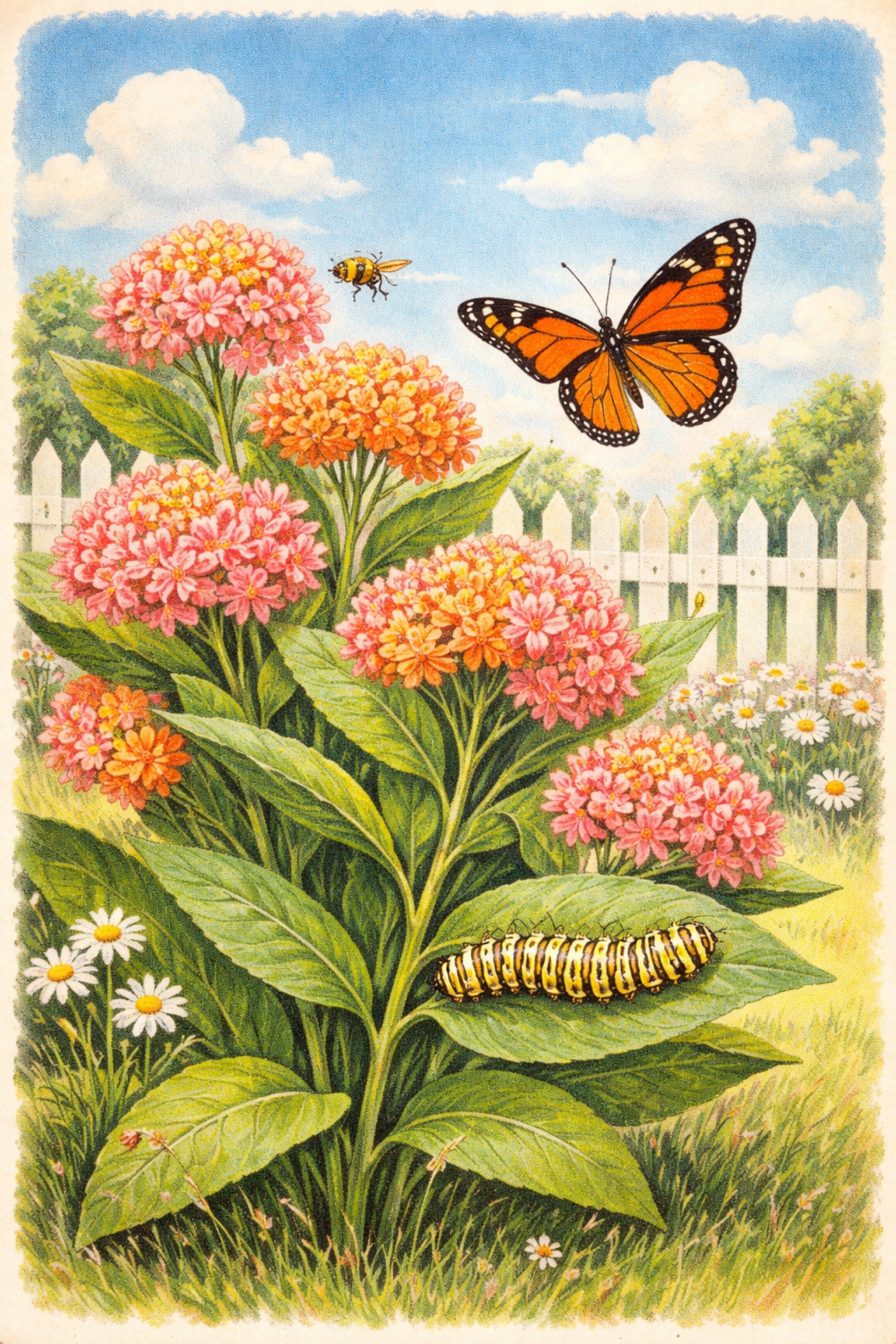
By midsummer, you should see clusters of pink, white, or orange flowers (depending on variety) that smell absolutely heavenly. Adult Monarchs will visit for nectar, and if you're lucky, you'll spot a female laying tiny white eggs on the undersides of leaves.
Step 5: Leave the "Mess" Alone in Fall
When those famous fluffy seed pods form in late summer and fall, resist the urge to tidy up! Let the pods split open naturally. Your kids can help scatter seeds around the yard, or you can collect some for next year's planting.
Leave the dead stalks standing through winter, they provide shelter for beneficial insects and look quite pretty with a dusting of snow.
The Lifecycle Magic: What Your Kids Will See
Here's the really exciting part. If Monarchs find your milkweed patch, your family gets front-row seats to one of nature's most incredible transformations:
- Tiny white eggs appear on leaf undersides
- Striped caterpillars hatch and start munching (they'll eat A LOT)
- Caterpillars form a stunning jade-green chrysalis with gold dots
- About 10–14 days later, a Monarch butterfly emerges
It's basically a science class happening right in your backyard. Keep a nature journal with your kids to track what you observe!
Quick Tips for Milkweed Success
- Don't use pesticides anywhere near your milkweed. Monarchs are extremely sensitive to chemicals.
- Plant in clusters. A group of 6–10 plants is more likely to attract egg-laying females than a single lonely stem.
- Be patient. Milkweed may take 2–3 years to really establish and bloom heavily. It's worth the wait!
- Expect aphids. Milkweed often attracts bright orange aphids. Leave them alone, ladybugs will handle the problem, and the aphids rarely harm healthy plants.
If you're looking for more ways to keep your garden thriving with minimal effort, check out our guide on easy DIY watering solutions for when life gets busy.
Frequently Asked Questions
Is milkweed poisonous?
Yes, milkweed contains cardiac glycosides that are toxic if eaten in large quantities. Teach kids to wash hands after handling and never put plant parts in their mouths. This same toxicity is what makes Monarch butterflies taste terrible to predators!
Can I grow milkweed in containers?
Absolutely! Use a deep pot (at least 12 inches) since milkweed has a long taproot. Butterfly Weed (Asclepias tuberosa) is especially well-suited for container growing.
How long until I see butterflies?
If you plant in spring, you may see Monarchs visiting by late summer of the same year. Caterpillars are more likely to appear in year two once plants are established.
Will milkweed take over my yard?
Common Milkweed can spread aggressively through underground runners. If you want a more contained option, choose Butterfly Weed, which stays in neat clumps.
When should I start seeds indoors?
Begin cold stratification about 10 weeks before your last expected frost date. This gives seeds 4 weeks in the fridge plus 6 weeks to grow indoors before transplanting.
Can I just scatter seeds outside in fall?
Yes! Fall sowing lets nature handle the cold stratification naturally. Scatter seeds after the first frost and let winter do the work.
Do I need to deadhead milkweed flowers?
Nope. Let spent flowers develop into those gorgeous "cotton candy" seed pods. That's half the fun!
What if caterpillars eat ALL the leaves?
That's a success! The plant will recover. Healthy milkweed can be completely defoliated and bounce back within weeks.
Growing milkweed with your kids isn't just gardening: it's conservation in action. Every single plant you grow creates habitat for a species that desperately needs our help. Plus, there's nothing quite like watching a Monarch butterfly emerge from a chrysalis that formed in your backyard.
Now get those seeds in the fridge and start the countdown to your very own butterfly waystation! 🦋