




The short answer: A Giant Bean race is a weeks-long growing competition where each family member plants their own climbing bean seed and watches it scramble toward the sky. The first bean to reach a marked height (or the tallest by a set date) wins bragging rights! All you need are a few Scarlet Runner or Pole bean seeds, some simple supports, a measuring stick, and a whole lot of cheerleading. Total cost? Under $10 and a summer's worth of excitement.
If you've ever wanted to combine the thrill of a race with the magic of watching something grow, this is your project. No stopwatches required, just patience, sunshine, and maybe a little friendly trash talk at the dinner table.
Why Scarlet Runner Beans Are Perfect for This
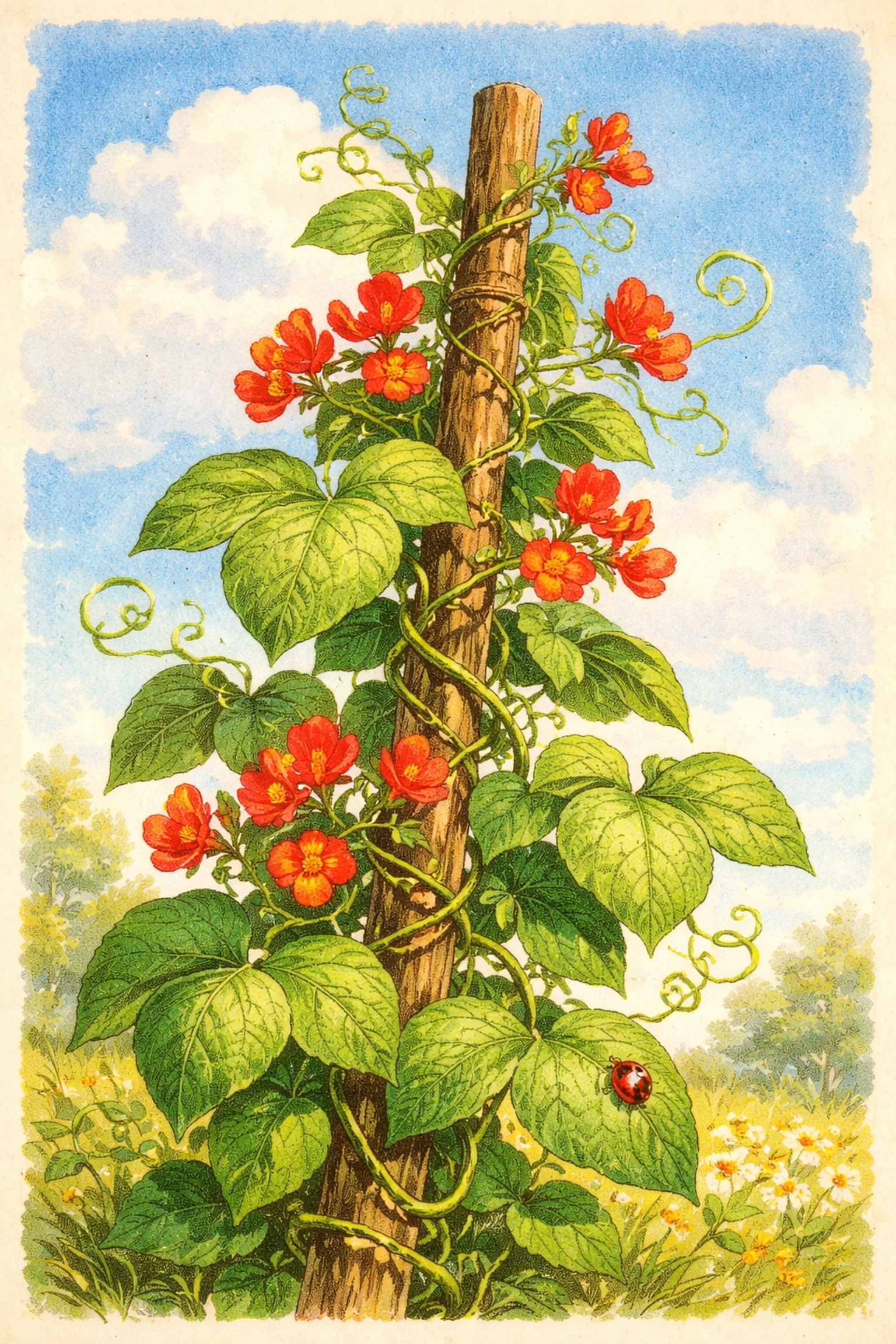
Scarlet Runner beans are basically the Olympic sprinters of the vegetable world. These vigorous climbers can shoot up 10 to 15 feet in a single growing season, producing gorgeous red flowers along the way. Kids can literally watch them grow inch by inch, day by day.
Other great options include:
- Kentucky Wonder Pole Beans – classic, reliable, and fast
- Blue Lake Pole Beans – tender and tasty if you want to eat your racers later
- Hyacinth Beans – purple flowers and pods for extra "wow" factor
The key is choosing a pole or climbing variety, not a bush bean. Bush beans are the couch potatoes of the bean world, they just sit there. We want vertical drama here!
What You'll Need (Budget: Under $10)
Here's your shopping list for a family of four racers:
| Item | Estimated Cost |
|---|---|
| Packet of Scarlet Runner or Pole Bean seeds | $2–$4 |
| 4 bamboo stakes or tall sticks (6–8 feet) | $0–$4 (or free from your yard!) |
| Twine or string | $1–$2 |
| Ruler or measuring tape | Free (you probably have one) |
| Small pots or direct planting | $0–$2 |
Total: $3–$10 depending on what you already have lying around.
If you're feeling fancy, grab some colorful ribbon or paint to mark each racer's stake. But honestly? A Sharpie and some masking tape work just fine.
Step-by-Step: How to Set Up Your Giant Bean Race
Step 1: Pick Your Race Track
Find a sunny spot in your backyard that gets at least 6–8 hours of direct sunlight. Beans are sun-worshippers, they need that energy to fuel their upward climb.
You'll want about 6–12 inches between each stake so the vines don't get tangled up in a leafy traffic jam.
Step 2: Install Your Bean Poles
Push each bamboo stake or tall stick about 6–8 inches into the soil so it stands sturdy. If your soil is rocky or hard, you can create a simple tripod by tying three stakes together at the top, this also looks adorable, like little bean teepees.
For extra stability, tie a horizontal string between the tops of all the stakes. This gives ambitious vines something to grab onto if they outgrow their own pole.

Step 3: Plant Your Racers
Each family member gets to plant their own seed about 1 inch deep at the base of their designated stake. Water gently but thoroughly.
Pro tip: Soak your bean seeds in water overnight before planting. This softens the seed coat and gives your racers a head start, like stretching before a marathon.
Label each stake with the racer's name. This is very important. Trust me, you don't want arguments in week three about whose bean is whose.
Step 4: Create a Growth Chart
This is where the magic happens! On a piece of poster board or even just a notebook, create a simple chart:
| Date | Racer 1 | Racer 2 | Racer 3 | Racer 4 |
|---|---|---|---|---|
| Week 1 | , | , | , | , |
| Week 2 | , | , | , | , |
Every few days (or weekly, if you want to keep your sanity), measure each vine from the soil to the highest growing tip. Record the heights and watch the competition heat up.
You can also mark heights directly on the stakes with tape or paint, like those "you must be this tall to ride" signs at amusement parks.
Step 5: Tend Your Racers
Beans are pretty low-maintenance athletes, but they do appreciate:
- Consistent watering: About 1 inch per week. If it's hot and dry, water more frequently. Beans don't like to be parched.
- Gentle guidance: If a vine starts wandering away from its pole, gently wrap it back around. Beans naturally twine counterclockwise, so work with their instincts.
- Mulch: A thin layer of straw or leaves around the base keeps roots cool and soil moist.
No need for fancy fertilizers, beans actually create their own nitrogen through their roots. They're basically self-sufficient little green machines.
Step 6: Declare a Winner!
You have two options for crowning your champion:
Option A: First to the Finish Line
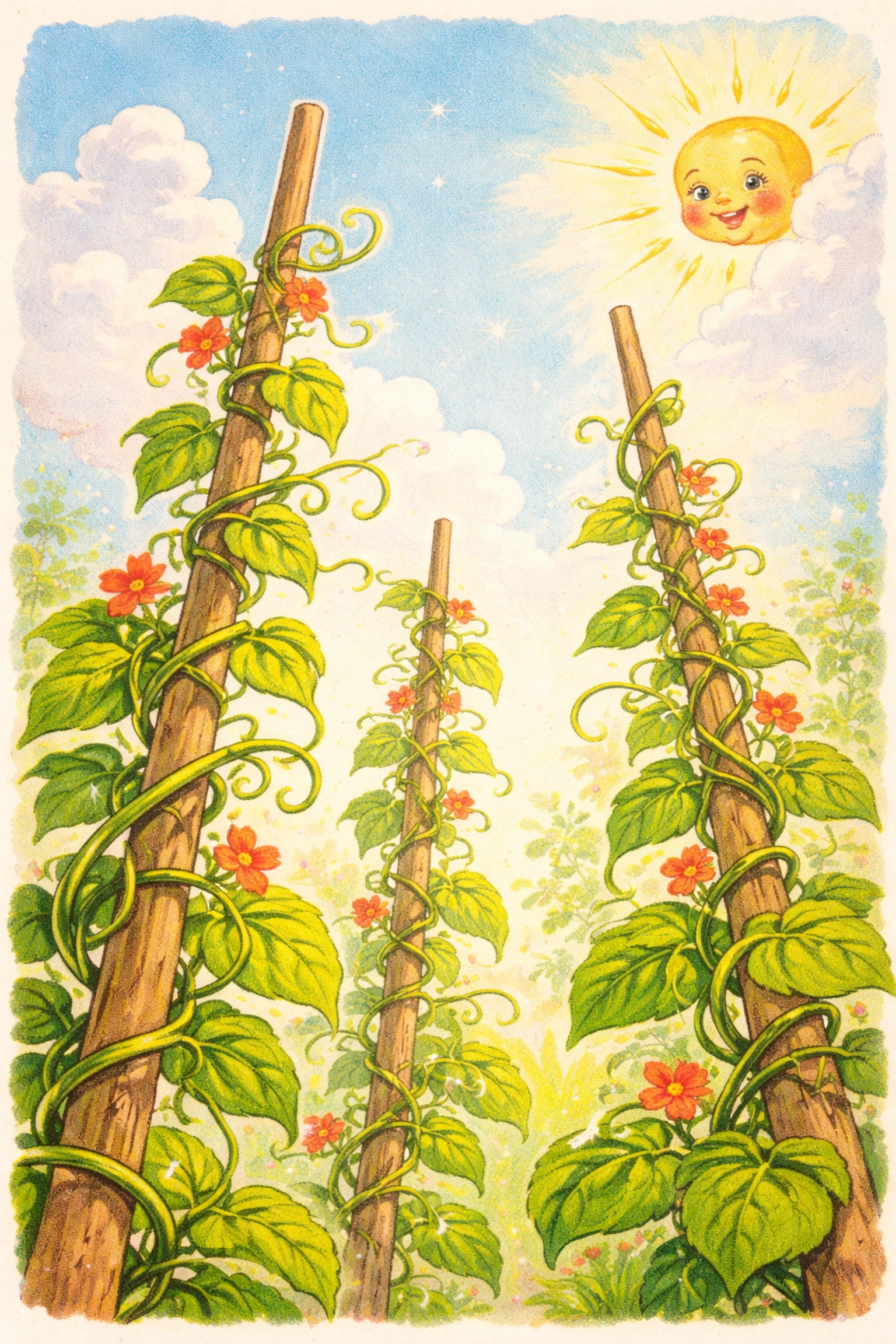
Set a target height (say, 6 feet) and see whose bean reaches it first. This rewards speed and early enthusiasm.
Option B: Tallest by a Set Date
Pick an end date (maybe Labor Day or the last day of summer vacation) and measure everyone's final height. This rewards steady, consistent growth.
Either way, the winner gets… whatever prize you decide! A trophy made from a painted rock? First pick of dessert for a week? The glory of being the Greatest Bean Grower in the Family? Your call.
Bonus: What to Do With Your Giant Beans
Here's the beautiful thing, Scarlet Runner beans aren't just pretty. They're edible! Once the race is over, you can:
- Harvest young pods (under 6 inches) and cook them like green beans
- Let pods mature and dry on the vine, then save the speckled seeds for next year's rematch
- Enjoy the flowers – they're actually edible too and look gorgeous in salads
If you want to keep plants thriving while you're away on vacation, check out our easy DIY to keep plants watered when kids are away.

Tips for Making It Extra Fun
- Create team names: "The Green Lightning" vs. "Sir Climbs-a-Lot" adds personality
- Take weekly photos from the same angle to create a time-lapse effect
- Add obstacles: Tie a horizontal string at 3 feet that vines must "cross" first
- Invite neighbors: Turn it into a block-wide competition
- Keep a race journal: Have kids draw their beans and write observations
Frequently Asked Questions
How long does it take for beans to sprout?
Most pole beans germinate in 7–14 days, depending on soil temperature. Warmer soil = faster sprouting.
Can I start beans indoors?
You can, but beans don't love being transplanted. Direct sowing outdoors after the last frost works best.
What if my bean won't climb the pole?
Gently wrap the vine around the stake in a counterclockwise direction. Once it gets the idea, it'll keep going on its own.
Do I need to fertilize my beans?
Nope! Beans are nitrogen-fixers, meaning they pull nitrogen from the air and store it in their roots. They're self-sufficient.
Can I do this in containers?
Absolutely! Use a container at least 12 inches deep and provide a tall stake or trellis. Perfect for patios and balconies.
When should I plant beans?
After your last frost date, when soil temperatures reach at least 60°F. Beans hate cold, wet soil.
What pests should I watch for?
Aphids and bean beetles are the usual suspects. A strong spray of water or hand-picking usually handles them.
How tall will Scarlet Runner beans actually grow?
In ideal conditions, 10–15 feet! Make sure your stakes are tall enough, or be prepared to add extensions.
Can we eat the beans even if we're racing them?
Of course! Harvest some pods and let others keep growing. It's a race AND a snack.
What happens to the plants after the race?
You can compost the vines, save seeds for next year, or let them keep producing until frost. They'll give you beans until the cold weather arrives.
Ready, set, grow! 🌱