




Quick Answer: To keep your vertical garden thriving, water from the top down using a slow, steady approach, letting each level absorb moisture before moving on, and prune regularly by removing dead leaves, spent flowers, and overgrown stems. Most vertical gardens need watering every 1-2 days (depending on plant types) and a quick pruning check once a week.
Vertical gardens are fantastic space-savers, but they come with a unique challenge: gravity. Water wants to rush straight down, and plants at different heights have different needs. Pruning becomes extra important too, since overgrown plants can shade out their neighbors and create a tangled mess.
Don't worry, once you get the hang of it, maintaining a vertical garden is pretty straightforward. Let's walk through everything you need to know to keep your living wall lush and happy.
Understanding Your Vertical Garden's Watering Needs
Here's the thing about vertical gardens: they dry out faster than traditional container gardens. The increased air exposure on all sides means moisture evaporates quickly. Plus, water naturally wants to flow downward, which can leave your top plants parched while bottom plants get waterlogged.
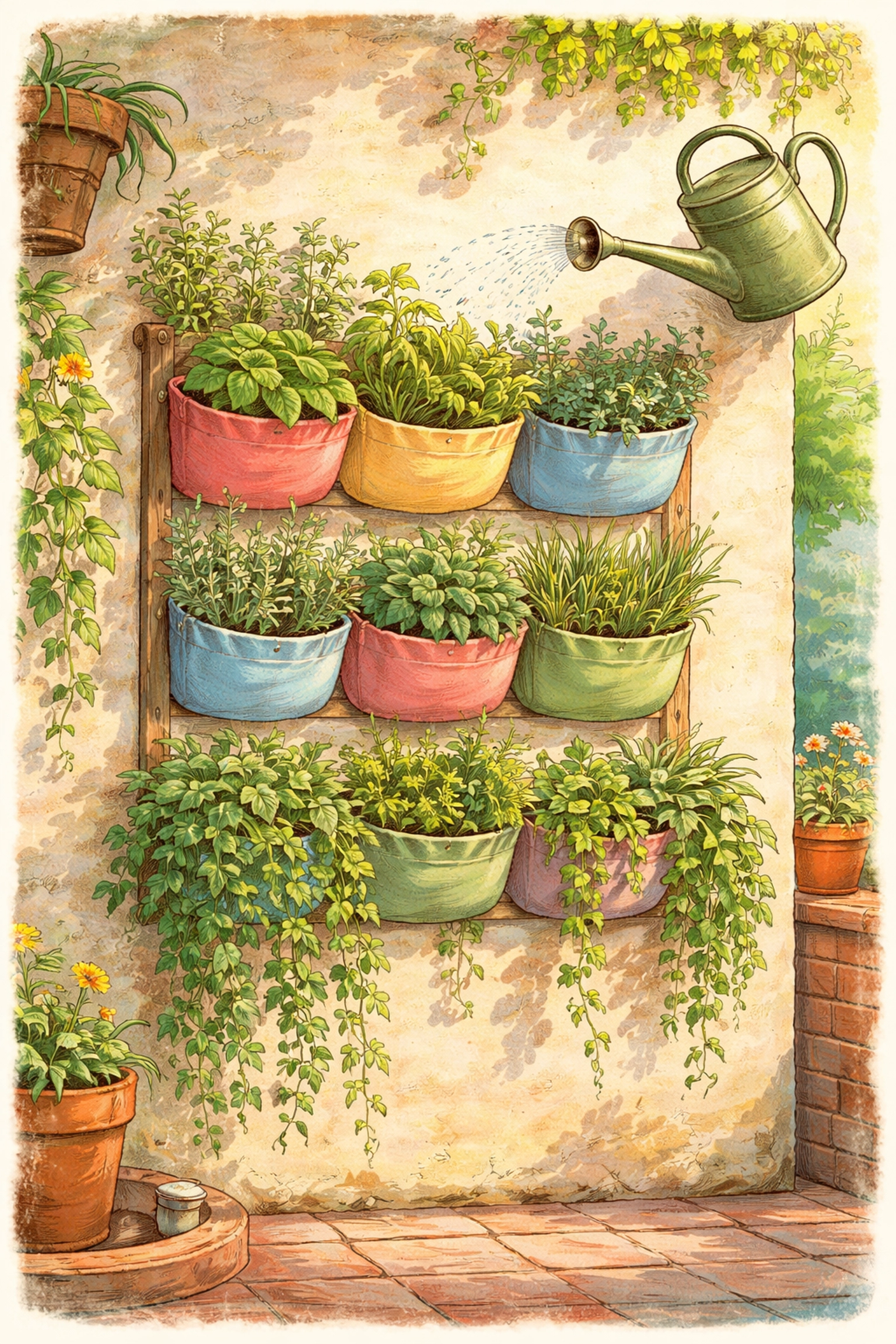
The "Slow and Low" Watering Method
The best technique for hand-watering a vertical garden is what experienced gardeners call the "slow and low" method:
- Start at the top of your vertical structure
- Use a narrow-spouted watering can for precision
- Water each pocket or planter individually
- Wait for the soil to fully absorb the water before adding more
- Watch for water dripping into the level below, that's your cue to move down
- Work your way to the bottom, giving each section time to drink
This approach ensures every plant gets adequate moisture without creating a waterfall effect that bypasses root zones entirely.
How Often Should You Water?
Your watering schedule depends on what you're growing:
| Plant Type | Watering Frequency | Soil Check |
|---|---|---|
| Herbs (basil, parsley, mint) | Daily | Should feel consistently moist |
| Leafy greens (lettuce, spinach) | Daily | Moist but not soggy |
| Ferns | Daily | Keep evenly moist |
| Succulents & cacti | Every 2-3 days | Let soil dry slightly between waterings |
| Flowering plants | Every 1-2 days | Moist to the touch |
Pro tip: Always water at the base of plants rather than spraying from above. Wet leaves invite fungal problems and mildew, not what you want in a space where plants are growing close together.
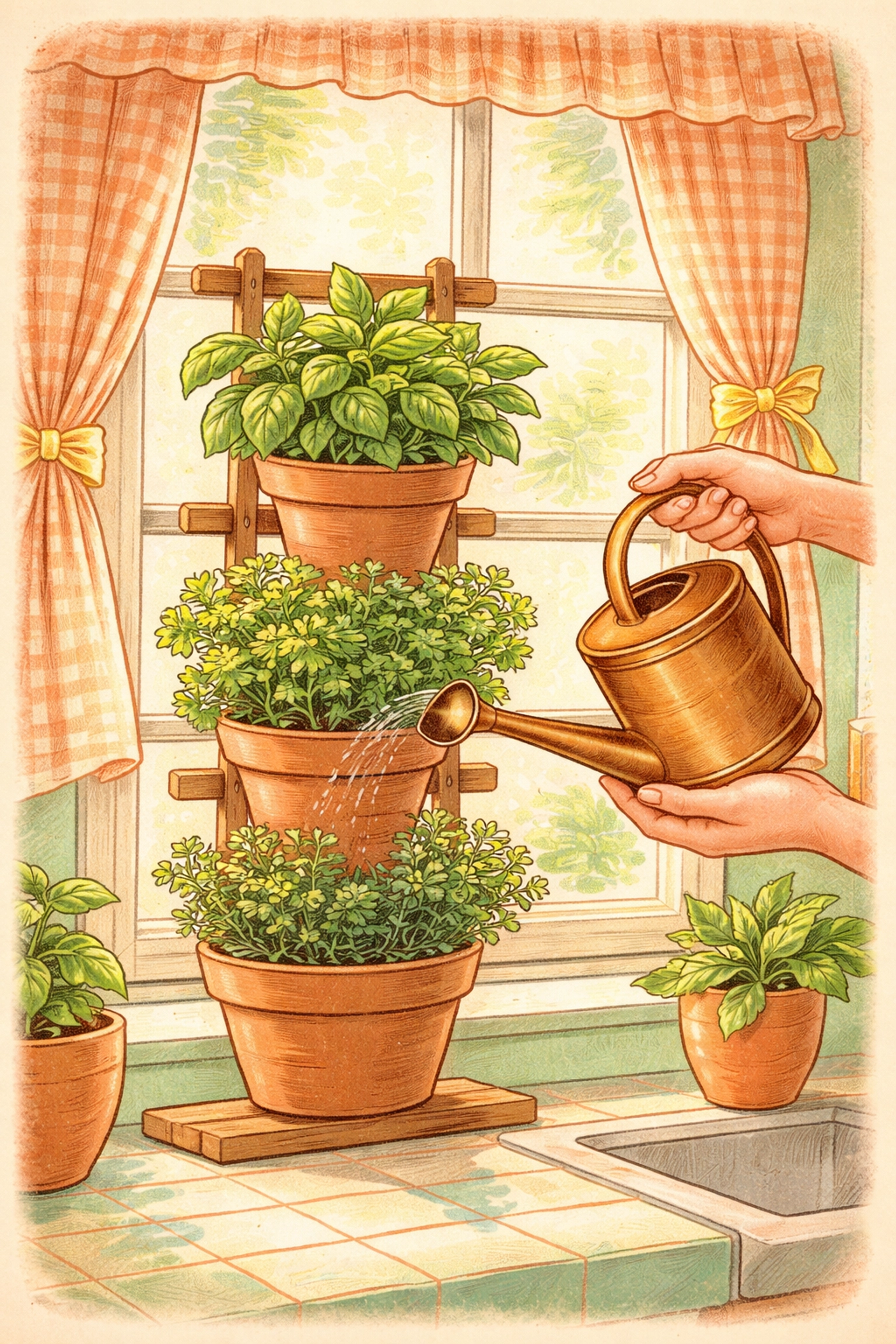
Setting Up Simple Drip Irrigation (The Easy Way)
If you're tired of hand-watering every day, a basic drip irrigation system is a game-changer. It delivers water slowly and directly to plant roots, solving that gravity problem we talked about.
DIY Drip System on a Budget
You don't need fancy equipment. Here's a simple setup that works:
Materials needed:
- Plastic tubing (available at hardware stores)
- Drip emitters or micro-sprayers
- A timer (optional but helpful)
- Zip ties or plant clips for securing
Setup steps:
- Run your main tubing line along the top of your vertical structure
- Add drip emitters at each planter or pocket location
- Secure tubing with zip ties so it stays in place
- Connect to your water source (a hose or rain barrel works great)
- Test the system and adjust emitter flow as needed
Check your drip emitters every two weeks to make sure they're not clogged. Mineral buildup is the most common issue, a quick rinse in vinegar water usually clears things up.
The Right Soil Mix Makes All the Difference
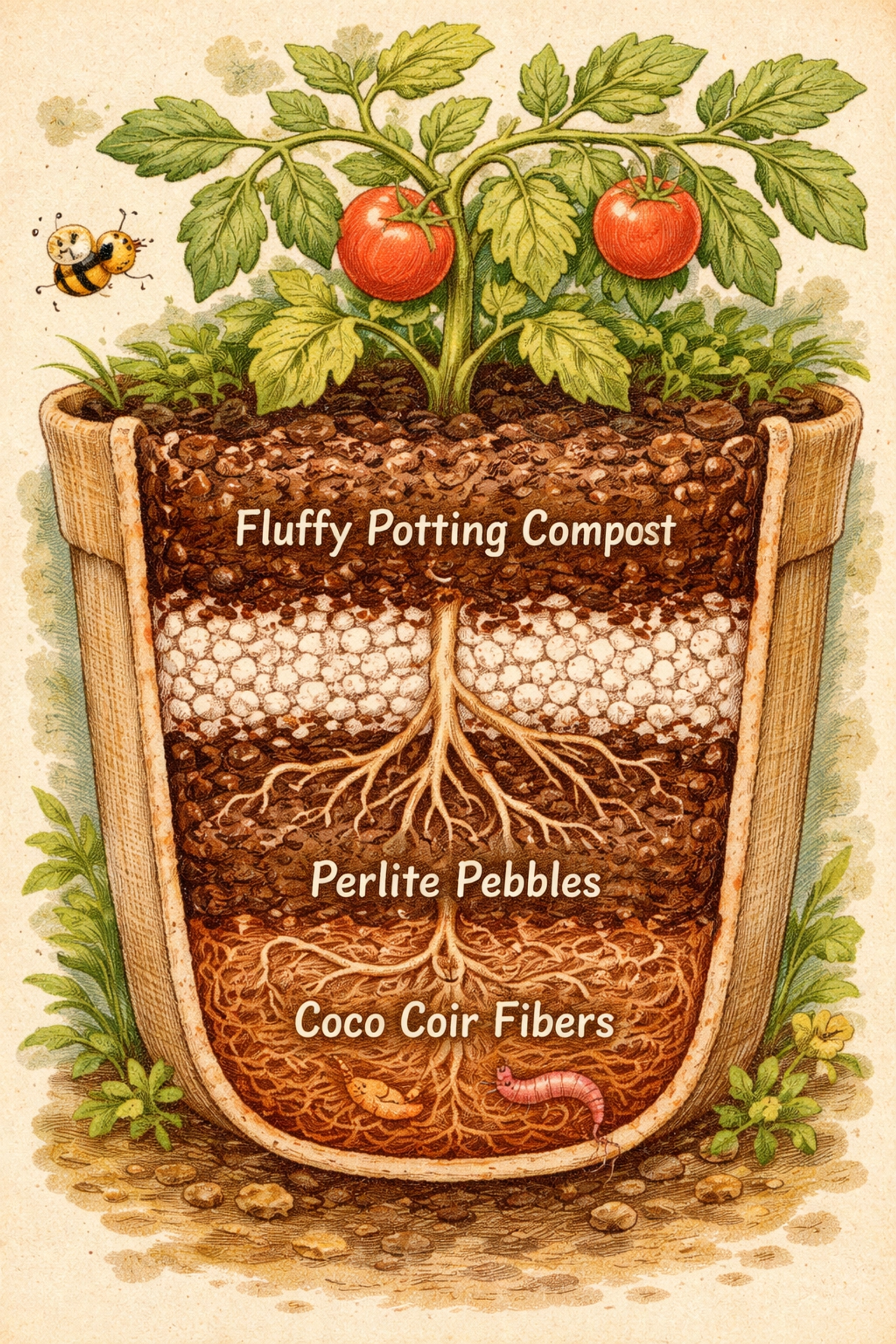
Standard potting soil can get heavy and waterlogged in vertical systems. Here's a better recipe:
- 60% potting compost (for nutrients)
- 20% perlite (for drainage and aeration)
- 20% coco coir (for moisture retention)
This lightweight mix holds water where plants need it while allowing excess to drain away. Your plants' roots will thank you.
For feeding, use a balanced liquid fertilizer every 2-3 weeks during the growing season. If you prefer a "set it and forget it" approach, slow-release fertilizer granules applied quarterly work great too.
Pruning Your Vertical Garden: Why It Matters
Pruning isn't just about keeping things tidy (though that's a nice bonus). Regular trimming:
- Increases airflow between plants, preventing fungal and bacterial infections
- Encourages new growth and bushier, healthier plants
- Prevents overcrowding that leads to disease
- Keeps aggressive growers from taking over their neighbors' space
- Removes pest hideouts before problems spread
In a vertical setup where plants are packed closely together, these benefits are even more important than in a traditional garden.
Weekly Pruning Routine
Set aside 10-15 minutes once a week for a quick pruning session. Here's your checklist:
- Remove dead leaves immediately, they attract pests and look sad
- Snip off spent flowers (deadheading) to encourage more blooms
- Trim back overgrowth that's shading neighboring plants
- Cut out any yellowing or spotted foliage (possible disease sign)
- Pinch back leggy stems on herbs to promote bushier growth
Always use clean, sharp scissors or pruning snips. Dull blades can crush stems and create entry points for disease.
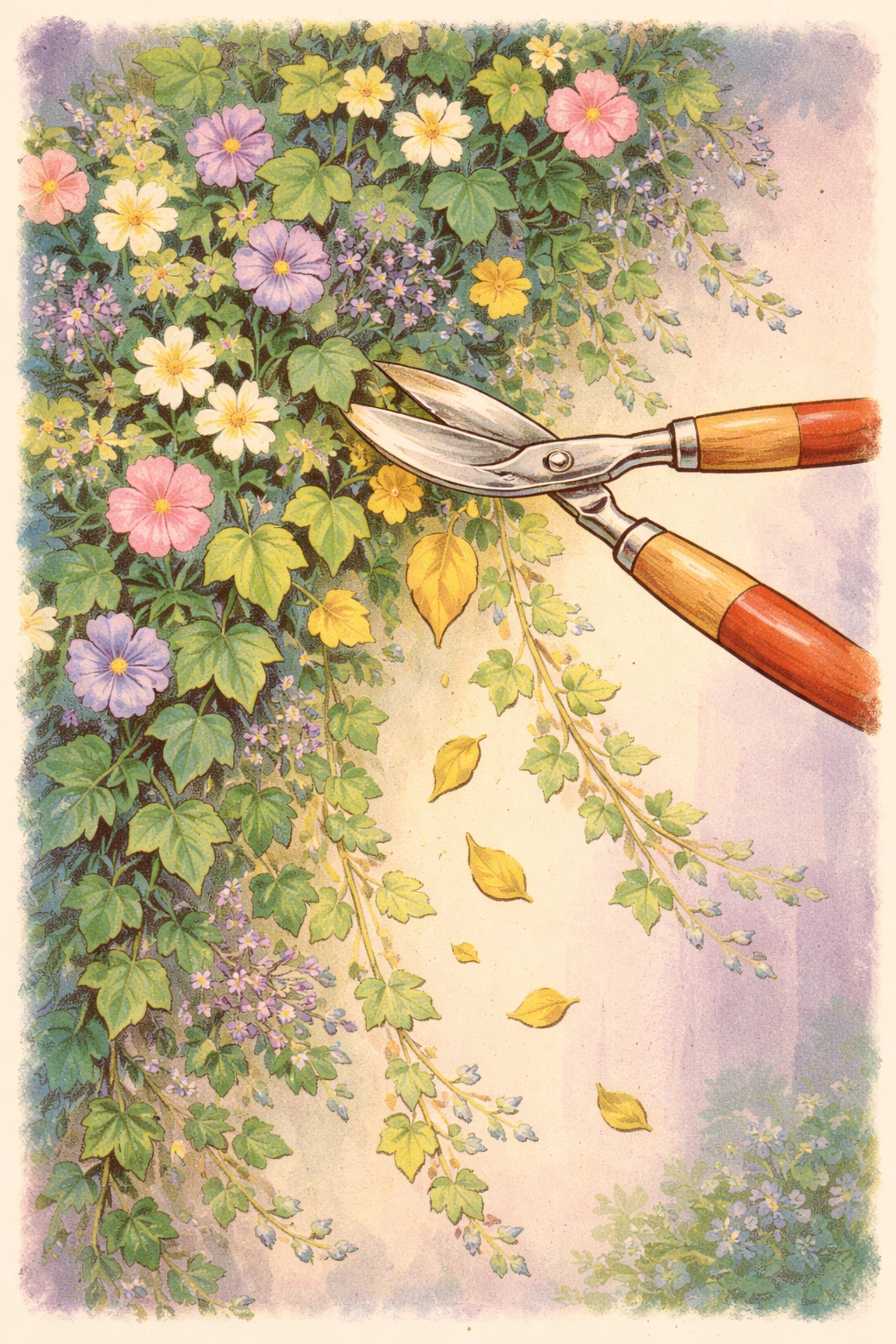
Signs It's Time to Prune
Watch for these cues:
- Plants touching or overlapping significantly
- Lower leaves dying from lack of light
- Straggly, leggy growth
- Vines starting to strangle other plants
- Any brown, wilted, or spotted leaves
Budget-Friendly Maintenance Supplies (Under $10)
| Item | Approximate Cost | Where to Find |
|---|---|---|
| Narrow-spouted watering can | $5-8 | Dollar store or garden center |
| Spray bottle (for misting) | $1-2 | Dollar store |
| Pruning snips | $3-6 | Hardware store |
| Drip emitters (pack of 10) | $4-7 | Hardware store |
| Liquid fertilizer concentrate | $5-8 | Garden center |
| Moisture meter | $5-8 | Garden center |
You don't need expensive gear to maintain a beautiful vertical garden. A basic watering can and a pair of scissors will handle 90% of your maintenance needs.
Troubleshooting Common Problems
Top plants always dry, bottom plants soggy? Your watering is too fast. Slow down and let each level absorb before moving on. Consider adding more perlite to your soil mix for better drainage.
Plants getting leggy? They need more light. Rotate your structure if possible, or move it to a brighter location. Prune back the leggy growth to encourage bushier habits.
Yellow leaves appearing? Could be overwatering, nutrient deficiency, or not enough light. Check your watering schedule first, this is the most common culprit.
Pests showing up? Crowded, humid conditions attract bugs. Increase pruning frequency to improve airflow, and inspect weekly for early signs of infestation.
If your kids are interested in learning more about keeping plants watered, check out our guide on easy DIY projects to keep plants watered when kids are away.
Frequently Asked Questions
How often should I water a vertical garden?
Most vertical gardens need daily watering for herbs and leafy greens, or every 2-3 days for succulents. Check soil moisture with your finger, if the top inch feels dry, it's time to water.
Can I overwater a vertical garden?
Yes! Overwatering causes root rot and disease. Water slowly and allow drainage between waterings. If lower plants are consistently soggy, reduce watering frequency.
What's the best time of day to water?
Early morning is ideal. This gives plants time to absorb moisture before afternoon heat, and leaves dry before evening (reducing disease risk).
How do I know if my vertical garden needs pruning?
If plants are touching neighbors, blocking light to lower sections, or showing dead/yellowing leaves, it's time to prune. A weekly 10-minute check keeps things manageable.
Do I need special fertilizer for vertical gardens?
A balanced liquid fertilizer (like 10-10-10) works well. Apply every 2-3 weeks during growing season, or use slow-release granules quarterly.
Why are my vertical garden plants dying at the top?
Top plants dry out fastest due to heat and airflow exposure. Water them first and make sure they're getting enough moisture. Consider adding water-retaining coco coir to your soil mix.
How do I prevent pests in a vertical garden?
Regular pruning improves airflow and removes pest hiding spots. Inspect plants weekly, remove any affected leaves immediately, and avoid overhead watering that creates humid conditions.
Can kids help maintain a vertical garden?
Absolutely! Watering and deadheading spent flowers are perfect tasks for children. Use a small watering can they can handle easily, and teach them to look for dead leaves to remove.
References
- Vertical garden maintenance and care guidelines – General horticultural best practices
- Drip irrigation systems for vertical growing structures – Agricultural extension resources
- Pruning techniques for living walls – Professional landscaping standards
- Disease prevention in compact growing systems – Plant pathology guidelines
- Soil composition for vertical planters – Container gardening research