




Quick Answer: You can soundproof your vertical farm pump by using vibration isolation pads (foam, rubber feet, or even mouse pads), building a ventilated enclosure from MDF or plywood lined with mass loaded vinyl, and choosing an inherently quiet submersible pump. These methods combined can bring your pump noise down to a whisper-quiet level below 40 dB, about as loud as a quiet library.
If you've ever set up a vertical hydroponic tower in your kitchen, bedroom, or classroom, you've probably noticed that the pump can be… well, annoying. That constant hum and vibration can turn your peaceful indoor garden into something that sounds like a tiny construction site running 24/7.
The good news? Quieting your pump is a totally doable weekend project, and you can get it done for under $50 in most cases. Let's walk through exactly how to create the quiet garden of your dreams.
Why Is Your Vertical Farm Pump So Loud?
Before we fix the problem, it helps to understand what's actually making all that racket. Pump noise comes from two main sources:
Mechanical vibration: When the pump motor runs, it vibrates. If your pump is sitting directly on a hard surface like a shelf, countertop, or plastic reservoir, those vibrations transfer into the surface and amplify, kind of like how a tuning fork gets louder when you press it against a table.
Airborne noise: This is the actual sound waves traveling through the air from the pump motor itself. Even a well-isolated pump still makes some noise just from running.
To get your pump truly quiet, you need to tackle both problems. The great news is that vibration isolation alone often cuts perceived noise by 50% or more.
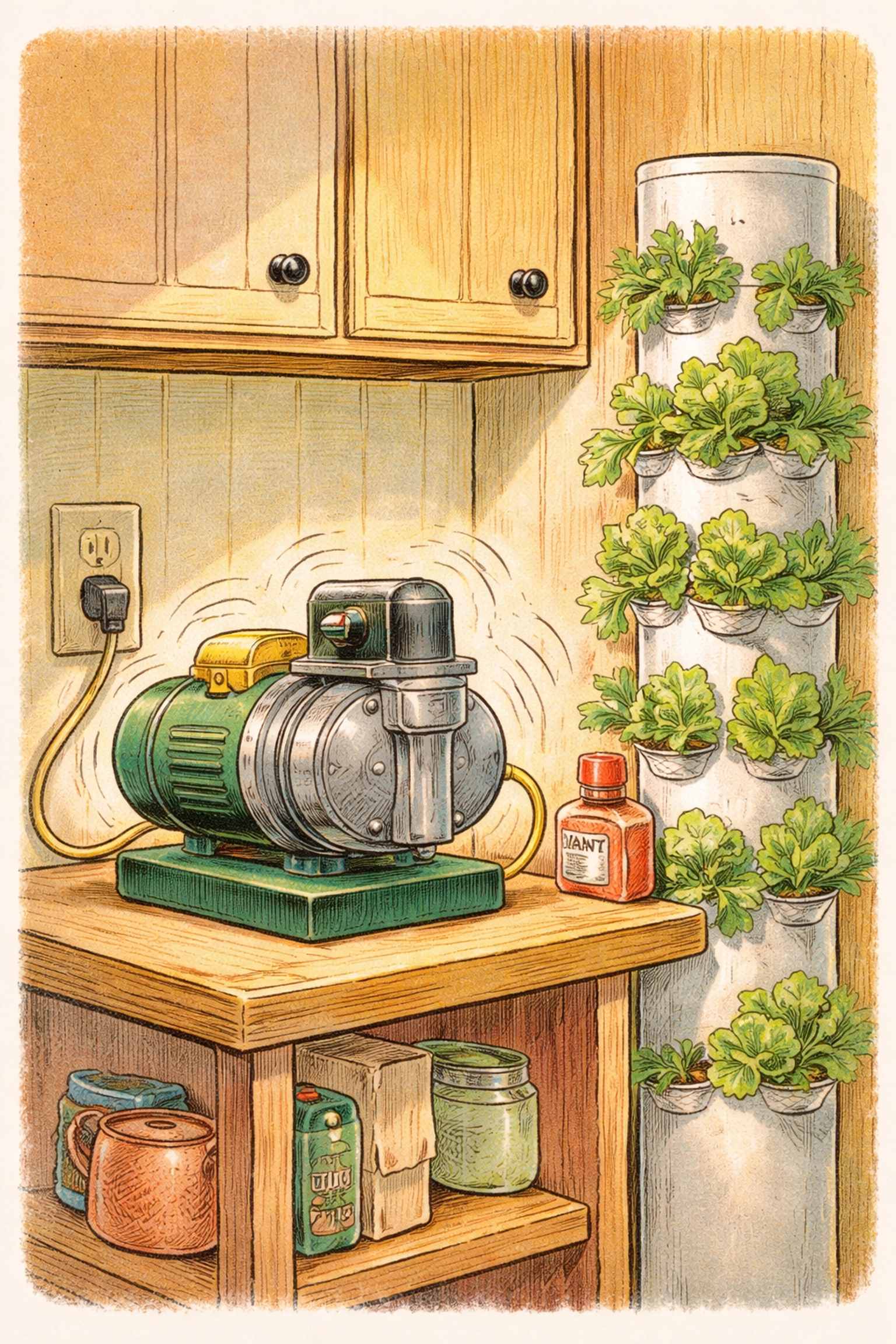
Step 1: Start With Vibration Isolation
This is the single most effective thing you can do, and it costs almost nothing.
The Mouse Pad Method
Here's a surprisingly effective trick: place your pump on top of a thick mouse pad or two stacked together. The foam rubber absorbs vibrations before they can transfer to your reservoir or shelf. It sounds almost too simple, but it genuinely works.
Rubber Isolation Feet
For a more polished solution, you can purchase small rubber isolation feet designed for aquarium pumps or small machinery. These typically cost $8-20 for a pack and provide excellent vibration dampening. Look for feet made from soft rubber or silicone rather than hard plastic.
Closed-Cell Foam Pads
Closed-cell foam (the kind used for camping sleeping pads or yoga blocks) works wonderfully. Cut a piece slightly larger than your pump's footprint and set the pump on top. The dense foam absorbs vibrations without compressing flat over time like open-cell foam might.
Pro tip: If your pump sits inside a reservoir, you can still isolate it by placing it on a small platform made of PVC pipe pieces with foam padding, keeping the pump slightly elevated off the hard bottom.
Step 2: Choose a Quieter Pump
If you're still in the planning phase or ready for an upgrade, selecting an inherently quiet pump makes everything easier. Submersible pumps designed for aquarium or hydroponic use are typically much quieter than external pumps.
Look for pumps specifically marketed as "silent" or "ultra-quiet." Models like the Sicce Syncra Silent series are engineered with vibration-reducing rubber components and well-constructed internal parts that minimize operational noise.
When shopping, check the decibel (dB) rating if listed. For reference:
- 30 dB = whisper quiet
- 40 dB = quiet library
- 50 dB = moderate rainfall
- 60 dB = normal conversation
For a bedroom or classroom vertical farm, aim for pumps rated at 40 dB or below.
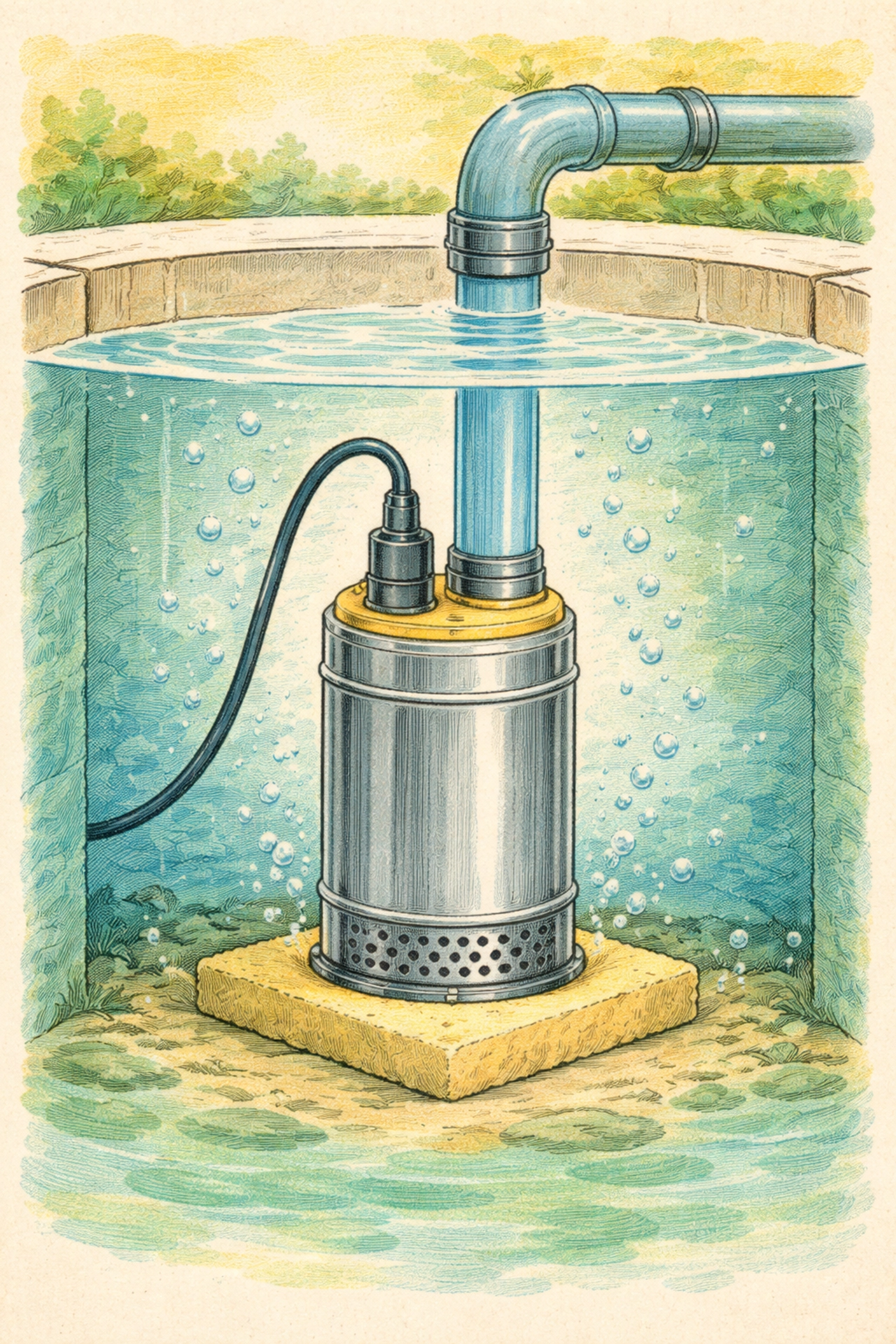
Step 3: Build a Soundproof Pump Enclosure
For pumps that remain stubbornly loud even with vibration isolation, a sound enclosure is your next level of noise reduction. According to acoustic engineering principles, a properly designed enclosure can reduce noise by 20-30 dB, a dramatic difference.
Materials You'll Need
- MDF (medium-density fiberboard) or plywood: 1/2" to 3/4" thick works well for the enclosure walls
- Mass Loaded Vinyl (MLV): A dense, flexible material that blocks sound transmission
- Acoustic foam: Absorbs sound waves inside the enclosure
- Silicone sealant: Seals gaps where sound can escape
- Small ventilation fan (optional): Prevents heat buildup
Basic Enclosure Construction
Measure your pump and plan a box that gives at least 2-3 inches of clearance on all sides for airflow and sound-absorbing materials.
Cut your MDF panels for four sides, a top, and a bottom (or leave the bottom open if the pump needs to sit in water).
Line the interior with mass loaded vinyl first, then add a layer of acoustic foam on top. The MLV blocks sound; the foam absorbs it.
Assemble the box using wood screws and seal all seams with silicone to prevent sound leakage.
Add ventilation by cutting small openings and installing baffled vents or a small quiet fan. Without ventilation, heat from your pump can build up and potentially cause damage.
Include access via a removable lid or panel so you can maintain your pump without disassembling the whole enclosure.
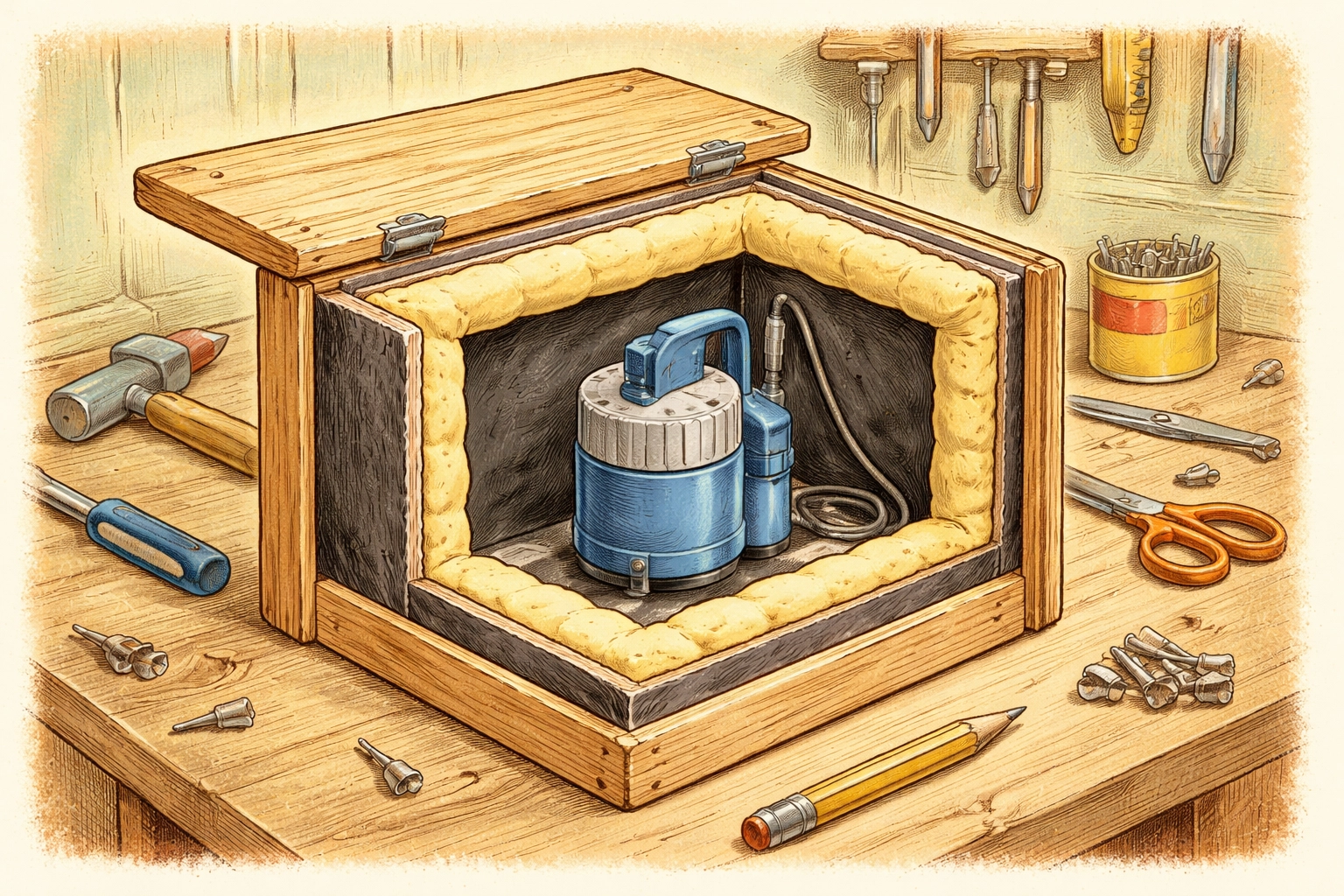
Step 4: Address Heat and Ventilation
This is critical and often overlooked. Pumps generate heat, and trapping them in a sealed box without airflow can lead to overheating, reduced pump life, or even failure.
For small hydroponic pumps (under 50 watts), passive ventilation through baffled openings often provides enough airflow. A baffle is simply an S-shaped or L-shaped channel that allows air to flow while blocking direct sound paths.
For larger pumps or fully sealed enclosures, install a small, quiet computer fan to create active airflow. Position one vent low for cool air intake and one high for warm air exhaust.
Budget Breakdown: Soundproofing Your Pump
| Item | Estimated Cost |
|---|---|
| Foam pads or mouse pads | $5–$15 |
| Rubber isolation feet | $8–$20 |
| MDF board (small project) | $15–$30 |
| Mass Loaded Vinyl (small roll) | $20–$50 |
| Acoustic foam tiles | $15–$30 |
| Silicone sealant | $5–$10 |
| Small ventilation fan | $10–$20 |
| Total (full enclosure build) | $40–$100 |
| Total (vibration isolation only) | $5–$20 |
Most families find that vibration isolation alone solves their noise problems for under $20. The full enclosure is only necessary for particularly loud pumps or noise-sensitive spaces like bedrooms.

Quick Wins for Immediate Quiet
If you need results tonight, try these instant fixes:
- Move the pump off hard surfaces and onto folded towels, foam, or rubber mats
- Check for rattling parts like loose tubing connections that amplify vibration
- Relocate the reservoir away from walls, which can act as amplifying surfaces
- Ensure the pump is fully submerged (for submersible models), air exposure increases noise
Frequently Asked Questions
How loud is too loud for an indoor pump?
For sleeping areas or quiet classrooms, aim for under 40 dB. If you can hear your pump clearly from across the room, soundproofing will make a noticeable improvement.
Can I just put my pump in a cardboard box?
Temporarily, yes: it will muffle some noise. But cardboard isn't durable, doesn't block low-frequency vibration, and creates a fire risk if the pump overheats. Use proper materials for a permanent solution.
Will soundproofing make my pump run hotter?
It can if you don't include ventilation. Always ensure adequate airflow when enclosing any pump.
Do I need to soundproof if I'm using the pump on a timer?
If your pump only runs intermittently and not during sleep hours, you may find the noise acceptable. But for continuous-run systems, soundproofing is worth the effort.
Enjoy Your Peaceful Indoor Garden
A quiet vertical farm transforms the growing experience. Instead of being annoyed by constant humming, you get to enjoy the peaceful presence of thriving plants in your home or classroom. With just a few simple modifications: starting with basic vibration isolation: you can achieve that whisper-quiet garden you've been dreaming of.
For more indoor growing projects the whole family can enjoy, explore our hydroponic garden guides and DIY plant care tips.
References:
- Acoustic enclosure design principles for pump noise reduction
- Sicce pump specifications for hydroponic applications
- Standard decibel reference levels for environmental noise comparison