

Technical Master One Hundred Garden Vegetables and Fruits Seed Starting and Harvest Chronology
If you just want the practical answer: use your USDA Zone to pick a rough planting window, then match each crop to a real calendar date range. This guide keeps everything in one place for the 100 most common garden vegetables and fruits, with easy-to-read planting date ranges (month/day) grouped as Zones 1–3, 4–6, 7–9, and 10–13.
Quick, non-technical version: what actually matters for seed starting
Seed starting is mostly about three simple things:
- Warmth: some seeds pop fast in warm soil (tomatoes, peppers, melons), and some don’t care (peas, spinach).
- Moisture (not soggy): wet is good; soaked usually causes rot.
- Timing: cool-season crops like it early/late; warm-season crops hate frost.
Instead of a big science lecture, the tables below do the heavy lifting with date ranges you can actually use.
The Master Data Key: How to Use This Guide
- The big tables use planting date ranges in month/day format.
- Date ranges are grouped to stay readable:
- Zones 1–3
- Zones 4–6
- Zones 7–9
- Zones 10–13
- These are best-guess “average year” windows. Your town can be earlier or later, so always sanity-check with your local last/first frost dates.
The giant planting-date table (all 100 plants, Zones 1–13 grouped)
Use this as your “what do I plant when?” master list.
Legend
- Start Indoors: start seeds inside under lights (then transplant outside later).
- Direct Sow/Plant Outside: sow seed outdoors, or plant slips/cloves/tubers/crowns outside.
| # | Crop | Best method | Zones 1–3 (month/day) | Zones 4–6 (month/day) | Zones 7–9 (month/day) | Zones 10–13 (month/day) |
|---|---|---|---|---|---|---|
| 1 | Tomato (Slicing) | Start Indoors | 4/1–5/15 | 2/15–4/1 | 1/15–3/1 | 8/15–10/15 |
| 2 | Tomato (Cherry) | Start Indoors | 4/1–5/15 | 2/15–4/1 | 1/15–3/1 | 8/15–10/15 |
| 3 | Pepper (Bell) | Start Indoors | 3/15–5/1 | 1/15–3/15 | 12/15–2/15 | 8/1–10/1 |
| 4 | Pepper (Habanero) | Start Indoors | 3/1–4/15 | 1/1–3/1 | 12/1–2/1 | 7/15–9/15 |
| 5 | Eggplant | Start Indoors | 3/15–5/1 | 1/15–3/15 | 12/15–2/15 | 8/1–10/1 |
| 6 | Tomatillo | Start Indoors | 4/1–5/15 | 2/15–4/1 | 1/15–3/1 | 8/15–10/15 |
| 7 | Ground Cherry | Start Indoors | 4/1–5/15 | 2/15–4/1 | 1/15–3/1 | 8/15–10/15 |
| 8 | Goji Berry | Start Indoors | 2/1–4/1 | 1/1–3/1 | 12/1–2/1 | 10/1–12/1 |
| 9 | Potato (from TPS) | Start Indoors | 3/15–5/1 | 2/1–3/15 | 1/15–3/1 | 10/1–12/1 |
| 10 | Garden Huckleberry | Start Indoors | 4/1–5/15 | 2/15–4/1 | 1/15–3/1 | 8/15–10/15 |
| 11 | Broccoli | Start Indoors | 3/15–4/30 | 2/1–3/15 | 1/1–2/15 | 9/1–11/15 |
| 12 | Cauliflower | Start Indoors | 3/15–4/30 | 2/1–3/15 | 1/1–2/15 | 9/1–11/15 |
| 13 | Cabbage | Start Indoors | 3/1–4/15 | 1/15–3/1 | 12/15–2/15 | 9/1–11/15 |
| 14 | Kale | Direct Sow/Plant Outside | 5/1–6/15 | 3/15–5/15 | 2/15–4/15 | 10/1–2/15 |
| 15 | Brussels Sprouts | Start Indoors | 2/15–4/1 | 1/1–2/15 | 12/1–1/31 | 7/15–9/15 |
| 16 | Kohlrabi | Direct Sow/Plant Outside | 5/1–6/15 | 3/15–5/1 | 2/15–4/1 | 10/1–2/15 |
| 17 | Bok Choy | Direct Sow/Plant Outside | 5/1–6/15 | 3/15–5/1 | 2/15–4/1 | 10/1–2/15 |
| 18 | Radish | Direct Sow/Plant Outside | 5/1–6/30 | 3/15–6/1 | 2/15–4/30 | 10/1–3/1 |
| 19 | Turnip | Direct Sow/Plant Outside | 5/1–6/30 | 3/15–5/30 | 2/15–4/30 | 10/1–2/15 |
| 20 | Mustard Greens | Direct Sow/Plant Outside | 5/1–6/30 | 3/15–5/30 | 2/15–4/30 | 10/1–2/15 |
| 21 | Collard Greens | Direct Sow/Plant Outside | 5/15–7/1 | 4/1–6/15 | 3/1–5/15 | 10/1–2/15 |
| 22 | Rutabaga | Direct Sow/Plant Outside | 5/15–6/30 | 4/15–6/1 | 3/15–5/1 | 10/1–12/15 |
| 23 | Arugula | Direct Sow/Plant Outside | 5/1–6/30 | 3/15–6/1 | 2/15–4/30 | 10/1–3/1 |
| 24 | Watercress | Start Indoors | 4/1–5/15 | 2/15–4/1 | 1/15–3/1 | 10/1–2/15 |
| 25 | Romanesco | Start Indoors | 3/15–4/30 | 2/1–3/15 | 1/1–2/15 | 9/1–11/15 |
| 26 | Cucumber (Slicing) | Direct Sow/Plant Outside | 6/1–7/15 | 5/1–6/15 | 4/1–5/15 | 2/1–4/15 |
| 27 | Cucumber (Pickling) | Direct Sow/Plant Outside | 6/1–7/15 | 5/1–6/15 | 4/1–5/15 | 2/1–4/15 |
| 28 | Zucchini | Direct Sow/Plant Outside | 6/1–7/15 | 5/1–6/15 | 4/1–5/15 | 2/1–4/15 |
| 29 | Pumpkin | Direct Sow/Plant Outside | 6/1–7/1 | 5/15–6/15 | 4/15–5/15 | 1/15–3/15 |
| 30 | Butternut Squash | Direct Sow/Plant Outside | 6/1–7/1 | 5/15–6/15 | 4/15–5/15 | 1/15–3/15 |
| 31 | Watermelon | Start Indoors | 5/15–6/15 | 4/15–5/15 | 3/15–4/15 | 1/15–3/15 |
| 32 | Cantaloupe | Start Indoors | 5/15–6/15 | 4/15–5/15 | 3/15–4/15 | 1/15–3/15 |
| 33 | Honeydew | Start Indoors | 5/15–6/15 | 4/15–5/15 | 3/15–4/15 | 1/15–3/15 |
| 34 | Spaghetti Squash | Direct Sow/Plant Outside | 6/1–7/1 | 5/15–6/15 | 4/15–5/15 | 1/15–3/15 |
| 35 | Acorn Squash | Direct Sow/Plant Outside | 6/1–7/1 | 5/15–6/15 | 4/15–5/15 | 1/15–3/15 |
| 36 | Bitter Melon | Start Indoors | 5/15–6/15 | 4/15–5/15 | 3/15–4/15 | 1/15–3/15 |
| 37 | Luffa | Start Indoors | 5/1–6/15 | 4/1–5/15 | 3/1–4/15 | 1/1–3/1 |
| 38 | Bush Beans | Direct Sow/Plant Outside | 6/1–7/15 | 5/1–7/1 | 4/1–6/15 | 2/1–4/15; 9/1–11/1 |
| 39 | Pole Beans | Direct Sow/Plant Outside | 6/1–7/15 | 5/1–7/1 | 4/1–6/15 | 2/1–4/15; 9/1–11/1 |
| 40 | Snap Peas | Direct Sow/Plant Outside | 5/1–6/15 | 3/1–4/15 | 2/1–3/15 | 11/1–2/15 |
| 41 | Snow Peas | Direct Sow/Plant Outside | 5/1–6/15 | 3/1–4/15 | 2/1–3/15 | 11/1–2/15 |
| 42 | Shelling Peas | Direct Sow/Plant Outside | 5/1–6/15 | 3/1–4/15 | 2/1–3/15 | 11/1–2/15 |
| 43 | Fava Beans | Direct Sow/Plant Outside | 5/1–6/1 | 3/1–4/1 | 2/1–3/1 | 11/1–2/15 |
| 44 | Lima Beans | Direct Sow/Plant Outside | 6/15–7/31 | 5/15–7/1 | 4/15–6/1 | 2/15–4/15 |
| 45 | Edamame (Soy) | Direct Sow/Plant Outside | 6/1–7/15 | 5/1–6/30 | 4/1–6/1 | 2/1–4/15; 9/1–11/1 |
| 46 | Chickpeas | Direct Sow/Plant Outside | 5/15–6/15 | 3/15–4/30 | 2/15–3/31 | 11/1–2/15 |
| 47 | Lentils | Direct Sow/Plant Outside | 5/15–6/15 | 3/15–4/15 | 2/15–3/15 | 11/1–2/15 |
| 48 | Cowpeas (Black-eyed) | Direct Sow/Plant Outside | 6/15–7/31 | 5/15–7/1 | 4/15–6/15 | 3/1–5/1 |
| 49 | Corn | Direct Sow/Plant Outside | 5/15–6/30 | 4/15–6/1 | 3/15–5/1 | 2/1–4/1; 8/15–10/1 |
| 50 | Okra | Direct Sow/Plant Outside | 6/15–7/31 | 5/15–7/1 | 4/15–6/15 | 3/1–5/1; 8/15–10/1 |
| 51 | Celery | Start Indoors | 2/1–4/1 | 12/15–2/15 | 11/15–1/15 | 8/15–10/15 |
| 52 | Onions (Seed) | Start Indoors | 1/1–2/15 | 12/1–1/31 | 11/1–12/31 | 8/1–10/1 |
| 53 | Garlic (Cloves) | Plant Outside | 9/15–10/31 | 10/1–11/30 | 10/15–12/15 | 11/1–1/15 |
| 54 | Leeks | Start Indoors | 1/1–2/15 | 12/1–1/31 | 11/1–12/31 | 8/1–10/1 |
| 55 | Scallions | Direct Sow/Plant Outside | 5/15–7/1 | 4/1–6/1 | 3/1–5/1 | 10/1–3/1 |
| 56 | Shallots (Sets) | Plant Outside | 4/15–6/1 | 3/1–4/15 | 2/1–3/15 | 11/1–2/15 |
| 57 | Potatoes (Seed Potatoes) | Plant Outside | 5/15–6/30 | 3/15–4/30 | 2/1–3/15 | 12/1–2/15; 9/1–10/15 |
| 58 | Sweet Potatoes (Slips) | Plant Outside | 6/1–6/30 | 5/15–6/15 | 4/15–5/15 | 2/1–4/15 |
| 59 | Asparagus (Crowns) | Plant Outside | 5/15–6/30 | 3/15–4/30 | 2/1–3/15 | 12/1–2/15 |
| 60 | Artichoke | Start Indoors | 2/1–4/1 | 12/15–2/15 | 11/15–1/15 | 8/15–10/15 |
| 61 | Rhubarb (Crowns) | Plant Outside | 5/15–6/30 | 3/15–4/30 | 2/1–3/15 | N/A (not recommended) |
| 62 | Strawberries (Crowns/Plugs) | Plant Outside | 5/15–6/30 | 3/15–4/30 | 2/1–3/15; 9/1–10/15 | 10/1–1/15 |
| 63 | Basil | Start Indoors | 4/15–6/1 | 3/15–5/1 | 2/15–4/1 | 11/1–1/31 |
| 64 | Parsley | Start Indoors | 3/15–5/1 | 2/1–3/15 | 1/1–2/15 | 9/1–11/15 |
| 65 | Cilantro | Direct Sow/Plant Outside | 5/15–7/15 | 3/15–5/30 | 2/15–4/30 | 10/1–3/1 |
| 66 | Dill | Direct Sow/Plant Outside | 5/15–7/15 | 4/1–6/1 | 3/1–5/1 | 10/1–3/15 |
| 67 | Oregano | Start Indoors | 3/15–5/15 | 2/1–4/1 | 1/1–3/1 | 9/1–11/1 |
| 68 | Thyme | Start Indoors | 3/15–5/15 | 2/1–4/1 | 1/1–3/1 | 9/1–11/1 |
| 69 | Rosemary | Start Indoors | 2/1–4/1 | 12/15–2/15 | 11/15–1/15 | 8/15–10/15 |
| 70 | Sage | Start Indoors | 3/15–5/15 | 2/1–4/1 | 1/1–3/1 | 9/1–11/1 |
| 71 | Lavender | Start Indoors | 2/1–4/1 | 12/15–2/15 | 11/15–1/15 | 8/15–10/15 |
| 72 | Mint (Divisions/Starts) | Plant Outside | 5/15–6/30 | 4/1–5/15 | 3/1–4/15 | 10/1–3/1 |
| 73 | Chives | Start Indoors | 3/15–5/1 | 2/1–3/15 | 1/1–2/15 | 10/1–2/15 |
| 74 | Fennel (Bulb) | Direct Sow/Plant Outside | 5/15–6/30 | 4/15–6/1 | 3/15–5/1 | 10/1–2/15 |
| 75 | Anise | Direct Sow/Plant Outside | 5/15–6/30 | 4/15–6/1 | 3/15–5/1 | 10/1–2/15 |
| 76 | Cumin | Direct Sow/Plant Outside | 5/15–6/30 | 4/15–6/1 | 3/15–5/1 | 10/1–1/31 |
| 77 | Caraway | Direct Sow/Plant Outside | 5/1–6/15 | 3/15–5/1 | 2/15–4/1 | 10/1–12/15 |
| 78 | Coriander (Seed crop) | Direct Sow/Plant Outside | 5/15–6/30 | 3/15–5/1 | 2/15–4/1 | 11/1–2/15 |
| 79 | Fenugreek | Direct Sow/Plant Outside | 5/15–7/15 | 4/1–6/1 | 3/1–5/1 | 10/1–3/15 |
| 80 | Sesame | Direct Sow/Plant Outside | 6/15–7/15 | 5/15–6/15 | 4/15–5/15 | 2/1–4/15 |
| 81 | Quinoa (Grain) | Direct Sow/Plant Outside | 5/15–6/15 | 4/1–5/1 | 3/1–4/1 | 11/1–2/15 |
| 82 | Amaranth (Grain) | Direct Sow/Plant Outside | 6/1–7/15 | 5/1–6/15 | 4/1–5/15 | 2/1–4/15 |
| 83 | Buckwheat | Direct Sow/Plant Outside | 6/1–7/31 | 5/15–7/15 | 4/15–6/15 | 2/1–4/1; 9/15–11/1 |
| 84 | Sorghum | Direct Sow/Plant Outside | 6/15–7/15 | 5/15–6/15 | 4/15–5/15 | 2/1–4/15 |
| 85 | Sunflower (Garden) | Direct Sow/Plant Outside | 5/15–6/30 | 4/15–6/1 | 3/15–5/1 | 2/1–4/15 |
| 86 | Corn Salad (Mache) | Direct Sow/Plant Outside | 5/15–6/30; 8/1–9/15 | 3/15–5/1; 9/1–10/15 | 2/15–4/1; 10/1–11/15 | 10/1–2/15 |
| 87 | Endive | Direct Sow/Plant Outside | 5/15–6/30; 8/1–9/15 | 4/1–5/15; 9/1–10/15 | 3/1–4/15; 10/1–11/15 | 10/1–1/31 |
| 88 | Radicchio | Direct Sow/Plant Outside | 5/15–6/30; 8/1–9/15 | 4/1–5/15; 9/1–10/15 | 3/1–4/15; 10/1–11/15 | 10/1–1/31 |
| 89 | Sorrel | Plant Outside | 5/15–6/30 | 4/1–5/15 | 3/1–4/15 | 10/1–2/15 |
| 90 | Horseradish (Root cuttings) | Plant Outside | 5/15–6/30 | 3/15–4/30 | 2/1–3/15 | 11/1–2/15 |
| 91 | Jerusalem Artichoke (Tubers) | Plant Outside | 5/15–6/30 | 3/15–4/30 | 2/1–3/15 | 11/1–2/15 |
| 92 | Jicama | Start Indoors | 4/1–5/1 | 2/15–4/1 | 1/15–3/1 | 10/1–12/1 |
| 93 | Malabar Spinach | Start Indoors | 5/15–6/15 | 4/15–5/15 | 3/15–4/15 | 1/15–3/15 |
| 94 | New Zealand Spinach | Start Indoors | 5/15–6/15 | 4/15–5/15 | 3/15–4/15 | 1/15–3/15 |
| 95 | Peanuts | Direct Sow/Plant Outside | 6/1–7/1 | 5/15–6/15 | 4/15–5/15 | 2/1–4/15 |
| 96 | Amaranth (Leaf) | Direct Sow/Plant Outside | 6/1–7/15 | 5/1–6/15 | 4/1–5/15 | 2/1–4/15 |
| 97 | Quinoa (Leaf) | Direct Sow/Plant Outside | 5/15–6/15 | 4/1–5/1 | 3/1–4/1 | 11/1–2/15 |
| 98 | Sunflowers (Confectionary) | Direct Sow/Plant Outside | 5/15–6/30 | 4/15–6/1 | 3/15–5/1 | 2/1–4/15 |
| 99 | Cape Gooseberries | Start Indoors | 3/15–5/1 | 1/15–3/1 | 12/15–2/15 | 8/1–10/1 |
| 100 | Stevia | Start Indoors | 3/15–5/1 | 2/1–3/15 | 1/1–2/15 | 9/1–11/1 |
30. Cantaloupe (Cucumis melo)
Molecular germination requirements
- Warm germination: Similar to cucumbers and melons generally. Warmth accelerates reserve mobilization and reduces time exposed to pathogens.
- Oxygen critical: Avoid compacted, saturated media which throttles aerobic respiration.
Days to harvest (range): ~70 to 100 days
USDA Zone 1-13 planting schedule
- Zone 1: Start indoors May; transplant Jun; use season extension
- Zone 2: Start indoors Apr to May; transplant Jun
- Zone 3: Start indoors Apr; transplant May to Jun; direct sow Jun
- Zone 4: Start indoors Apr; transplant May; direct sow late May
- Zone 5: Start indoors Apr; transplant May; direct sow May
- Zone 6: Start indoors Apr; transplant May; direct sow May
- Zone 7: Start indoors Mar to Apr; transplant Apr to May; direct sow May
- Zone 8: Start indoors Feb to Mar; transplant Mar to Apr; direct sow Apr
- Zone 9: Start indoors Feb; transplant Mar; direct sow Mar to Apr
- Zone 10: Start indoors Jan to Feb; transplant Feb to Mar; direct sow Feb to Mar
- Zone 11: Start indoors Dec to Jan; transplant Jan to Feb; direct sow Jan to Feb
- Zone 12: Start indoors Dec; transplant Jan; direct sow Jan to Feb
- Zone 13: Start indoors Dec; transplant Jan; direct sow Jan to Feb
31. Peas (Pisum sativum)
Molecular germination requirements
- Cool-season respiration: Peas germinate in cooler soils; metabolic flux remains aerobic but slower, so emergence can be delayed.
- Sugar signaling: Reserve mobilization supports early root extension; overly warm soils increase pathogen risk and reduce yield.
- Symbiosis: Nodulation with Rhizobium occurs later, but early root health sets the stage.
Days to harvest (range): ~55 to 80 days
USDA Zone 1-13 planting schedule
- Zone 1: Direct sow May to Jun; fall crop not typical
- Zone 2: Direct sow Apr to May; possible late Jul for fast fall peas with protection
- Zone 3: Direct sow Apr; fall sow Aug
- Zone 4: Direct sow Mar to Apr; fall sow Aug
- Zone 5: Direct sow Mar; fall sow Aug to Sep
- Zone 6: Direct sow Mar; fall sow Aug to Sep
- Zone 7: Direct sow Feb to Mar; fall sow Sep
- Zone 8: Direct sow Jan to Feb; fall sow Sep to Oct
- Zone 9: Direct sow Jan; fall sow Oct to Nov
- Zone 10: Direct sow Nov to Jan (cool season)
- Zone 11: Direct sow Nov to Feb (cool season)
- Zone 12: Direct sow Nov to Feb (cool season)
- Zone 13: Direct sow Nov to Feb (cool season)
32. Bush Beans (Phaseolus vulgaris)
Molecular germination requirements
- Warm soil requirement: Beans are chilling-sensitive; cold soils disrupt membrane integrity and slow mitochondrial activation.
- Oxygen and pathogens: Saturated soil suppresses aerobic respiration and increases rot risk.
Days to harvest (range): ~45 to 65 days
USDA Zone 1-13 planting schedule
- Zone 1: Start indoors Jun; transplant late Jun; direct sow late Jun to Jul
- Zone 2: Start indoors May; transplant Jun; direct sow Jun to Jul
- Zone 3: Start indoors May; transplant Jun; direct sow Jun
- Zone 4: Start indoors Apr to May; transplant May to Jun; direct sow May to Jun
- Zone 5: Start indoors Apr to May; transplant May; direct sow May to Jun
- Zone 6: Start indoors Apr to May; transplant May; direct sow May to Jun
- Zone 7: Start indoors Apr; transplant May; direct sow Apr to Jun
- Zone 8: Start indoors Mar; transplant Apr; direct sow Mar to May
- Zone 9: Start indoors Feb to Mar; transplant Mar to Apr; direct sow Mar to May
- Zone 10: Direct sow Feb to Apr and Aug to Oct (avoid hottest months)
- Zone 11: Direct sow Jan to Mar and Sep to Nov
- Zone 12: Direct sow Jan to Mar and Sep to Nov
- Zone 13: Direct sow Jan to Mar and Sep to Nov
33. Pole Beans (Phaseolus vulgaris)
Molecular germination requirements
- Same germination physiology as bush beans, but longer vegetative phase and higher total thermal sum.
Days to harvest (range): ~55 to 80 days
USDA Zone 1-13 planting schedule
- Zone 1: Start indoors Jun; transplant late Jun; direct sow late Jun to Jul
- Zone 2: Start indoors May; transplant Jun; direct sow Jun to Jul
- Zone 3: Start indoors May; transplant Jun; direct sow Jun
- Zone 4: Start indoors Apr to May; transplant May to Jun; direct sow May to Jun
- Zone 5: Start indoors Apr to May; transplant May; direct sow May to Jun
- Zone 6: Start indoors Apr to May; transplant May; direct sow May to Jun
- Zone 7: Start indoors Apr; transplant May; direct sow Apr to Jun
- Zone 8: Start indoors Mar; transplant Apr; direct sow Mar to May
- Zone 9: Start indoors Feb to Mar; transplant Mar to Apr; direct sow Mar to May
- Zone 10: Direct sow Feb to Apr and Aug to Oct
- Zone 11: Direct sow Jan to Mar and Sep to Nov
- Zone 12: Direct sow Jan to Mar and Sep to Nov
- Zone 13: Direct sow Jan to Mar and Sep to Nov
34. Soybeans (Glycine max)
Molecular germination requirements
- Warm, aerated seedbed: Soybean germination depends on rapid aerobic respiration and effective membrane rehydration. Cold and wet conditions cause imbibitional chilling injury.
- Symbiosis and nitrogen economy: Later, nodulation enables nitrogen fixation, but early seedling vigor is driven by reserve mobilization and mitochondrial ATP supply.
Days to harvest (range): ~75 to 120 days (edamame earlier; dry beans later)
USDA Zone 1-13 planting schedule
- Zone 1: Start indoors Jun; transplant late Jun; short-season edamame types
- Zone 2: Start indoors May; transplant Jun; direct sow Jun
- Zone 3: Start indoors May; transplant Jun; direct sow Jun
- Zone 4: Start indoors Apr to May; transplant May to Jun; direct sow May to Jun
- Zone 5: Start indoors Apr to May; transplant May; direct sow May to Jun
- Zone 6: Start indoors Apr to May; transplant May; direct sow May to Jun
- Zone 7: Start indoors Apr; transplant May; direct sow Apr to Jun
- Zone 8: Start indoors Mar; transplant Apr; direct sow Mar to May
- Zone 9: Start indoors Feb to Mar; transplant Mar to Apr; direct sow Mar to May
- Zone 10: Direct sow Feb to Apr and Aug to Oct
- Zone 11: Direct sow Jan to Mar and Sep to Nov
- Zone 12: Direct sow Jan to Mar and Sep to Nov
- Zone 13: Direct sow Jan to Mar and Sep to Nov
35. Chickpeas (Cicer arietinum)
Molecular germination requirements
- Moderate temperatures: Chickpeas prefer cool to moderate soil temperatures; waterlogged soils suppress aerobic respiration and increase rot.
- Carbon metabolism: Reserve mobilization supports early root depth, crucial for later drought tolerance.
Days to harvest (range): ~90 to 120 days
USDA Zone 1-13 planting schedule
- Zone 1: Start indoors May; transplant Jun; choose early varieties
- Zone 2: Start indoors Apr to May; transplant May to Jun; direct sow May
- Zone 3: Start indoors Apr; transplant May; direct sow Apr to May
- Zone 4: Direct sow Apr; optional start indoors Mar for transplant
- Zone 5: Direct sow Mar to Apr
- Zone 6: Direct sow Mar to Apr
- Zone 7: Direct sow Feb to Mar
- Zone 8: Direct sow Jan to Feb
- Zone 9: Direct sow Jan
- Zone 10: Direct sow Nov to Jan
- Zone 11: Direct sow Nov to Feb
- Zone 12: Direct sow Nov to Feb
- Zone 13: Direct sow Nov to Feb
36. Lentils (Lens culinaris)
Molecular germination requirements
- Cool-season physiology: Lentils germinate in cool soils but require drainage to prevent oxygen limitation and pathogen pressure.
- Respiration: Lower temperature slows the TCA cycle and electron transport rate, so emergence can be slow but steady.
Days to harvest (range): ~80 to 120 days
USDA Zone 1-13 planting schedule
- Zone 1: Direct sow May; short-season only
- Zone 2: Direct sow Apr to May
- Zone 3: Direct sow Apr
- Zone 4: Direct sow Mar to Apr
- Zone 5: Direct sow Mar
- Zone 6: Direct sow Mar
- Zone 7: Direct sow Feb
- Zone 8: Direct sow Jan
- Zone 9: Direct sow Jan
- Zone 10: Direct sow Nov to Jan
- Zone 11: Direct sow Nov to Feb
- Zone 12: Direct sow Nov to Feb
- Zone 13: Direct sow Nov to Feb
37. Corn (Zea mays)
Molecular germination requirements
- Warmth for starch mobilization: Corn relies heavily on amylase-driven conversion of endosperm starch into sugars, fueling high respiration demand.
- Cold stress: Cold soils slow enzyme kinetics and impair emergence uniformity.
Days to harvest (range): ~60 to 110 days (sweet vs field types)
USDA Zone 1-13 planting schedule
- Zone 1: Start indoors May; transplant Jun (or direct sow Jun with plastic mulch)
- Zone 2: Direct sow May to Jun
- Zone 3: Direct sow May
- Zone 4: Direct sow Apr to May
- Zone 5: Direct sow Apr to May
- Zone 6: Direct sow Apr to May
- Zone 7: Direct sow Mar to Apr
- Zone 8: Direct sow Feb to Mar
- Zone 9: Direct sow Feb to Mar
- Zone 10: Direct sow Jan to Mar and Aug to Sep
- Zone 11: Direct sow Jan to Feb and Sep to Oct
- Zone 12: Direct sow Jan to Feb and Sep to Oct
- Zone 13: Direct sow Jan to Feb and Sep to Oct
38. Okra (Abelmoschus esculentus)
Molecular germination requirements
- High thermal requirement: Okra seeds respond strongly to warmth; cool soil keeps metabolism below the threshold needed for rapid radicle protrusion.
- Seed coat limitation: The coat can slow water entry; soaking increases imbibition rate, accelerating metabolic activation.
Days to harvest (range): ~55 to 75 days
USDA Zone 1-13 planting schedule
- Zone 1: Start indoors Jun; transplant late Jun to Jul; use warm microclimates
- Zone 2: Start indoors May; transplant Jun; direct sow Jun
- Zone 3: Start indoors May; transplant Jun; direct sow Jun
- Zone 4: Start indoors Apr to May; transplant May to Jun; direct sow Jun
- Zone 5: Start indoors Apr to May; transplant May; direct sow May to Jun
- Zone 6: Start indoors Apr; transplant May; direct sow May to Jun
- Zone 7: Start indoors Mar to Apr; transplant May; direct sow Apr to May
- Zone 8: Start indoors Feb to Mar; transplant Mar to Apr; direct sow Mar to Apr
- Zone 9: Start indoors Feb; transplant Mar; direct sow Mar to Apr
- Zone 10: Direct sow Feb to Apr and Aug to Sep
- Zone 11: Direct sow Jan to Mar and Sep to Nov
- Zone 12: Direct sow Jan to Mar and Sep to Nov
- Zone 13: Direct sow Jan to Mar and Sep to Nov
39. Celery (Apium graveolens)
Molecular germination requirements
- Light-assisted germination: Celery seed is small and benefits from surface sowing; light can interact with phytochrome signaling to support germination.
- Slow respiration ramp: Celery has a slower early metabolic ramp and is sensitive to drying; consistent moisture prevents metabolic “stop-start” stress.
- Bolting and vernalization-like effects: Celery can bolt if exposed to prolonged cold as young plants, due to stable shifts in meristem programming.
Days to harvest (range): ~100 to 150 days
USDA Zone 1-13 planting schedule
- Zone 1: Start indoors Feb; transplant Jun; short season makes it challenging
- Zone 2: Start indoors Jan to Feb; transplant May to Jun
- Zone 3: Start indoors Jan; transplant May
- Zone 4: Start indoors Jan; transplant Apr to May
- Zone 5: Start indoors Dec to Jan; transplant Apr
- Zone 6: Start indoors Jan; transplant Apr
- Zone 7: Start indoors Dec; transplant Mar to Apr
- Zone 8: Start indoors Nov to Dec; transplant Feb to Mar
- Zone 9: Start indoors Oct to Nov; transplant Jan to Feb
- Zone 10: Start indoors Aug to Sep; transplant Oct to Nov
- Zone 11: Start indoors Aug to Sep; transplant Oct to Dec
- Zone 12: Start indoors Sep; transplant Nov to Jan
- Zone 13: Start indoors Sep; transplant Nov to Jan
40. Onions (Allium cepa)
Molecular germination requirements
- Cool to moderate germination: Onion seeds germinate with moderate temperatures; early growth is slow, so consistent oxygen availability is essential.
- Photoperiodism dominates bulbing: Bulb initiation depends on day length and cultivar type (short-day, intermediate, long-day). This is why Zones 11-13 must use short-day types, while Zones 1-6 often use long-day.
Days to harvest (range): ~90 to 150 days (from seed; sets are faster)
USDA Zone 1-13 planting schedule (seed)
- Zone 1: Start indoors Jan; transplant May to Jun
- Zone 2: Start indoors Jan; transplant May
- Zone 3: Start indoors Jan; transplant Apr to May
- Zone 4: Start indoors Dec to Jan; transplant Apr
- Zone 5: Start indoors Dec; transplant Mar to Apr
- Zone 6: Start indoors Jan; transplant Mar to Apr
- Zone 7: Start indoors Dec; transplant Feb to Mar
- Zone 8: Start indoors Oct to Nov; transplant Jan to Feb
- Zone 9: Start indoors Sep to Oct; transplant Dec to Jan
- Zone 10: Start indoors Aug to Sep; transplant Oct to Dec (short-day types)
- Zone 11: Start indoors Aug; transplant Oct to Dec (short-day types)
- Zone 12: Start indoors Aug; transplant Oct to Jan (short-day types)
- Zone 13: Start indoors Aug; transplant Oct to Jan (short-day types)
41. Garlic (Allium sativum)
Molecular germination requirements
- Not seed-based in most gardens: Garlic is typically planted as cloves. Growth involves carbohydrate mobilization from the clove and strong root respiration in cool soils.
- Vernalization requirement: Many types require cold exposure for proper bulb formation. This is a classic example of cold-induced developmental reprogramming (stable shifts in gene expression at the meristem).
Days to harvest (range): ~240 to 300 days (fall-planted to summer harvest), ~120 to 180 days (spring-planted in short-season areas)
USDA Zone 1-13 planting schedule (cloves)
- Zone 1: Plant May to Jun for fall harvest; overwintering is difficult without heavy mulch/protection
- Zone 2: Plant Sep; harvest Jul; spring plant Apr for smaller bulbs
- Zone 3: Plant Sep to Oct; harvest Jul
- Zone 4: Plant Oct; harvest Jul
- Zone 5: Plant Oct to Nov; harvest Jun to Jul
- Zone 6: Plant Oct to Nov; harvest Jun
- Zone 7: Plant Oct to Nov; harvest May to Jun
- Zone 8: Plant Oct to Nov; harvest May
- Zone 9: Plant Oct to Nov; harvest Apr to May
- Zone 10: Plant Nov to Dec; harvest Apr to May
- Zone 11: Plant Nov to Jan; harvest Apr (choose adapted types)
- Zone 12: Plant Nov to Jan; harvest Mar to Apr (heat limits bulbing)
- Zone 13: Plant Nov to Jan; harvest Mar to Apr (select tropical-adapted varieties if possible)
42. Leeks (Allium ampeloprasum)
Molecular germination requirements
- Slow early metabolism: Leeks germinate and grow slowly at first; consistent moisture prevents metabolic stall.
- Cold tolerance: Seedlings tolerate cool conditions but avoid extended cold stress on young plants to reduce bolting risk.
Days to harvest (range): ~120 to 180 days
USDA Zone 1-13 planting schedule
- Zone 1: Start indoors Jan to Feb; transplant Jun
- Zone 2: Start indoors Jan; transplant May to Jun
- Zone 3: Start indoors Jan; transplant May
- Zone 4: Start indoors Dec to Jan; transplant Apr to May
- Zone 5: Start indoors Dec; transplant Apr
- Zone 6: Start indoors Jan; transplant Apr
- Zone 7: Start indoors Dec; transplant Mar
- Zone 8: Start indoors Nov; transplant Feb
- Zone 9: Start indoors Oct; transplant Jan
- Zone 10: Start indoors Aug to Sep; transplant Oct to Nov
- Zone 11: Start indoors Aug; transplant Oct to Dec
- Zone 12: Start indoors Sep; transplant Nov to Jan
- Zone 13: Start indoors Sep; transplant Nov to Jan
43. Scallions (Allium fistulosum)
Molecular germination requirements
- Similar to onions but typically less dependent on bulbing photoperiod triggers since harvest is vegetative.
Days to harvest (range): ~50 to 80 days
USDA Zone 1-13 planting schedule
- Zone 1: Start indoors Mar to Apr; transplant Jun; direct sow Jun
- Zone 2: Start indoors Feb to Mar; transplant May to Jun; direct sow May to Jun
- Zone 3: Start indoors Feb; transplant May; direct sow Apr to May
- Zone 4: Start indoors Jan to Feb; transplant Apr; direct sow Mar to Apr
- Zone 5: Start indoors Jan; transplant Mar to Apr; direct sow Mar
- Zone 6: Start indoors Feb; transplant Apr; direct sow Mar
- Zone 7: Start indoors Jan; transplant Mar; direct sow Feb to Mar
- Zone 8: Start indoors Dec; transplant Feb; direct sow Jan to Feb
- Zone 9: Start indoors Nov to Dec; transplant Jan; direct sow Dec to Jan
- Zone 10: Direct sow Oct to Mar
- Zone 11: Direct sow Oct to Apr
- Zone 12: Direct sow Oct to Apr
- Zone 13: Direct sow Oct to Apr
44. Shallots (Allium cepa Aggregatum Group)
Molecular germination requirements
- Most commonly planted as sets or bulbs; metabolic activation resembles onions with strong dependence on oxygenated root zone.
- Photoperiod influences bulbing behavior similarly to onions; select appropriate day-length types for your region.
Days to harvest (range): ~90 to 150 days
USDA Zone 1-13 planting schedule
- Zone 1: Plant sets May to Jun
- Zone 2: Plant sets Apr to May
- Zone 3: Plant sets Apr
- Zone 4: Plant sets Mar to Apr
- Zone 5: Plant sets Mar
- Zone 6: Plant sets Mar
- Zone 7: Plant sets Feb to Mar
- Zone 8: Plant sets Jan to Feb
- Zone 9: Plant sets Jan
- Zone 10: Plant sets Nov to Jan
- Zone 11: Plant sets Nov to Feb
- Zone 12: Plant sets Nov to Feb
- Zone 13: Plant sets Nov to Feb
45. Potatoes (Solanum tuberosum)
Molecular germination requirements
- Tuber sprouting physiology: Buds break dormancy as ABA declines and GA increases. Carbohydrates in the tuber fuel sprout growth via glycolysis and mitochondrial respiration.
- Soil temperature: Cool soils are tolerated, but cold, wet conditions reduce oxygen diffusion and promote rot.
- Photoperiod interaction: Tuber initiation is influenced by day length and temperature through carbohydrate partitioning signals.
Days to harvest (range): ~70 to 120 days (new potatoes earlier)
USDA Zone 1-13 planting schedule (seed potatoes)
- Zone 1: Plant Jun; harvest Aug to Sep
- Zone 2: Plant May; harvest Aug
- Zone 3: Plant Apr to May; harvest Jul to Aug
- Zone 4: Plant Apr; harvest Jul
- Zone 5: Plant Mar to Apr; harvest Jun to Jul
- Zone 6: Plant Mar to Apr; harvest Jun
- Zone 7: Plant Feb to Mar; harvest May to Jun
- Zone 8: Plant Jan to Feb; harvest Apr to May
- Zone 9: Plant Jan; harvest Apr
- Zone 10: Plant Jan; harvest Apr; optional fall plant Sep
- Zone 11: Plant Dec to Jan; harvest Mar to Apr; optional fall plant Oct
- Zone 12: Plant Dec to Jan; harvest Feb to Mar; optional fall plant Oct to Nov
- Zone 13: Plant Dec to Jan; harvest Feb to Mar; optional fall plant Oct to Nov
46. Sweet Potatoes (Ipomoea batatas)
Molecular germination requirements
- Vegetative propagation: Typically grown from slips. Rooting requires warm temperatures for membrane function and high respiratory ATP.
- Cold sensitivity: Chilling injures tissues and disrupts respiration; wait for consistently warm soil.
Days to harvest (range): ~90 to 140 days
USDA Zone 1-13 planting schedule (slips)
- Zone 1: Plant slips late Jun; harvest Sep (short season, choose early varieties, use black mulch)
- Zone 2: Plant slips Jun; harvest Sep to Oct
- Zone 3: Plant slips late May to Jun; harvest Sep
- Zone 4: Plant slips May to Jun; harvest Sep to Oct
- Zone 5: Plant slips May; harvest Sep
- Zone 6: Plant slips May; harvest Sep
- Zone 7: Plant slips Apr to May; harvest Aug to Sep
- Zone 8: Plant slips Mar to Apr; harvest Jul to Sep
- Zone 9: Plant slips Mar; harvest Jul to Aug
- Zone 10: Plant slips Feb to Apr; harvest Jun to Aug
- Zone 11: Plant slips Jan to Mar; harvest May to Jul
- Zone 12: Plant slips Jan to Mar; harvest May to Jul
- Zone 13: Plant slips Jan to Mar; harvest May to Jul
47. Asparagus (Asparagus officinalis)
Molecular germination requirements
- Seed vs crowns: Most families plant crowns. Establishment is about root respiration and carbohydrate storage in crowns for multi-year persistence.
- Vernalization and dormancy: Asparagus exhibits strong seasonal dormancy cues; cold exposure resets growth cycles.
Days to harvest (range): First light harvest year 2 to 3; full production year 3+
USDA Zone 1-13 planting schedule
- Zone 1: Plant crowns Jun; winter protection is critical
- Zone 2: Plant crowns May to Jun
- Zone 3: Plant crowns Apr to May
- Zone 4: Plant crowns Apr
- Zone 5: Plant crowns Mar to Apr
- Zone 6: Plant crowns Mar to Apr
- Zone 7: Plant crowns Feb to Mar
- Zone 8: Plant crowns Jan to Feb (heat can reduce longevity)
- Zone 9: Plant crowns Jan (choose heat-tolerant varieties)
- Zone 10: Plant crowns Dec to Jan (often short-lived; consider alternatives)
- Zone 11: Plant crowns Dec to Jan (marginal due to insufficient dormancy)
- Zone 12: Plant crowns Dec to Jan (often not recommended)
- Zone 13: Plant crowns Dec to Jan (often not recommended)
48. Artichoke (Cynara scolymus)
Molecular germination requirements
- Vernalization for bud initiation: Artichokes often need cool exposure to induce flowering, mediated by stable changes in meristem gene expression.
- Respiration and establishment: Seedlings need strong carbohydrate production and storage to support large vegetative structures before bud formation.
Days to harvest (range): ~120 to 180 days from seed; perennial in mild climates
USDA Zone 1-13 planting schedule
- Zone 1: Start indoors Jan; transplant Jun; treat as annual with protection
- Zone 2: Start indoors Jan; transplant May to Jun; annual
- Zone 3: Start indoors Jan; transplant May; annual
- Zone 4: Start indoors Dec to Jan; transplant Apr to May; annual
- Zone 5: Start indoors Dec; transplant Apr; annual
- Zone 6: Start indoors Jan; transplant Apr; annual or overwinter with protection
- Zone 7: Start indoors Dec; transplant Mar; may overwinter in protected sites
- Zone 8: Start indoors Oct to Nov; transplant Feb; perennial possible
- Zone 9: Start indoors Sep to Oct; transplant Jan to Feb; perennial
- Zone 10: Start indoors Aug to Sep; transplant Oct to Nov; perennial
- Zone 11: Start indoors Aug; transplant Oct to Dec; perennial
- Zone 12: Start indoors Aug; transplant Oct to Jan; perennial with heat management
- Zone 13: Start indoors Aug; transplant Oct to Jan; perennial with heat management
49. Rhubarb (Rheum rhabarbarum)
Molecular germination requirements
- Dormancy and cold requirement: Rhubarb requires cold periods for robust seasonal cycling; without dormancy, carbohydrate partitioning and crown renewal can weaken.
- Crown respiration: Establishment depends on building crown carbohydrate reserves over time.
Days to harvest (range): First harvest year 2; full production year 3+
USDA Zone 1-13 planting schedule
- Zone 1: Plant crowns Jun; winter survival requires heavy protection
- Zone 2: Plant crowns May to Jun
- Zone 3: Plant crowns Apr to May
- Zone 4: Plant crowns Apr
- Zone 5: Plant crowns Mar to Apr
- Zone 6: Plant crowns Mar to Apr
- Zone 7: Plant crowns Feb to Mar (warm summers reduce vigor)
- Zone 8: Plant crowns Jan to Feb (often short-lived)
- Zone 9: Plant crowns Jan (marginal)
- Zone 10: Generally not recommended; insufficient dormancy (try only in coolest microclimates)
- Zone 11: Not recommended
- Zone 12: Not recommended
- Zone 13: Not recommended
50. Strawberries (Fragaria × ananassa and Fragaria vesca)
Molecular germination requirements
- Seed vs starts: Most families use bare-root crowns or plugs. Seeds (especially alpine) can have dormancy that responds to cold stratification, reflecting epigenetic priming that shifts ABA sensitivity.
- Photoperiod classes: June-bearing are often short-day responsive for flower initiation; day-neutral types flower across a broader photoperiod range if temperatures are moderate.
- Respiration and rooting: Successful establishment is about oxygenated, moist (not waterlogged) media so roots can sustain aerobic respiration and build carbohydrate reserves.
Days to harvest (range): ~60 to 120 days from planting for first berries (variety and plant type dependent)
USDA Zone 1-13 planting schedule
- Zone 1: Plant crowns Jun; harvest Aug (first year light); overwintering requires heavy protection
- Zone 2: Plant crowns May to Jun; harvest Jul to Aug
- Zone 3: Plant crowns Apr to May; harvest Jun to Jul
- Zone 4: Plant crowns Apr; harvest Jun
- Zone 5: Plant crowns Mar to Apr; harvest May to Jun
- Zone 6: Plant crowns Mar to Apr; harvest May to Jun
- Zone 7: Plant crowns Feb to Mar; harvest Apr to May; fall plant Sep for spring crop
- Zone 8: Plant crowns Jan to Feb; harvest Mar to Apr; fall plant Oct
- Zone 9: Plant crowns Jan; harvest Mar; fall plant Oct to Nov
- Zone 10: Plant crowns Oct to Dec; harvest Jan to Apr
- Zone 11: Plant crowns Oct to Jan; harvest Dec to Apr
- Zone 12: Plant crowns Nov to Jan; harvest Dec to Mar (heat and disease pressure rise quickly)
- Zone 13: Plant crowns Nov to Jan; harvest Dec to Mar (choose heat-tolerant, day-neutral types)
V. The Amaryllidaceae Family (Alliums)
These often require a long "season-before-the-season" starting indoors.
| Plant | Botanical Name | Germination Temp (°F) | Days to Harvest | Indoor Start (Zone 6) |
|---|---|---|---|---|
| 49. Onions (Seeds) | Allium cepa | 50-75°F | 100-120 | 10-12 weeks before frost |
| 50. Leeks | Allium ampeloprasum | 60-75°F | 120-150 | 10-12 weeks before frost |
| 51. Chives | Allium schoenoprasum | 60-70°F | 60-90 | 8-10 weeks before frost |
| 52. Scallions | Allium fistulosum | 50-75°F | 60-70 | 8-10 weeks before frost |
| 53. Shallots (Seeds) | Allium ascalonicum | 60-75°F | 100-120 | 10-12 weeks before frost |

VI. The Amaranthaceae and Apiaceae Families (Roots & Greens)
Root development is highly dependent on soil friability and consistent moisture. For those in small spaces, growing microgreens indoors is a great way to skip the technical soil depth requirements.
| Plant | Botanical Name | Germination Temp (°F) | Days to Harvest | Outdoor Sow (Zone 6) |
|---|---|---|---|---|
| 54. Carrots | Daucus carota | 45-85°F | 60-80 | 3 weeks before frost |
| 55. Beets | Beta vulgaris | 50-85°F | 50-65 | 3 weeks before frost |
| 56. Parsnips | Pastinaca sativa | 50-70°F | 100-120 | 2 weeks before frost |
| 57. Celery | Apium graveolens | 60-70°F | 130-150 | 10-12 weeks before frost (In) |
| 58. Fennel | Foeniculum vulgare | 60-70°F | 80-100 | 1 week after frost |
| 59. Spinach | Spinacia oleracea | 35-75°F | 30-45 | 4-6 weeks before frost |
| 60. Swiss Chard | Beta vulgaris | 50-85°F | 50-60 | 2 weeks before frost |
| 61. Parsley | Petroselinum crispum | 50-75°F | 70-80 | 10-12 weeks before frost (In) |
| 62. Cilantro | Coriandrum sativum | 50-70°F | 45-55 | 2 weeks before frost |
| 63. Dill | Anethum graveolens | 60-70°F | 40-55 | 1 week after frost |
VII. The Asteraceae Family (Leafy Greens)
Metabolic rates in lettuce are highly sensitive to photoperiodism (day length).
| Plant | Botanical Name | Germination Temp (°F) | Days to Harvest | Indoor Start (Zone 6) |
|---|---|---|---|---|
| 64. Lettuce (Butterhead) | Lactuca sativa | 40-75°F | 45-60 | 6-8 weeks before frost |
| 65. Lettuce (Romaine) | Lactuca sativa | 40-75°F | 60-70 | 6-8 weeks before frost |
| 66. Lettuce (Loose-leaf) | Lactuca sativa | 40-75°F | 30-45 | 4-6 weeks before frost |
| 67. Endive | Cichorium endivia | 60-75°F | 60-90 | 6-8 weeks before frost |
| 68. Radicchio | Cichorium intybus | 60-75°F | 60-85 | 6-8 weeks before frost |
| 69. Artichoke | Cynara scolymus | 60-75°F | 100-150 | 10-12 weeks before frost |
| 70. Sunflower | Helianthus annuus | 60-85°F | 70-100 | Direct Sow (after frost) |
VI. Plants 51 through 80: Aromatic biochemistry, dormancy physics, and stratification logic
Plants 51 through 80 are where the “why does it smell like that?” layer of plant science becomes teachable. Most culinary and medicinal herbs produce their signature aromas because they are running carbon through secondary metabolic pathways that compete with growth for energy and reducing power.
This is exactly why these are fantastic for indoor gardening for kids and family sustainability projects. You can grow them in a sunny window, a basic countertop setup, or even as diy hydroponics for kids, then connect sensory observations to real chemistry.
The core chemistry (technical, but usable)
- Terpenes and terpenoids (monoterpenes like linalool, menthol; sesquiterpenes like β-caryophyllene) originate in the MEP/DOXP pathway (plastids) and the mevalonate pathway (cytosol). Both pathways pull from central carbon metabolism and require ATP and NADPH, so aroma intensity often tracks with light and nutrient status.
- Phenylpropanoids and phenolics (eugenol-like compounds, rosmarinic acid precursors) branch from the shikimate pathway via phenylalanine, then flow through phenylalanine ammonia-lyase (PAL) into downstream phenolic biosynthesis. This is a major sink for carbon and can change under stress, pruning, or high light.
- “Aroma = metabolism under a budget.” When seedlings germinate, respiration is prioritized. Once photosynthesis ramps, plants have surplus carbon to allocate into terpenes and phenols.
Dormancy and stratification (physiological dormancy mechanics)
Many perennials and woody fruit crops in this set have physiological dormancy, meaning the embryo is alive but hormonally blocked. Dormancy is often maintained by:
- High ABA signaling and ABA-responsive transcription
- Low effective GA signaling
- Seed coat or endocarp constraints that slow water and oxygen entry (a physical contribution layered on top of hormonal dormancy)
Cold stratification works because chilling shifts hormone sensitivity and gene expression, effectively lowering ABA dominance and enabling GA-driven germination programs. For “stubborn” seeds, some growers use gibberellic acid (GA3) to bypass part of the dormancy gate by mimicking GA signaling, increasing hydrolytic enzyme expression and supporting endosperm weakening.
Family note: GA3 use should be handled by an adult, stored safely, and used in tiny measured doses. It is a great demonstration of “hormones control development,” but it is not a toy.
51. Basil (Ocimum basilicum)
Aromatic pathway focus
- Dominant aroma molecules (chemotype dependent) often include linalool, eugenol, and methyl chavicol. These arise from terpene biosynthesis plus phenylpropanoid metabolism, both drawing on ATP and NADPH.
- Aroma intensity generally increases with high light and mild water stress, but severe stress lowers growth and can reduce total oil yield.
Dormancy and germination physiology
- Basil is not typically dormant. Germination is driven by rapid mitochondrial respiration after imbibition; saturated media can cause hypoxia and damping-off.
Days to harvest (range): ~30 to 70 days (baby leaves to full harvest)
USDA Zone 1-13 planting schedule
- Zone 1: Start indoors Apr to May; transplant Jun; container growing recommended
- Zone 2: Start indoors Apr; transplant Jun
- Zone 3: Start indoors Mar to Apr; transplant May to Jun
- Zone 4: Start indoors Mar; transplant May
- Zone 5: Start indoors Mar; transplant May
- Zone 6: Start indoors Mar to Apr; transplant May
- Zone 7: Start indoors Feb to Mar; transplant Apr to May
- Zone 8: Start indoors Jan to Feb; transplant Mar
- Zone 9: Start indoors Jan; transplant Feb to Mar
- Zone 10: Start indoors Dec to Jan; transplant Feb; direct sow Mar
- Zone 11: Start indoors Nov to Dec; transplant Jan to Feb; direct sow Feb to Mar
- Zone 12: Start indoors Nov; transplant Jan; direct sow Jan to Mar (avoid peak heat)
- Zone 13: Start indoors Nov; transplant Jan; direct sow Jan to Mar (avoid peak heat)
52. Parsley (Petroselinum crispum)
Aromatic pathway focus
- Parsley aroma is driven by phenylpropanoids and monoterpenes. Many compounds derive from shikimate pathway carbon routed through PAL.
Dormancy and germination physiology
- Parsley often shows slow, erratic germination due to inhibitors and slow embryo activation. Respiration ramps gradually.
- Soaking can accelerate imbibition. Some growers use GA3 to improve uniformity, effectively pushing GA-responsive transcription and endosperm weakening.
Days to harvest (range): ~70 to 100 days (first cutting)
USDA Zone 1-13 planting schedule
- Zone 1: Start indoors Mar to Apr; transplant Jun; direct sow Jun
- Zone 2: Start indoors Feb to Mar; transplant May to Jun; direct sow May
- Zone 3: Start indoors Feb; transplant May; direct sow Apr to May
- Zone 4: Start indoors Jan to Feb; transplant Apr to May; direct sow Apr
- Zone 5: Start indoors Jan; transplant Apr; direct sow Mar to Apr
- Zone 6: Start indoors Jan to Feb; transplant Apr; direct sow Mar to Apr
- Zone 7: Start indoors Dec to Jan; transplant Mar; direct sow Feb to Mar
- Zone 8: Start indoors Nov to Dec; transplant Feb; direct sow Jan to Feb
- Zone 9: Start indoors Oct to Nov; transplant Jan; direct sow Dec to Jan
- Zone 10: Start indoors Sep to Oct; transplant Nov to Dec; direct sow Oct to Feb
- Zone 11: Start indoors Sep; transplant Nov; direct sow Oct to Mar
- Zone 12: Start indoors Sep; transplant Nov to Jan; direct sow Oct to Mar
- Zone 13: Start indoors Sep; transplant Nov to Jan; direct sow Oct to Mar
53. Cilantro (Coriandrum sativum)
Aromatic pathway focus
- Leaf aroma includes aldehydes and terpenes; seeds (coriander) are richer in linalool and related monoterpenes.
- Terpene production draws on plastid MEP pathway flux and is sensitive to light intensity.
Dormancy and germination physiology
- Generally non-dormant but can be slow because the “seed” is actually a schizocarp fruit; splitting can increase water penetration.
- Bolting is photoperiod and temperature coupled (fast under long days and warmth).
Days to harvest (range): ~30 to 60 days (leaves), ~90 to 120 (seed)
USDA Zone 1-13 planting schedule
- Zone 1: Direct sow Jun to Jul; indoor start May for transplant Jun
- Zone 2: Direct sow May to Jun; fall sow Aug (protected)
- Zone 3: Direct sow Apr to May; fall sow Aug
- Zone 4: Direct sow Mar to Apr; fall sow Aug to Sep
- Zone 5: Direct sow Mar; fall sow Sep
- Zone 6: Direct sow Mar; fall sow Sep
- Zone 7: Direct sow Feb to Mar; fall sow Sep to Oct
- Zone 8: Direct sow Jan to Feb; fall sow Oct to Nov
- Zone 9: Direct sow Jan; fall sow Nov to Dec
- Zone 10: Direct sow Oct to Feb
- Zone 11: Direct sow Oct to Mar
- Zone 12: Direct sow Oct to Mar
- Zone 13: Direct sow Oct to Mar
54. Dill (Anethum graveolens)
Aromatic pathway focus
- Dill’s characteristic aroma includes terpenes like carvone and limonene relatives, dependent on MEP pathway carbon and plastid biochemistry.
Dormancy and germination physiology
- Generally easy to germinate; avoid transplanting once roots establish due to taproot sensitivity.
Days to harvest (range): ~40 to 70 days (leaf), ~85 to 110 (seed)
USDA Zone 1-13 planting schedule
- Zone 1: Direct sow Jun to Jul; indoor start May for transplant Jun
- Zone 2: Direct sow May to Jun; fall sow Aug (protected)
- Zone 3: Direct sow Apr to May; fall sow Aug
- Zone 4: Direct sow Apr; fall sow Aug to Sep
- Zone 5: Direct sow Mar to Apr; fall sow Sep
- Zone 6: Direct sow Apr; fall sow Sep
- Zone 7: Direct sow Mar; fall sow Sep to Oct
- Zone 8: Direct sow Feb; fall sow Oct
- Zone 9: Direct sow Jan to Feb; fall sow Oct to Nov
- Zone 10: Direct sow Oct to Mar
- Zone 11: Direct sow Oct to Apr
- Zone 12: Direct sow Oct to Apr
- Zone 13: Direct sow Oct to Apr
55. Oregano (Origanum vulgare)
Aromatic pathway focus
- Rich in phenolics and terpenoids; many chemotypes express high carvacrol and thymol, derived from terpene backbones with oxidative modifications.
- Oil gland production is an epidermal specialization that competes for carbon and NADPH.
Dormancy and germination physiology
- Small seed; surface sowing helps. Not usually dormant, but seedlings are slow initially.
Days to harvest (range): ~80 to 110 days from seed (first substantial cutting)
USDA Zone 1-13 planting schedule
- Zone 1: Start indoors Mar; transplant Jun; overwinter indoors
- Zone 2: Start indoors Feb to Mar; transplant May to Jun
- Zone 3: Start indoors Feb; transplant May
- Zone 4: Start indoors Jan to Feb; transplant Apr to May
- Zone 5: Start indoors Jan; transplant Apr
- Zone 6: Start indoors Feb; transplant Apr to May
- Zone 7: Start indoors Jan; transplant Mar to Apr
- Zone 8: Start indoors Nov to Dec; transplant Feb
- Zone 9: Start indoors Oct to Nov; transplant Jan
- Zone 10: Start indoors Sep to Oct; transplant Nov to Dec
- Zone 11: Start indoors Sep; transplant Nov
- Zone 12: Start indoors Sep; transplant Nov to Jan
- Zone 13: Start indoors Sep; transplant Nov to Jan
56. Thyme (Thymus vulgaris)
Aromatic pathway focus
- Thyme oils commonly include thymol and related phenolic monoterpenes. Biosynthesis is terpene-driven with phenolic modifications, requiring oxygen and reducing power.
Dormancy and germination physiology
- Tiny seed; surface sow. Germination can be slow but is not usually deeply dormant.
Days to harvest (range): ~90 to 140 days (first meaningful harvest)
USDA Zone 1-13 planting schedule
- Zone 1: Start indoors Mar; transplant Jun; overwinter indoors
- Zone 2: Start indoors Feb to Mar; transplant May to Jun
- Zone 3: Start indoors Feb; transplant May
- Zone 4: Start indoors Jan to Feb; transplant Apr to May
- Zone 5: Start indoors Jan; transplant Apr
- Zone 6: Start indoors Feb; transplant Apr to May
- Zone 7: Start indoors Jan; transplant Mar to Apr
- Zone 8: Start indoors Nov to Dec; transplant Feb
- Zone 9: Start indoors Oct to Nov; transplant Jan
- Zone 10: Start indoors Sep to Oct; transplant Nov to Dec
- Zone 11: Start indoors Sep; transplant Nov
- Zone 12: Start indoors Sep; transplant Nov to Jan
- Zone 13: Start indoors Sep; transplant Nov to Jan
57. Rosemary (Salvia rosmarinus)
Aromatic pathway focus
- High in terpenes (for example cineole, pinene-type molecules) and phenolics. Resinous aroma is a direct reflection of terpene flux and oxidative tailoring enzymes.
Dormancy and germination physiology
- Seed germination is notoriously uneven; many families propagate via cuttings.
- If starting from seed, consistent warmth and oxygen are critical; some growers use GA3 to improve germination by pushing GA-responsive programs.
Days to harvest (range): ~120+ days (from seed to steady clipping), faster from cuttings
USDA Zone 1-13 planting schedule
- Zone 1: Start indoors year-round; keep as houseplant
- Zone 2: Start indoors Feb to Mar; transplant outdoors Jun; bring indoors before frost
- Zone 3: Start indoors Jan to Feb; transplant May to Jun; container recommended
- Zone 4: Start indoors Jan; transplant May; container or protected site
- Zone 5: Start indoors Dec to Jan; transplant May; container recommended
- Zone 6: Start indoors Jan; transplant May; protect in winter
- Zone 7: Start indoors Dec; transplant Apr; may overwinter with protection
- Zone 8: Start indoors Oct to Nov; transplant Mar; perennial in many sites
- Zone 9: Start indoors Sep to Oct; transplant Feb; perennial
- Zone 10: Start indoors Aug to Sep; transplant Oct to Nov; perennial
- Zone 11: Start indoors Aug; transplant Oct to Dec; perennial
- Zone 12: Start indoors Aug; transplant Oct to Jan; perennial with heat management
- Zone 13: Start indoors Aug; transplant Oct to Jan; perennial with heat management
58. Sage (Salvia officinalis)
Aromatic pathway focus
- Produces terpene-rich oils and phenolics; aroma is strongly tied to leaf gland density and light-driven carbon availability.
Dormancy and germination physiology
- Generally not deeply dormant. Surface sowing can help due to small seed size.
Days to harvest (range): ~80 to 120 days (first solid cutting)
USDA Zone 1-13 planting schedule
- Zone 1: Start indoors Mar; transplant Jun; overwinter indoors
- Zone 2: Start indoors Feb to Mar; transplant May to Jun
- Zone 3: Start indoors Feb; transplant May
- Zone 4: Start indoors Jan to Feb; transplant Apr to May
- Zone 5: Start indoors Jan; transplant Apr
- Zone 6: Start indoors Feb; transplant Apr to May
- Zone 7: Start indoors Jan; transplant Mar to Apr
- Zone 8: Start indoors Nov to Dec; transplant Feb
- Zone 9: Start indoors Oct to Nov; transplant Jan
- Zone 10: Start indoors Sep to Oct; transplant Nov to Dec
- Zone 11: Start indoors Sep; transplant Nov
- Zone 12: Start indoors Sep; transplant Nov to Jan
- Zone 13: Start indoors Sep; transplant Nov to Jan
59. Lavender (Lavandula spp.)
Aromatic pathway focus
- Lavender oils are dominated by monoterpenes such as linalool and linalyl acetate, synthesized via plastid MEP pathway flux and specialized glandular trichomes.
Dormancy and stratification
- Many lavender seeds exhibit physiological dormancy. Cold stratification can improve germination by shifting ABA sensitivity.
- GA3 is sometimes used to assist germination in stubborn lots, effectively increasing GA signaling and endosperm weakening.
Days to harvest (range): ~120+ days to first flowering from seed; often 1 year to mature
USDA Zone 1-13 planting schedule
- Zone 1: Start indoors Jan to Mar; transplant Jun; overwinter protection required
- Zone 2: Start indoors Jan to Feb; transplant May to Jun
- Zone 3: Start indoors Jan; transplant May
- Zone 4: Start indoors Dec to Jan; transplant Apr to May
- Zone 5: Start indoors Dec; transplant Apr
- Zone 6: Start indoors Jan; transplant Apr to May
- Zone 7: Start indoors Dec; transplant Mar to Apr
- Zone 8: Start indoors Oct to Nov; transplant Feb to Mar
- Zone 9: Start indoors Sep to Oct; transplant Jan to Feb
- Zone 10: Start indoors Aug to Sep; transplant Oct to Nov
- Zone 11: Start indoors Aug; transplant Oct to Dec
- Zone 12: Start indoors Aug; transplant Oct to Jan
- Zone 13: Start indoors Aug; transplant Oct to Jan
60. Mint (Mentha spp.)
Aromatic pathway focus
- Mint’s hallmark compound menthol is a monoterpene derived from MEP pathway precursors and subsequent enzymatic reductions/oxidations.
Dormancy and propagation
- Often propagated vegetatively. Seeds can be variable (and hybrids may not come true).
- Not typically a stratification crop for basic garden mint.
Days to harvest (range): ~60 to 90 days from planting (faster from divisions)
USDA Zone 1-13 planting schedule
- Zone 1: Start indoors Apr; transplant Jun; container recommended (aggressive spread)
- Zone 2: Start indoors Mar; transplant May to Jun
- Zone 3: Start indoors Mar; transplant May
- Zone 4: Start indoors Feb to Mar; transplant Apr to May
- Zone 5: Start indoors Feb; transplant Apr
- Zone 6: Start indoors Mar; transplant Apr to May
- Zone 7: Start indoors Feb; transplant Mar to Apr
- Zone 8: Start indoors Dec to Jan; transplant Feb to Mar
- Zone 9: Start indoors Nov to Dec; transplant Jan to Feb
- Zone 10: Plant divisions Oct to Mar
- Zone 11: Plant divisions Oct to Apr
- Zone 12: Plant divisions Oct to Apr
- Zone 13: Plant divisions Oct to Apr
61. Chives (Allium schoenoprasum)
Aromatic pathway focus
- Allium aroma arises from sulfur-containing precursors and enzymatic cleavage products. Though not terpenes, these are still secondary metabolites tied to nutrient (S) availability.
Dormancy and germination physiology
- Seeds generally germinate reliably with moderate temperatures; consistent moisture improves uniform emergence.
Days to harvest (range): ~60 to 90 days
USDA Zone 1-13 planting schedule
- Zone 1: Start indoors Mar to Apr; transplant Jun
- Zone 2: Start indoors Feb to Mar; transplant May to Jun
- Zone 3: Start indoors Feb; transplant May
- Zone 4: Start indoors Jan to Feb; transplant Apr
- Zone 5: Start indoors Jan; transplant Mar to Apr
- Zone 6: Start indoors Feb; transplant Apr
- Zone 7: Start indoors Jan; transplant Mar
- Zone 8: Start indoors Dec; transplant Feb
- Zone 9: Start indoors Nov to Dec; transplant Jan
- Zone 10: Direct sow Oct to Feb; transplant Nov to Jan
- Zone 11: Direct sow Oct to Mar
- Zone 12: Direct sow Oct to Mar
- Zone 13: Direct sow Oct to Mar
62. Fennel (Foeniculum vulgare)
Aromatic pathway focus
- Fennel seed oils include anethole and related phenylpropanoid-derived aromatics, bridging shikimate-derived metabolism and specialized storage structures.
Dormancy and germination physiology
- Generally straightforward germination in moderate warmth. Transplanting can cause bolting or stunting; direct sow is often cleaner.
Days to harvest (range): ~70 to 110 days (bulb fennel vs seed)
USDA Zone 1-13 planting schedule
- Zone 1: Start indoors Apr; transplant Jun; direct sow Jun
- Zone 2: Start indoors Mar to Apr; transplant May to Jun; direct sow May
- Zone 3: Start indoors Mar; transplant May; direct sow Apr to May
- Zone 4: Direct sow Apr; fall sow Jul
- Zone 5: Direct sow Mar to Apr; fall sow Aug
- Zone 6: Direct sow Apr; fall sow Aug
- Zone 7: Direct sow Mar; fall sow Sep
- Zone 8: Direct sow Feb; fall sow Oct
- Zone 9: Direct sow Jan to Feb; fall sow Oct to Nov
- Zone 10: Direct sow Oct to Feb
- Zone 11: Direct sow Oct to Mar
- Zone 12: Direct sow Oct to Mar
- Zone 13: Direct sow Oct to Mar
63. Anise (Pimpinella anisum)
Aromatic pathway focus
- Primary aroma compound anethole is a phenylpropanoid derivative. Carbon flows through shikimate to phenylalanine, then into aromatic phenolics.
Dormancy and germination physiology
- Non-dormant in most conditions; prefers moderate warmth and even moisture.
Days to harvest (range): ~90 to 120 days (seed)
USDA Zone 1-13 planting schedule
- Zone 1: Start indoors Apr; transplant Jun; may not fully mature seed without protection
- Zone 2: Start indoors Mar to Apr; transplant May to Jun
- Zone 3: Start indoors Mar; transplant May; direct sow May
- Zone 4: Direct sow Apr to May
- Zone 5: Direct sow Apr
- Zone 6: Direct sow Apr
- Zone 7: Direct sow Mar to Apr
- Zone 8: Direct sow Feb to Mar
- Zone 9: Direct sow Feb
- Zone 10: Direct sow Oct to Feb
- Zone 11: Direct sow Oct to Mar
- Zone 12: Direct sow Oct to Mar
- Zone 13: Direct sow Oct to Mar
64. Cumin (Cuminum cyminum)
Aromatic pathway focus
- Cumin aroma arises from terpenes and oxygenated derivatives, requiring strong light-driven carbon supply.
Dormancy and germination physiology
- Prefers warm, dryish conditions once established; germination still needs consistent moisture and oxygen.
Days to harvest (range): ~110 to 140 days
USDA Zone 1-13 planting schedule
- Zone 1: Start indoors Apr; transplant Jun; may not finish without protection
- Zone 2: Start indoors Mar to Apr; transplant May to Jun
- Zone 3: Start indoors Mar; transplant May; direct sow May
- Zone 4: Direct sow Apr to May
- Zone 5: Direct sow Apr
- Zone 6: Direct sow Apr
- Zone 7: Direct sow Mar to Apr
- Zone 8: Direct sow Feb to Mar
- Zone 9: Direct sow Feb
- Zone 10: Direct sow Oct to Jan
- Zone 11: Direct sow Oct to Feb
- Zone 12: Direct sow Oct to Feb
- Zone 13: Direct sow Oct to Feb
65. Caraway (Carum carvi)
Aromatic pathway focus
- Caraway seed aroma includes carvone and related monoterpenes.
Dormancy and stratification
- Often biennial. Some seed lots benefit from cold stratification to overcome physiological dormancy and synchronize emergence.
- Vernalization is relevant to flowering and seed production in year two.
Days to harvest (range): ~365+ days for seed (biennial), ~60 to 90 for leaves
USDA Zone 1-13 planting schedule
- Zone 1: Start indoors Apr; transplant Jun; treat as annual for leaves
- Zone 2: Start indoors Mar; transplant May to Jun; overwinter protection for seed crop
- Zone 3: Direct sow Apr to May; seed crop year 2
- Zone 4: Direct sow Apr; seed crop year 2
- Zone 5: Direct sow Mar to Apr
- Zone 6: Direct sow Mar to Apr
- Zone 7: Direct sow Feb to Mar
- Zone 8: Direct sow Jan to Feb
- Zone 9: Direct sow Jan
- Zone 10: Direct sow Oct to Dec (cool season)
- Zone 11: Direct sow Oct to Jan
- Zone 12: Direct sow Oct to Jan
- Zone 13: Direct sow Oct to Jan
66. Coriander (Coriandrum sativum) (seed crop)
Aromatic pathway focus
- Coriander seed is terpene-rich, often dominated by linalool. Seed filling depends on photosynthate and terpene synthesis capacity.
Dormancy and germination physiology
- Same plant as cilantro; schedule focuses on timing for seed set (avoid heat spikes that shorten flowering).
Days to harvest (range): ~90 to 120 days
USDA Zone 1-13 planting schedule
- Zone 1: Direct sow Jun; harvest Aug to Sep (tight window)
- Zone 2: Direct sow May; harvest Aug
- Zone 3: Direct sow Apr to May; harvest Jul to Aug
- Zone 4: Direct sow Apr; harvest Jul
- Zone 5: Direct sow Mar to Apr; harvest Jun to Jul
- Zone 6: Direct sow Mar to Apr; harvest Jun
- Zone 7: Direct sow Feb to Mar; harvest May to Jun
- Zone 8: Direct sow Jan to Feb; harvest Apr to May
- Zone 9: Direct sow Jan; harvest Apr
- Zone 10: Direct sow Nov to Jan; harvest Feb to Apr
- Zone 11: Direct sow Nov to Feb; harvest Jan to Apr
- Zone 12: Direct sow Nov to Feb; harvest Jan to Mar
- Zone 13: Direct sow Nov to Feb; harvest Jan to Mar
67. Fenugreek (Trigonella foenum-graecum)
Aromatic pathway focus
- Produces distinctive phenolic and alkaloid-like flavor chemistry; as a legume, nitrogen status impacts amino acid pools that feed specialized metabolism.
Dormancy and germination physiology
- Generally easy to germinate; warm, oxygenated soils improve speed. Great for indoor gardening for kids as a fast “sprout to leaf” project.
Days to harvest (range): ~20 to 40 days (greens), ~90 to 120 (seed)
USDA Zone 1-13 planting schedule
- Zone 1: Direct sow Jun to Jul; indoor start May
- Zone 2: Direct sow May to Jun
- Zone 3: Direct sow Apr to May
- Zone 4: Direct sow Apr
- Zone 5: Direct sow Mar to Apr
- Zone 6: Direct sow Apr
- Zone 7: Direct sow Mar
- Zone 8: Direct sow Feb
- Zone 9: Direct sow Jan to Feb
- Zone 10: Direct sow Oct to Mar
- Zone 11: Direct sow Oct to Apr
- Zone 12: Direct sow Oct to Apr
- Zone 13: Direct sow Oct to Apr
68. Sesame (Sesamum indicum)
Aromatic pathway focus
- Sesame is oilseed-focused; seed filling is dominated by lipid biosynthesis. Aromatic notes exist but the major technical point is high thermal requirement and strong photosynthate demand.
Dormancy and germination physiology
- Warm soil is critical; cool soils stall respiration and increase failure.
Days to harvest (range): ~90 to 140 days
USDA Zone 1-13 planting schedule
- Zone 1: Not reliable outdoors; start indoors Jun; greenhouse recommended
- Zone 2: Start indoors May; transplant Jun; marginal
- Zone 3: Start indoors Apr to May; transplant Jun; marginal
- Zone 4: Direct sow May to Jun (warmest microclimate)
- Zone 5: Direct sow May
- Zone 6: Direct sow May
- Zone 7: Direct sow Apr to May
- Zone 8: Direct sow Mar to Apr
- Zone 9: Direct sow Mar
- Zone 10: Direct sow Feb to Apr
- Zone 11: Direct sow Jan to Mar
- Zone 12: Direct sow Jan to Mar
- Zone 13: Direct sow Jan to Mar
69. Quinoa (Chenopodium quinoa)
Dormancy and germination physiology
- Generally germinates in cool soils, but seedling establishment benefits from drainage and moderate temperatures to maintain aerobic respiration.
- Saponins in some varieties are more relevant to eating than germination.
Days to harvest (range): ~90 to 140 days
USDA Zone 1-13 planting schedule
- Zone 1: Direct sow Jun; short-season only
- Zone 2: Direct sow May
- Zone 3: Direct sow Apr to May
- Zone 4: Direct sow Apr
- Zone 5: Direct sow Apr
- Zone 6: Direct sow Apr
- Zone 7: Direct sow Mar to Apr
- Zone 8: Direct sow Feb to Mar
- Zone 9: Direct sow Feb
- Zone 10: Direct sow Nov to Feb (cool season)
- Zone 11: Direct sow Nov to Feb (cool season)
- Zone 12: Direct sow Nov to Feb (cool season)
- Zone 13: Direct sow Nov to Feb (cool season)
70. Amaranth (Amaranthus spp.)
Dormancy and germination physiology
- Warm soil improves germination speed. Small seed requires shallow sowing so oxygen diffusion is adequate.
- Amaranth is efficient at heat tolerance later, but germination still needs moisture without saturation.
Days to harvest (range): ~60 to 120 days
USDA Zone 1-13 planting schedule
- Zone 1: Direct sow late Jun; short-season types only
- Zone 2: Direct sow Jun
- Zone 3: Direct sow May to Jun
- Zone 4: Direct sow May
- Zone 5: Direct sow May
- Zone 6: Direct sow May
- Zone 7: Direct sow Apr to May
- Zone 8: Direct sow Mar to Apr
- Zone 9: Direct sow Mar
- Zone 10: Direct sow Feb to Apr
- Zone 11: Direct sow Jan to Mar
- Zone 12: Direct sow Jan to Mar
- Zone 13: Direct sow Jan to Mar
71. Buckwheat (Fagopyrum esculentum)
Dormancy and germination physiology
- Fast germination and rapid early respiration; does best when direct sown.
- Excellent “systems” crop for family sustainability projects because it flowers quickly and supports beneficial insects (if allowed to bloom).
Days to harvest (range): ~30 to 45 days (as cover crop), ~70 to 90 (grain)
USDA Zone 1-13 planting schedule
- Zone 1: Direct sow Jun to Jul
- Zone 2: Direct sow Jun
- Zone 3: Direct sow May to Jun
- Zone 4: Direct sow May to Jun
- Zone 5: Direct sow May
- Zone 6: Direct sow May to Jun
- Zone 7: Direct sow Apr to Jun
- Zone 8: Direct sow Mar to May
- Zone 9: Direct sow Mar to Apr
- Zone 10: Direct sow Feb to Apr and Sep to Nov
- Zone 11: Direct sow Feb to Mar and Oct to Nov
- Zone 12: Direct sow Feb to Mar and Oct to Nov
- Zone 13: Direct sow Feb to Mar and Oct to Nov
72. Sorghum (Sorghum bicolor)
Dormancy and germination physiology
- Warm soil required for uniform emergence. Seedlings rely on starch mobilization and high respiration rates similar to corn.
Days to harvest (range): ~100 to 130 days
USDA Zone 1-13 planting schedule
- Zone 1: Not reliable outdoors; greenhouse recommended
- Zone 2: Direct sow Jun (short-season only)
- Zone 3: Direct sow May to Jun
- Zone 4: Direct sow May
- Zone 5: Direct sow May
- Zone 6: Direct sow May
- Zone 7: Direct sow Apr to May
- Zone 8: Direct sow Mar to Apr
- Zone 9: Direct sow Mar
- Zone 10: Direct sow Feb to Apr
- Zone 11: Direct sow Jan to Mar
- Zone 12: Direct sow Jan to Mar
- Zone 13: Direct sow Jan to Mar
73. Sunflower (Helianthus annuus)
Aromatic and phenolic notes
- Sunflower chemistry is less “herb aromatic” and more about phenolics and lipids. Still, it is a great platform for showing how plants partition carbon into oils.
Dormancy and germination physiology
- Generally easy to germinate. Direct sow to avoid root distortion.
Days to harvest (range): ~60 to 110 days
USDA Zone 1-13 planting schedule
- Zone 1: Direct sow Jun; short-season only
- Zone 2: Direct sow May to Jun
- Zone 3: Direct sow May
- Zone 4: Direct sow Apr to May
- Zone 5: Direct sow Apr to May
- Zone 6: Direct sow May
- Zone 7: Direct sow Apr
- Zone 8: Direct sow Mar
- Zone 9: Direct sow Mar
- Zone 10: Direct sow Feb to Apr
- Zone 11: Direct sow Jan to Mar
- Zone 12: Direct sow Jan to Mar
- Zone 13: Direct sow Jan to Mar
74. Ground Cherries (Physalis pruinosa)
Aromatic pathway focus
- Fruit aroma reflects a blend of terpenoids and ester chemistry downstream of fatty acid metabolism and specialized fruit ripening pathways.
Dormancy and germination physiology
- Warm germination improves uniformity. Seedlings are Solanaceae-like: they rely on strong aerobic respiration early and benefit from consistent warmth and light.
Days to harvest (range): ~60 to 90 days
USDA Zone 1-13 planting schedule
- Zone 1: Start indoors Apr; transplant Jun; protection recommended
- Zone 2: Start indoors Mar to Apr; transplant May to Jun
- Zone 3: Start indoors Mar; transplant May
- Zone 4: Start indoors Mar; transplant May
- Zone 5: Start indoors Feb to Mar; transplant May
- Zone 6: Start indoors Mar; transplant May
- Zone 7: Start indoors Feb; transplant Apr
- Zone 8: Start indoors Jan; transplant Mar
- Zone 9: Start indoors Jan; transplant Feb to Mar
- Zone 10: Start indoors Dec; transplant Feb
- Zone 11: Start indoors Nov to Dec; transplant Jan to Feb
- Zone 12: Start indoors Nov; transplant Jan
- Zone 13: Start indoors Nov; transplant Jan
75. Huckleberries (garden huckleberry, Solanum scabrum; and related species)
Aromatic pathway focus
- Berry flavor chemistry reflects sugar accumulation plus phenolics and pigment pathways. Garden huckleberry is Solanaceae and behaves more like a warm-season annual.
Dormancy and germination physiology
- Warm germination supports metabolic activation. Avoid saturated media to prevent oxygen limitation.
Days to harvest (range): ~75 to 110 days (garden huckleberry)
USDA Zone 1-13 planting schedule
- Zone 1: Start indoors Apr; transplant Jun; marginal
- Zone 2: Start indoors Mar to Apr; transplant Jun
- Zone 3: Start indoors Mar; transplant May to Jun
- Zone 4: Start indoors Mar; transplant May
- Zone 5: Start indoors Feb to Mar; transplant May
- Zone 6: Start indoors Mar; transplant May
- Zone 7: Start indoors Feb; transplant Apr
- Zone 8: Start indoors Jan; transplant Mar
- Zone 9: Start indoors Jan; transplant Feb
- Zone 10: Start indoors Dec; transplant Jan to Feb
- Zone 11: Start indoors Nov to Dec; transplant Jan
- Zone 12: Start indoors Nov; transplant Jan
- Zone 13: Start indoors Nov; transplant Jan
76. Elderberries (Sambucus spp.)
Dormancy and stratification physiology
- Elderberry seeds commonly exhibit physiological dormancy and can require extended stratification cycles. Dormancy reflects ABA dominance and embryo growth constraints.
- Many gardeners propagate elderberry from cuttings instead of seed due to dormancy complexity.
- GA3 can assist in some cases, but stratification is usually still required for best results.
Days to harvest (range): 2 to 3 years from seed; 1 to 2 years from cuttings
USDA Zone 1-13 planting schedule
- Zone 1: Plant dormant bare-root/cuttings May to Jun; seed stratify indoors over winter and sow in spring
- Zone 2: Plant bare-root Apr to May; seed stratify and sow spring
- Zone 3: Plant bare-root Apr; seed stratify and sow spring
- Zone 4: Plant bare-root Mar to Apr
- Zone 5: Plant bare-root Mar
- Zone 6: Plant bare-root Mar
- Zone 7: Plant bare-root Feb to Mar
- Zone 8: Plant bare-root Jan to Feb
- Zone 9: Plant bare-root Jan
- Zone 10: Plant bare-root Dec to Jan (heat may reduce performance)
- Zone 11: Generally not ideal; plant only in coolest microclimates
- Zone 12: Not recommended
- Zone 13: Not recommended
77. Blueberries (Vaccinium spp.)
Dormancy and stratification physiology
- Blueberry seeds can exhibit physiological dormancy; cold stratification improves germination by shifting hormone balance and breaking dormancy signals.
- Blueberries are often propagated from cuttings because seed does not come true and germination is slow.
- GA3 can increase germination percent in some cases by amplifying GA signaling, but correct stratification and acidic media are more important.
Days to harvest (range): 2 to 4 years from seed; 1 to 3 years from established plants depending on size
USDA Zone 1-13 planting schedule
- Zone 1: Plant dormant plants May to Jun; choose ultra-hardy types
- Zone 2: Plant Apr to May
- Zone 3: Plant Apr
- Zone 4: Plant Mar to Apr
- Zone 5: Plant Mar
- Zone 6: Plant Mar
- Zone 7: Plant Feb to Mar
- Zone 8: Plant Jan to Feb
- Zone 9: Plant Jan (choose low-chill varieties)
- Zone 10: Plant Dec to Jan (low-chill; often challenging)
- Zone 11: Not recommended in most sites without appropriate low-chill genetics and acid soil
- Zone 12: Not recommended
- Zone 13: Not recommended
78. Raspberries (Rubus idaeus and relatives)
Dormancy and stratification physiology
- Seed propagation often requires stratification and is slow; most families use canes or bare-root plants.
- Dormancy and perennial cycling depend on carbohydrate storage in crowns and canes plus cold exposure for dormancy release in many types.
Days to harvest (range): 1 year for some primocane types (from plants), 2+ years from seed
USDA Zone 1-13 planting schedule
- Zone 1: Plant dormant canes May to Jun; heavy winter protection
- Zone 2: Plant Apr to May
- Zone 3: Plant Apr
- Zone 4: Plant Mar to Apr
- Zone 5: Plant Mar
- Zone 6: Plant Mar
- Zone 7: Plant Feb to Mar
- Zone 8: Plant Jan to Feb (heat can reduce yields)
- Zone 9: Plant Jan (choose heat-adapted varieties)
- Zone 10: Generally challenging; plant Dec to Jan in coolest sites
- Zone 11: Not recommended
- Zone 12: Not recommended
- Zone 13: Not recommended
79. Grapes (Vitis spp.)
Dormancy and stratification physiology
- Grape seeds often require stratification to overcome physiological dormancy.
- Most garden grapes are planted as dormant bare-root vines or cuttings; seed does not come true and takes years.
- Dormancy release in woody perennials involves chilling-induced shifts in hormone sensitivity and bud physiology.
Days to harvest (range): 2 to 3 years from vines, 3+ years from seed
USDA Zone 1-13 planting schedule
- Zone 1: Not recommended outdoors
- Zone 2: Plant dormant vines May
- Zone 3: Plant Apr to May
- Zone 4: Plant Apr
- Zone 5: Plant Mar to Apr
- Zone 6: Plant Mar
- Zone 7: Plant Feb to Mar
- Zone 8: Plant Jan to Feb
- Zone 9: Plant Jan
- Zone 10: Plant Dec to Jan
- Zone 11: Plant Dec to Jan (select low-chill, heat-tolerant types)
- Zone 12: Generally not recommended (disease and heat pressure)
- Zone 13: Generally not recommended
80. Kiwifruit (Actinidia spp.)
Dormancy and stratification physiology
- Kiwi seeds can have physiological dormancy and frequently benefit from cold stratification.
- Most growers plant vines, not seed. Vines require winter chilling for dormancy cycling in many species; hardy kiwis differ from fuzzy kiwis in chill needs.
- GA3 may increase germination in controlled propagation, but stratification remains the primary lever.
Days to harvest (range): 3 to 5 years from vines; longer from seed
USDA Zone 1-13 planting schedule
- Zone 1: Not recommended outdoors
- Zone 2: Plant dormant vines May to Jun (hardy kiwi types)
- Zone 3: Plant Apr to May (hardy kiwi)
- Zone 4: Plant Apr
- Zone 5: Plant Mar to Apr
- Zone 6: Plant Mar
- Zone 7: Plant Feb to Mar (choose appropriate species)
- Zone 8: Plant Jan to Feb (hardy kiwi may struggle with heat)
- Zone 9: Generally challenging; plant Jan in coolest microclimates only
- Zone 10: Not recommended for most kiwifruit species
- Zone 11: Not recommended
- Zone 12: Not recommended
- Zone 13: Not recommended
IX. Plants 81 through 100: The definitive USDA Zones 1 through 13 planting chronology (giant table format)
Plants 81 through 100 round out the Technical Master One Hundred list with a mixed set: cool-season greens that are tightly regulated by phytochrome mediated bolting responses, perennial and semi perennial root crops that rely on dormancy cycling, and warm season protein and oil crops that are essentially “respiration constrained” at germination. If you want a single zone-by-zone chronology that works as a planning document for teaching kids food security, this is the section.
A quick technical reminder on why these dates work:
- Cool season greens like mache, endive, radicchio, sorrel, and watercress have germination and early growth that tolerate cooler soils, but their long-term success is governed by thermal sum and photoperiod driven transitions (bolting and bittering).
- Warm season seeds like peanuts and edamame need warm soil because their embryos must sustain high flux mitochondrial oxidative phosphorylation after imbibition. In cold wet soil, respiration is throttled, electron transport backs up, and rot pressure rises.
- Perennial storage organs like horseradish, Jerusalem artichoke, and jicama are really about carbohydrate allocation and oxygenated root zones. Their planting is less about germination temperature and more about soil workability and the length of the frost free window.
Below is the required “giant table” format: each plant includes molecular germination requirements, days to harvest range, and a Zone 1-13 planting schedule split into indoor starting vs direct sow or outdoor planting.
81. Corn Salad (Mache) (Valerianella locusta)
Molecular germination requirements
- Cool tolerant germination with stable membrane function at low temperatures.
- Light is not required, but shallow sowing improves oxygen diffusion and uniform emergence.
- Bolting is primarily photoperiod and warming driven through phytochrome mediated signaling and circadian output.
Days to harvest (range): ~40 to 60 days
| Zone | Indoor start | Direct sow or outdoor plant |
|---|---|---|
| 1 | Start indoors Apr | Direct sow Jun to Jul (cool beds) |
| 2 | Start indoors Mar | Direct sow May to Jun; fall Aug (protected) |
| 3 | Start indoors Mar | Direct sow Apr to May; fall Aug to Sep |
| 4 | Start indoors Feb | Direct sow Mar to Apr; fall Sep |
| 5 | Start indoors Feb | Direct sow Mar; fall Sep to Oct |
| 6 | Start indoors Feb | Direct sow Mar; fall Sep to Oct |
| 7 | Start indoors Jan | Direct sow Feb to Mar; fall Oct |
| 8 | Start indoors Dec | Direct sow Jan to Feb; fall Oct to Nov |
| 9 | Start indoors Dec | Direct sow Jan; fall Nov to Dec |
| 10 | Start indoors Sep | Direct sow Oct to Feb |
| 11 | Start indoors Sep | Direct sow Oct to Mar |
| 12 | Start indoors Sep | Direct sow Oct to Mar |
| 13 | Start indoors Sep | Direct sow Oct to Mar |
82. Endive (Cichorium endivia)
Molecular germination requirements
- Germination is moderate temperature tolerant, but quality is governed by photoperiod and heat stress later.
- Stress increases bitter sesquiterpene lactones, reflecting carbon shunting into defense metabolism.
Days to harvest (range): ~60 to 90 days
| Zone | Indoor start | Direct sow or outdoor plant |
|---|---|---|
| 1 | Start indoors Apr | Transplant Jun; direct sow Jul (fast varieties) |
| 2 | Start indoors Mar | Transplant May to Jun; direct sow Jun to Jul |
| 3 | Start indoors Mar | Transplant May; direct sow May to Jun; fall Aug |
| 4 | Start indoors Feb | Transplant Apr to May; direct sow May; fall Aug to Sep |
| 5 | Start indoors Feb | Transplant Apr; direct sow Apr to May; fall Sep |
| 6 | Start indoors Feb | Transplant Apr; direct sow Apr to May; fall Sep |
| 7 | Start indoors Jan | Transplant Mar; direct sow Mar to Apr; fall Sep to Oct |
| 8 | Start indoors Dec | Transplant Feb; direct sow Feb to Mar; fall Oct to Nov |
| 9 | Start indoors Dec | Transplant Jan to Feb; direct sow Feb; fall Nov |
| 10 | Start indoors Sep | Transplant Oct to Nov; direct sow Oct to Jan |
| 11 | Start indoors Sep | Transplant Oct to Dec; direct sow Oct to Feb |
| 12 | Start indoors Sep | Transplant Nov to Jan; direct sow Oct to Feb |
| 13 | Start indoors Sep | Transplant Nov to Jan; direct sow Oct to Feb |
83. Radicchio (Cichorium intybus)
Molecular germination requirements
- Similar physiology to endive, with strong photoperiod and thermal modulation of heading and bitterness.
- Cold finishing improves quality due to altered carbohydrate partitioning and reduced stress signaling.
Days to harvest (range): ~60 to 110 days
| Zone | Indoor start | Direct sow or outdoor plant |
|---|---|---|
| 1 | Start indoors Apr | Transplant Jun; fall crop limited |
| 2 | Start indoors Mar | Transplant May to Jun; direct sow Jun |
| 3 | Start indoors Mar | Transplant May; direct sow May to Jun; fall Aug |
| 4 | Start indoors Feb | Transplant Apr to May; direct sow May; fall Aug to Sep |
| 5 | Start indoors Feb | Transplant Apr; direct sow Apr to May; fall Sep |
| 6 | Start indoors Feb | Transplant Apr; direct sow Apr to May; fall Sep |
| 7 | Start indoors Jan | Transplant Mar; direct sow Mar to Apr; fall Sep to Oct |
| 8 | Start indoors Dec | Transplant Feb; direct sow Feb to Mar; fall Oct |
| 9 | Start indoors Dec | Transplant Jan to Feb; direct sow Feb; fall Oct to Nov |
| 10 | Start indoors Sep | Transplant Oct to Nov; direct sow Oct to Jan |
| 11 | Start indoors Sep | Transplant Oct to Dec; direct sow Oct to Feb |
| 12 | Start indoors Sep | Transplant Nov to Jan; direct sow Oct to Feb |
| 13 | Start indoors Sep | Transplant Nov to Jan; direct sow Oct to Feb |
84. Sorrel (Rumex acetosa)
Molecular germination requirements
- Cool tolerant germination; perennial physiology relies on carbohydrate storage and seasonal cycling.
- Oxalate metabolism is part of its distinctive flavor chemistry; consistent moisture supports stable growth.
Days to harvest (range): ~45 to 70 days (first harvest), perennial thereafter
| Zone | Indoor start | Direct sow or outdoor plant |
|---|---|---|
| 1 | Start indoors Apr | Transplant Jun |
| 2 | Start indoors Mar | Transplant May to Jun; direct sow May |
| 3 | Start indoors Mar | Transplant May; direct sow Apr to May |
| 4 | Start indoors Feb | Transplant Apr; direct sow Apr |
| 5 | Start indoors Feb | Transplant Apr; direct sow Mar to Apr |
| 6 | Start indoors Feb | Transplant Apr; direct sow Mar to Apr |
| 7 | Start indoors Jan | Transplant Mar; direct sow Feb to Mar |
| 8 | Start indoors Dec | Transplant Feb; direct sow Jan to Feb |
| 9 | Start indoors Dec | Transplant Jan; direct sow Dec to Jan |
| 10 | Start indoors Sep | Transplant Nov; direct sow Oct to Feb |
| 11 | Start indoors Sep | Transplant Nov to Dec; direct sow Oct to Mar |
| 12 | Start indoors Sep | Transplant Nov to Jan; direct sow Oct to Mar |
| 13 | Start indoors Sep | Transplant Nov to Jan; direct sow Oct to Mar |
85. Watercress (Nasturtium officinale)
Molecular germination requirements
- Germination succeeds in cool, moist environments but still requires oxygen for aerobic respiration.
- Thrives with continuous moisture; in hydroponic systems, dissolved oxygen becomes a key variable for root respiration.
Days to harvest (range): ~30 to 60 days
| Zone | Indoor start | Direct sow or outdoor plant |
|---|---|---|
| 1 | Start indoors Apr | Transplant Jun (containers recommended) |
| 2 | Start indoors Mar | Transplant May to Jun; direct sow May |
| 3 | Start indoors Mar | Transplant May; direct sow Apr to May |
| 4 | Start indoors Feb | Transplant Apr; direct sow Apr |
| 5 | Start indoors Feb | Transplant Apr; direct sow Mar to Apr |
| 6 | Start indoors Feb | Transplant Apr; direct sow Mar to Apr |
| 7 | Start indoors Jan | Transplant Mar; direct sow Feb to Mar |
| 8 | Start indoors Dec | Transplant Feb; direct sow Jan to Feb |
| 9 | Start indoors Dec | Transplant Jan; direct sow Dec to Jan |
| 10 | Start indoors Sep | Transplant Oct to Nov; direct sow Oct to Feb |
| 11 | Start indoors Sep | Transplant Oct to Dec; direct sow Oct to Mar |
| 12 | Start indoors Sep | Transplant Nov to Jan; direct sow Oct to Mar |
| 13 | Start indoors Sep | Transplant Nov to Jan; direct sow Oct to Mar |
86. Horseradish (Armoracia rusticana)
Molecular establishment requirements
- Typically propagated from root cuttings. Establishment depends on oxygenated soil for sustained root respiration and efficient carbohydrate storage.
- Glucosinolate hydrolysis products drive pungency; sulfur nutrition influences precursor pools.
Days to harvest (range): ~140 to 365 days (harvest roots in fall)
| Zone | Indoor start | Direct sow or outdoor plant |
|---|---|---|
| 1 | N A | Plant root cuttings Jun (short season); harvest Sep |
| 2 | N A | Plant Apr to May; harvest Sep to Oct |
| 3 | N A | Plant Apr; harvest Oct |
| 4 | N A | Plant Mar to Apr; harvest Oct |
| 5 | N A | Plant Mar; harvest Oct to Nov |
| 6 | N A | Plant Mar; harvest Oct to Nov |
| 7 | N A | Plant Feb to Mar; harvest Nov |
| 8 | N A | Plant Jan to Feb; harvest Nov to Dec |
| 9 | N A | Plant Jan; harvest Dec |
| 10 | N A | Plant Nov to Jan; harvest year round peak in cool season |
| 11 | N A | Plant Nov to Feb; harvest cool season |
| 12 | N A | Plant Nov to Feb; harvest cool season |
| 13 | N A | Plant Nov to Feb; harvest cool season |
87. Jerusalem Artichoke (Helianthus tuberosus)
Molecular establishment requirements
- Planted as tubers. Establishment is about rapid root and shoot respiration once soil warms.
- Inulin accumulation dominates storage metabolism; harvest after frost improves quality through carbohydrate conversion dynamics.
Days to harvest (range): ~120 to 180 days
| Zone | Indoor start | Direct sow or outdoor plant |
|---|---|---|
| 1 | N A | Plant Jun; harvest Sep to Oct |
| 2 | N A | Plant May; harvest Oct |
| 3 | N A | Plant Apr to May; harvest Oct to Nov |
| 4 | N A | Plant Apr; harvest Oct to Nov |
| 5 | N A | Plant Mar to Apr; harvest Oct to Nov |
| 6 | N A | Plant Mar to Apr; harvest Oct to Nov |
| 7 | N A | Plant Feb to Mar; harvest Nov to Dec |
| 8 | N A | Plant Jan to Feb; harvest Dec to Jan |
| 9 | N A | Plant Jan; harvest Dec to Feb |
| 10 | N A | Plant Nov to Jan; harvest Jan to Mar (cool season) |
| 11 | N A | Plant Nov to Feb; harvest Jan to Apr |
| 12 | N A | Plant Nov to Feb; harvest Jan to Apr |
| 13 | N A | Plant Nov to Feb; harvest Jan to Apr |
88. Jicama (Pachyrhizus erosus)
Molecular germination requirements
- Warm soil required for stable mitochondrial respiration and rapid emergence.
- Storage root formation depends on long frost free season and strong carbohydrate partitioning signals.
Days to harvest (range): ~150 to 210 days
| Zone | Indoor start | Direct sow or outdoor plant |
|---|---|---|
| 1 | Start indoors Apr | Transplant Jun (greenhouse recommended) |
| 2 | Start indoors Mar | Transplant Jun (season extension) |
| 3 | Start indoors Mar | Transplant May to Jun |
| 4 | Start indoors Feb to Mar | Transplant May |
| 5 | Start indoors Feb | Transplant May |
| 6 | Start indoors Feb | Transplant May |
| 7 | Start indoors Jan to Feb | Transplant Apr |
| 8 | Start indoors Dec to Jan | Transplant Mar |
| 9 | Start indoors Dec | Transplant Feb to Mar |
| 10 | Start indoors Oct to Nov | Direct sow or transplant Jan to Feb |
| 11 | Start indoors Oct | Direct sow or transplant Dec to Jan |
| 12 | Start indoors Oct | Direct sow or transplant Dec to Jan |
| 13 | Start indoors Oct | Direct sow or transplant Dec to Jan |
89. Malabar Spinach (Basella alba)
Molecular germination requirements
- Warm germination supports metabolic activation. Cool temperatures slow respiration and can stall emergence.
- Thickened seed coat can delay imbibition; soaking improves water entry kinetics.
Days to harvest (range): ~50 to 80 days
| Zone | Indoor start | Direct sow or outdoor plant |
|---|---|---|
| 1 | Start indoors May | Transplant Jun; direct sow late Jun |
| 2 | Start indoors Apr to May | Transplant Jun; direct sow Jun |
| 3 | Start indoors Apr | Transplant May to Jun; direct sow Jun |
| 4 | Start indoors Apr | Transplant May; direct sow May to Jun |
| 5 | Start indoors Mar to Apr | Transplant May; direct sow May |
| 6 | Start indoors Apr | Transplant May; direct sow May |
| 7 | Start indoors Mar | Transplant Apr to May; direct sow May |
| 8 | Start indoors Feb | Transplant Mar to Apr; direct sow Apr |
| 9 | Start indoors Feb | Transplant Mar; direct sow Mar to Apr |
| 10 | Start indoors Jan | Direct sow Feb to Apr |
| 11 | Start indoors Dec | Direct sow Jan to Mar |
| 12 | Start indoors Dec | Direct sow Jan to Mar |
| 13 | Start indoors Dec | Direct sow Jan to Mar |
90. New Zealand Spinach (Tetragonia tetragonoides)
Molecular germination requirements
- Can be slow due to a hard fruit coat; soaking and scarification improve imbibition and oxygen diffusion.
- Warmth improves metabolic activation and emergence.
Days to harvest (range): ~50 to 80 days
| Zone | Indoor start | Direct sow or outdoor plant |
|---|---|---|
| 1 | Start indoors May | Transplant Jun; direct sow late Jun |
| 2 | Start indoors Apr to May | Transplant Jun; direct sow Jun |
| 3 | Start indoors Apr | Transplant May to Jun; direct sow Jun |
| 4 | Start indoors Apr | Transplant May; direct sow May to Jun |
| 5 | Start indoors Mar to Apr | Transplant May; direct sow May |
| 6 | Start indoors Apr | Transplant May; direct sow May |
| 7 | Start indoors Mar | Transplant Apr to May; direct sow May |
| 8 | Start indoors Feb | Transplant Mar to Apr; direct sow Apr |
| 9 | Start indoors Feb | Transplant Mar; direct sow Mar to Apr |
| 10 | Start indoors Jan | Direct sow Feb to Apr |
| 11 | Start indoors Dec | Direct sow Jan to Mar |
| 12 | Start indoors Dec | Direct sow Jan to Mar |
| 13 | Start indoors Dec | Direct sow Jan to Mar |
91. Mustard (Seeds) (Brassica juncea and related)
Molecular germination requirements
- Brassica seeds germinate in cool soils with robust oxidative metabolism.
- Mustard seed production depends on controlling bolting timing which is regulated by phytochrome mediated photoperiod responses and thermal time accumulation.
Days to harvest (range): ~80 to 120 days (seed), ~25 to 45 (greens)
| Zone | Indoor start | Direct sow or outdoor plant |
|---|---|---|
| 1 | Start indoors Apr | Direct sow Jun; seed crop tight window |
| 2 | Start indoors Mar | Direct sow May to Jun; fall Aug (protected) |
| 3 | Start indoors Mar | Direct sow Apr to May; fall Aug |
| 4 | Start indoors Feb | Direct sow Mar to Apr; fall Aug to Sep |
| 5 | Start indoors Feb | Direct sow Mar; fall Sep |
| 6 | Start indoors Feb | Direct sow Mar; fall Sep |
| 7 | Start indoors Jan | Direct sow Feb to Mar; fall Sep to Oct |
| 8 | Start indoors Dec | Direct sow Jan to Feb; fall Oct |
| 9 | Start indoors Dec | Direct sow Jan; fall Oct to Nov |
| 10 | Start indoors Sep | Direct sow Oct to Feb |
| 11 | Start indoors Sep | Direct sow Oct to Mar |
| 12 | Start indoors Sep | Direct sow Oct to Mar |
| 13 | Start indoors Sep | Direct sow Oct to Mar |
92. Peanuts (Arachis hypogaea)
Molecular germination requirements
- Warm soil is required to sustain high respiration after imbibition.
- Calcium availability in the pegging zone is important later, but at germination the main constraint is oxygen and temperature.
- Flowering and peg formation require a long warm season.
Days to harvest (range): ~110 to 150 days
| Zone | Indoor start | Direct sow or outdoor plant |
|---|---|---|
| 1 | Start indoors May | Transplant Jun (greenhouse recommended) |
| 2 | Start indoors Apr to May | Transplant Jun (marginal outdoors) |
| 3 | Start indoors Apr | Transplant Jun; direct sow Jun (warm microclimate) |
| 4 | Start indoors Apr | Transplant May to Jun; direct sow Jun |
| 5 | Start indoors Mar to Apr | Transplant May; direct sow May to Jun |
| 6 | Start indoors Apr | Transplant May; direct sow May to Jun |
| 7 | Start indoors Mar | Transplant Apr to May; direct sow Apr to May |
| 8 | Start indoors Feb | Transplant Mar to Apr; direct sow Mar to Apr |
| 9 | Start indoors Feb | Transplant Mar; direct sow Mar to Apr |
| 10 | Start indoors Jan | Direct sow Feb to Apr |
| 11 | Start indoors Dec | Direct sow Jan to Mar |
| 12 | Start indoors Dec | Direct sow Jan to Mar |
| 13 | Start indoors Dec | Direct sow Jan to Mar |
93. Soybeans (Edamame) (Glycine max)
Molecular germination requirements
- Chilling sensitive: cold wet soil causes imbibitional injury and suppresses mitochondrial activation.
- Warm, aerated seedbed supports uniform emergence and later nodulation.
Days to harvest (range): ~70 to 95 days (edamame stage)
| Zone | Indoor start | Direct sow or outdoor plant |
|---|---|---|
| 1 | Start indoors Jun | Transplant late Jun; direct sow late Jun |
| 2 | Start indoors May | Transplant Jun; direct sow Jun |
| 3 | Start indoors May | Transplant Jun; direct sow Jun |
| 4 | Start indoors Apr to May | Transplant May to Jun; direct sow May to Jun |
| 5 | Start indoors Apr | Transplant May; direct sow May |
| 6 | Start indoors Apr | Transplant May; direct sow May |
| 7 | Start indoors Apr | Transplant May; direct sow Apr to May |
| 8 | Start indoors Mar | Transplant Apr; direct sow Mar to Apr |
| 9 | Start indoors Feb to Mar | Transplant Mar to Apr; direct sow Mar to Apr |
| 10 | Start indoors Jan | Direct sow Feb to Apr and Aug to Oct |
| 11 | Start indoors Dec | Direct sow Jan to Mar and Sep to Nov |
| 12 | Start indoors Dec | Direct sow Jan to Mar and Sep to Nov |
| 13 | Start indoors Dec | Direct sow Jan to Mar and Sep to Nov |
94. Amaranth (Leaf) (Amaranthus spp.)
Molecular germination requirements
- Warm soil improves enzyme kinetics and respiration, accelerating emergence.
- Leaf types can be harvested repeatedly; nitrogen status influences amino acid pools and pigment synthesis.
Days to harvest (range): ~25 to 50 days (leaf harvest)
| Zone | Indoor start | Direct sow or outdoor plant |
|---|---|---|
| 1 | Start indoors Jun | Direct sow late Jun to Jul |
| 2 | Start indoors May | Direct sow Jun |
| 3 | Start indoors May | Direct sow May to Jun |
| 4 | Start indoors Apr | Direct sow May |
| 5 | Start indoors Apr | Direct sow May |
| 6 | Start indoors Apr | Direct sow May |
| 7 | Start indoors Mar | Direct sow Apr to May |
| 8 | Start indoors Feb | Direct sow Mar to Apr |
| 9 | Start indoors Feb | Direct sow Mar |
| 10 | Start indoors Jan | Direct sow Feb to Apr |
| 11 | Start indoors Dec | Direct sow Jan to Mar |
| 12 | Start indoors Dec | Direct sow Jan to Mar |
| 13 | Start indoors Dec | Direct sow Jan to Mar |
95. Quinoa (Leaf) (Chenopodium spp. used as greens)
Molecular germination requirements
- Cool tolerant germination; leaf harvest is fast and can be timed to avoid heat stress.
- Bolting and bitterness increase with heat and long days via photoperiod and stress signaling.
Days to harvest (range): ~25 to 45 days (leaf harvest)
| Zone | Indoor start | Direct sow or outdoor plant |
|---|---|---|
| 1 | Start indoors May | Direct sow Jun |
| 2 | Start indoors Apr | Direct sow May |
| 3 | Start indoors Apr | Direct sow Apr to May |
| 4 | Start indoors Mar | Direct sow Apr |
| 5 | Start indoors Mar | Direct sow Apr |
| 6 | Start indoors Mar | Direct sow Apr |
| 7 | Start indoors Feb | Direct sow Mar to Apr |
| 8 | Start indoors Jan | Direct sow Feb to Mar |
| 9 | Start indoors Jan | Direct sow Feb |
| 10 | Start indoors Nov | Direct sow Nov to Feb |
| 11 | Start indoors Nov | Direct sow Nov to Feb |
| 12 | Start indoors Nov | Direct sow Nov to Feb |
| 13 | Start indoors Nov | Direct sow Nov to Feb |
96. Sunflowers (Confectionary) (Helianthus annuus)
Molecular germination requirements
- Strong, fast germination if soils are warm enough to support rapid respiration.
- Seed fill later is oil and protein partitioning dominated, highly dependent on photosynthesis and water status.
Days to harvest (range): ~80 to 120 days
| Zone | Indoor start | Direct sow or outdoor plant |
|---|---|---|
| 1 | Start indoors Jun | Direct sow Jun (short season types only) |
| 2 | Start indoors May | Direct sow May to Jun |
| 3 | Start indoors May | Direct sow May |
| 4 | Start indoors Apr | Direct sow Apr to May |
| 5 | Start indoors Apr | Direct sow Apr to May |
| 6 | Start indoors Apr | Direct sow May |
| 7 | Start indoors Mar | Direct sow Apr |
| 8 | Start indoors Feb | Direct sow Mar |
| 9 | Start indoors Feb | Direct sow Mar |
| 10 | Start indoors Jan | Direct sow Feb to Apr |
| 11 | Start indoors Dec | Direct sow Jan to Mar |
| 12 | Start indoors Dec | Direct sow Jan to Mar |
| 13 | Start indoors Dec | Direct sow Jan to Mar |
97. Ground Cherries (Physalis pruinosa)
Molecular germination requirements
- Warm germination improves uniformity by accelerating respiratory flux and enzyme kinetics.
- Avoid waterlogged media: oxygen diffusion is the limiting variable for early aerobic respiration.
Days to harvest (range): ~60 to 90 days
| Zone | Indoor start | Direct sow or outdoor plant |
|---|---|---|
| 1 | Start indoors Apr | Transplant Jun |
| 2 | Start indoors Mar to Apr | Transplant May to Jun |
| 3 | Start indoors Mar | Transplant May |
| 4 | Start indoors Mar | Transplant May |
| 5 | Start indoors Feb to Mar | Transplant May |
| 6 | Start indoors Mar | Transplant May |
| 7 | Start indoors Feb | Transplant Apr |
| 8 | Start indoors Jan | Transplant Mar |
| 9 | Start indoors Jan | Transplant Feb to Mar |
| 10 | Start indoors Dec | Transplant Feb |
| 11 | Start indoors Nov to Dec | Transplant Jan to Feb |
| 12 | Start indoors Nov | Transplant Jan |
| 13 | Start indoors Nov | Transplant Jan |
98. Garden Huckleberries (Solanum scabrum)
Molecular germination requirements
- Warm germination; early development depends on high oxygen availability to sustain aerobic respiration.
- Pigment accumulation reflects phenylpropanoid flux and light environment.
Days to harvest (range): ~75 to 110 days
| Zone | Indoor start | Direct sow or outdoor plant |
|---|---|---|
| 1 | Start indoors Apr | Transplant Jun |
| 2 | Start indoors Mar to Apr | Transplant Jun |
| 3 | Start indoors Mar | Transplant May to Jun |
| 4 | Start indoors Mar | Transplant May |
| 5 | Start indoors Feb to Mar | Transplant May |
| 6 | Start indoors Mar | Transplant May |
| 7 | Start indoors Feb | Transplant Apr |
| 8 | Start indoors Jan | Transplant Mar |
| 9 | Start indoors Jan | Transplant Feb |
| 10 | Start indoors Dec | Transplant Jan to Feb |
| 11 | Start indoors Nov to Dec | Transplant Jan |
| 12 | Start indoors Nov | Transplant Jan |
| 13 | Start indoors Nov | Transplant Jan |
99. Cape Gooseberries (Physalis peruviana)
Molecular germination requirements
- Warm germination; longer season than ground cherries, with sustained carbohydrate allocation to fruiting.
- Fruit aroma is terpene and ester chemistry tied to ripening metabolism and fatty acid derivatives.
Days to harvest (range): ~100 to 150 days
| Zone | Indoor start | Direct sow or outdoor plant |
|---|---|---|
| 1 | Start indoors Mar | Transplant Jun (greenhouse recommended) |
| 2 | Start indoors Feb to Mar | Transplant May to Jun (protection recommended) |
| 3 | Start indoors Feb to Mar | Transplant May |
| 4 | Start indoors Feb | Transplant May |
| 5 | Start indoors Jan to Feb | Transplant May |
| 6 | Start indoors Feb | Transplant May |
| 7 | Start indoors Jan | Transplant Apr |
| 8 | Start indoors Dec | Transplant Mar |
| 9 | Start indoors Dec | Transplant Feb |
| 10 | Start indoors Oct to Nov | Transplant Jan to Feb |
| 11 | Start indoors Oct | Transplant Dec to Jan |
| 12 | Start indoors Oct | Transplant Dec to Jan |
| 13 | Start indoors Oct | Transplant Dec to Jan |
100. Stevia (Stevia rebaudiana)
Molecular germination requirements
- Small seed with variable viability; shallow sowing supports oxygen diffusion and reduces mechanical impedance.
- Sweetness is driven by steviol glycosides, specialized metabolites that depend on carbon supply and leaf development.
- While not a classic stratification species, difficult germination lots can sometimes respond to GA3 in controlled propagation by accelerating GA-mediated transcription and metabolic activation.
Days to harvest (range): ~90 to 120 days (leaf harvest), perennial in warm zones
| Zone | Indoor start | Direct sow or outdoor plant |
|---|---|---|
| 1 | Start indoors Mar to Apr | Transplant Jun; keep as container plant |
| 2 | Start indoors Mar | Transplant Jun; container recommended |
| 3 | Start indoors Feb to Mar | Transplant May to Jun |
| 4 | Start indoors Feb | Transplant May |
| 5 | Start indoors Feb | Transplant May |
| 6 | Start indoors Feb | Transplant May |
| 7 | Start indoors Jan | Transplant Apr |
| 8 | Start indoors Dec to Jan | Transplant Mar |
| 9 | Start indoors Dec | Transplant Feb to Mar |
| 10 | Start indoors Oct to Nov | Transplant Jan to Feb |
| 11 | Start indoors Oct | Transplant Dec to Jan |
| 12 | Start indoors Oct | Transplant Dec to Jan |
| 13 | Start indoors Oct | Transplant Dec to Jan |
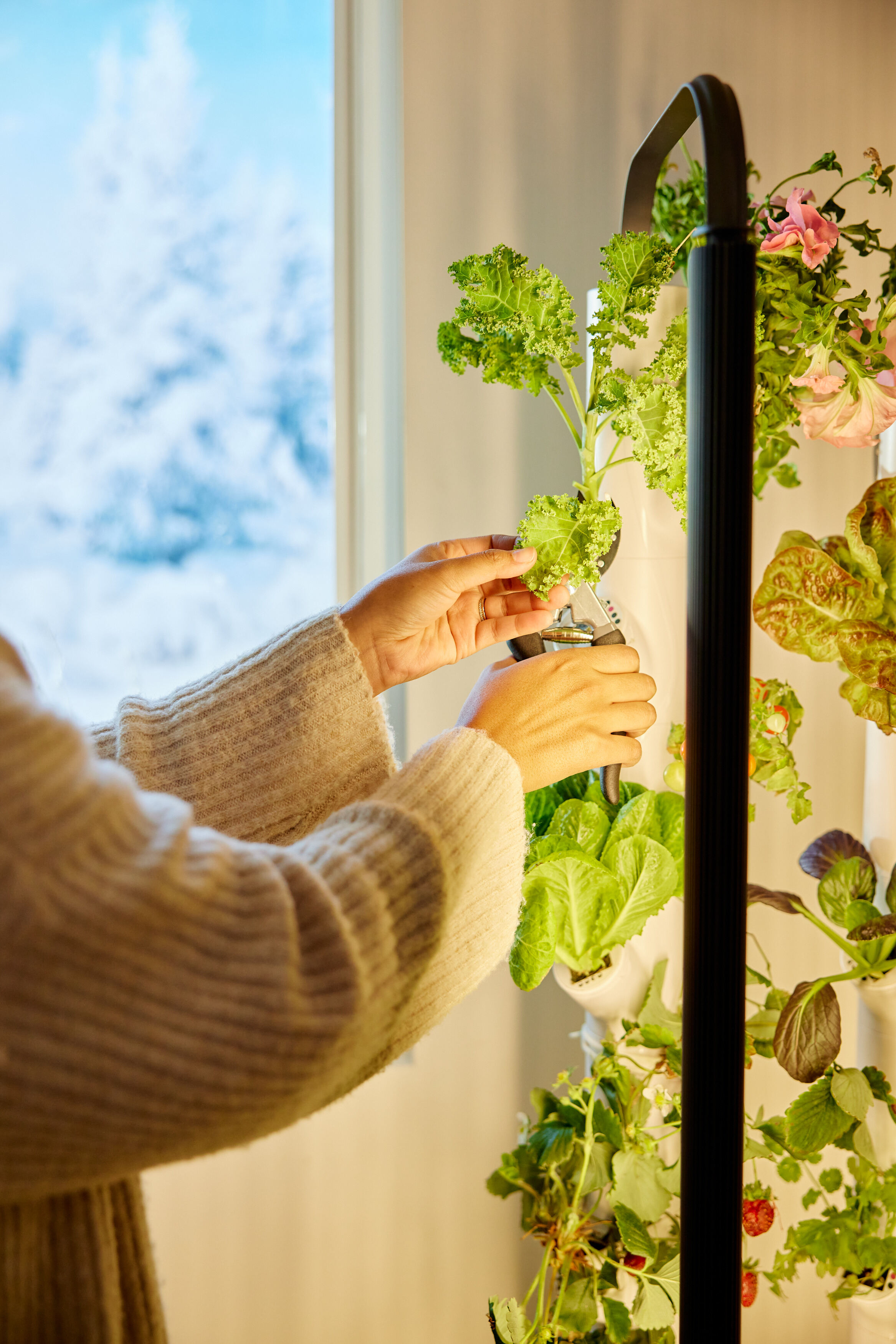
Biological Optimization: The Next Steps
Starting seeds is just the first chemical reaction in a long chain of events. To make sure your 100 plants thrive, here are three proven tweaks:
- Soak tough seeds: For seeds with thick coats (like okra or lupines), soak in water for 24 hours before planting. This gets them started faster! (Here’s a fun seed starting experiment to do with kids.)
- Cold stratify when needed: Some crops (especially in Zones 1–5) need time in the fridge before they sprout outdoors—try 1–4 weeks in a bagged, slightly damp paper towel for perennials or tiny wildflower seeds.
- Try hydroponics if needed: If your garden season is short (like northern zones), check out hydroponics for kids. You really can grow many of these 100 plants year-round indoors.
Why Technical Accuracy Matters for Families
At Tierney Family Farms, we treat gardening as a rigorous educational discipline. When we teach kids the difference between a Phaseolus vulgaris and a Pisum sativum, we are teaching them to observe the world with precision. This precision translates to better food security at home and a deeper appreciation for the complex systems that sustain life.
Whether you are in the tundra of Zone 1 or the tropical heat of Zone 13, this chronology is your blueprint. Use it to build a garden that feeds the body and a hobby that builds the mind.
References:
- USDA Plant Hardiness Zone Map.
- The Biology of Horticulture: An Introductory Textbook.
- Tierney Family Farms Technical Database.